MarkTechPost
AI news source. Articles are auto-selected and adapted by Hamidun News editors.
Latest publications

Meta introduced Autodata — an agentic system for creating high-quality training data
Meta introduced Autodata — a framework in which LLM agents collect, verify, and improve training data themselves so that more capable models learn from more complex and precise examples.
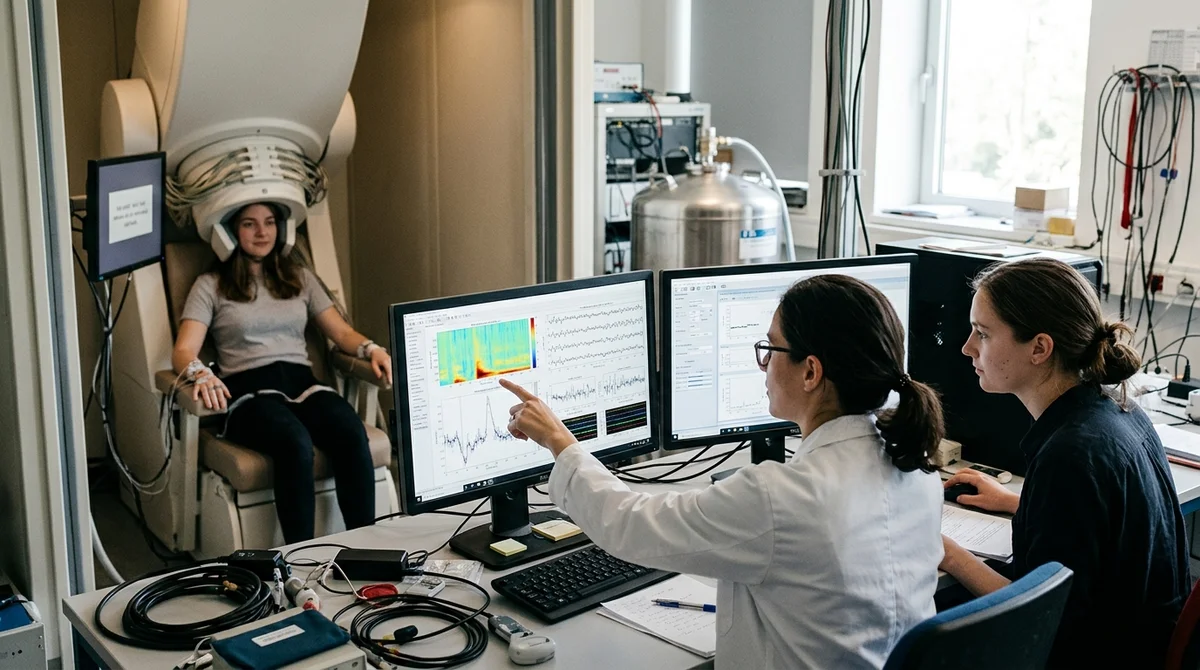
NeuralSet and deep learning: decoding linguistic features from MEG brain signals
A new breakdown from NeuralSet shows how to turn raw MEG signals into a model that predicts linguistic features, including word length, directly from brain activity.

Microsoft OpenMementos: how to work with context compression and model training data
A step-by-step breakdown of the Microsoft OpenMementos dataset shows how to stream reasoning traces, parse blocks and mementos, measure context compression, and prepare data for fine-tuning.
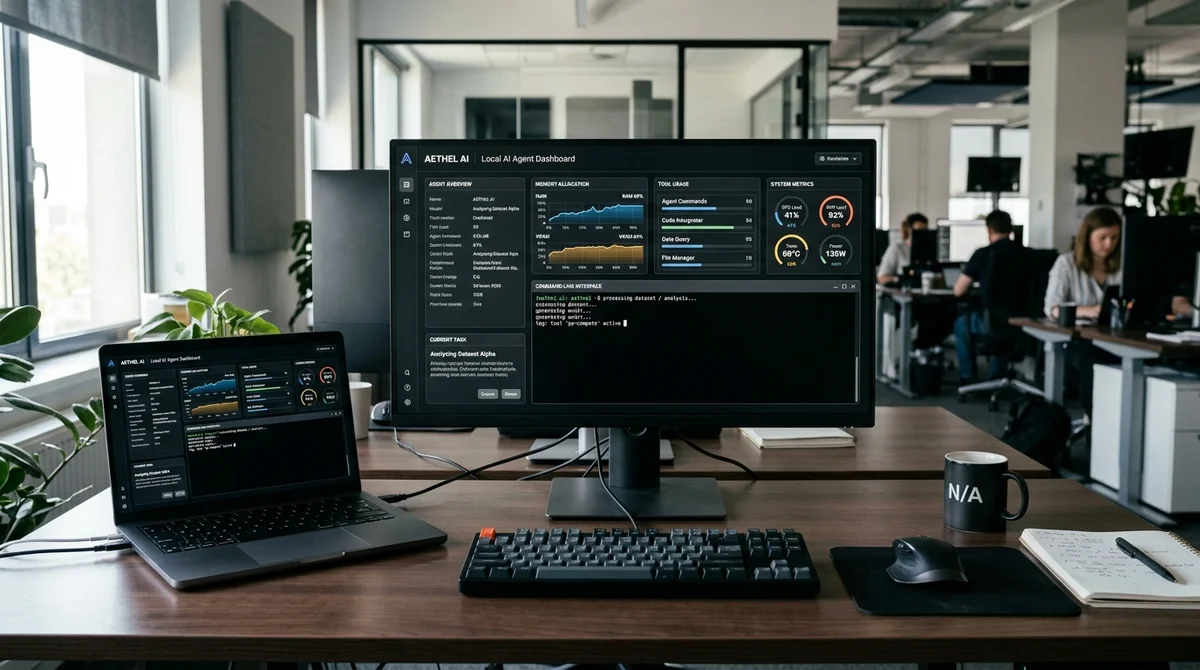
Stanford introduced OpenJarvis — a local AI agent stack with memory and learning
Stanford introduced OpenJarvis — a platform for personal AI agents that run directly on-device, use memory and tools, and learn from local data.
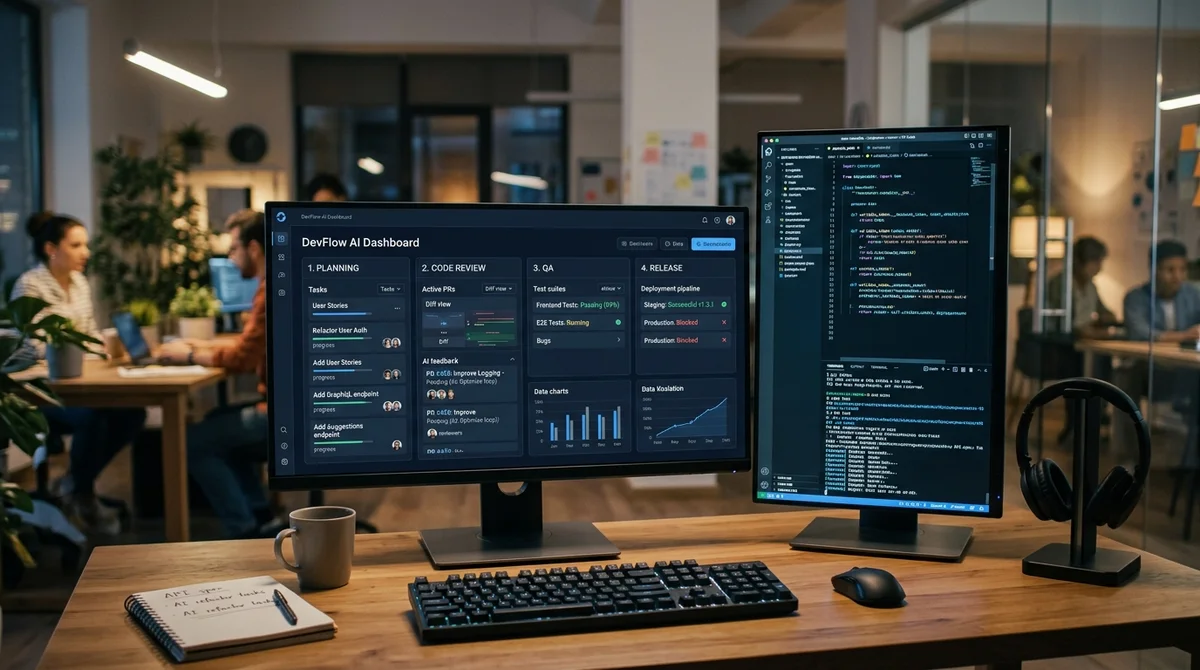
Harry Tan released gstack — a workflow system for Claude Code with QA, review, and release
Harry Tan open-sourced gstack — a set of modes for Claude Code that separates planning, review, QA, and release into distinct commands and adds a persistent browser.

Zhipu AI releases GLM-OCR, a compact 0.9-billion-parameter OCR model for documents
Zhipu AI and Tsinghua University introduced GLM-OCR, a 0.9-billion-parameter multimodal OCR model that parses complex documents, tables, and formulas without relying on massive scale.

LangChain released Deep Agents for multi-step AI agents with memory and isolation
LangChain released Deep Agents, a library for AI agents that need planning, long-term memory, file context, and subagent isolation in long-running tasks.

IBM released Granite 4.0 1B Speech — a compact multilingual speech model for edge AI
IBM introduced Granite 4.0 1B Speech, a lightweight model for speech recognition and translation designed for rapid deployment in enterprise and edge scenarios with limited resources.
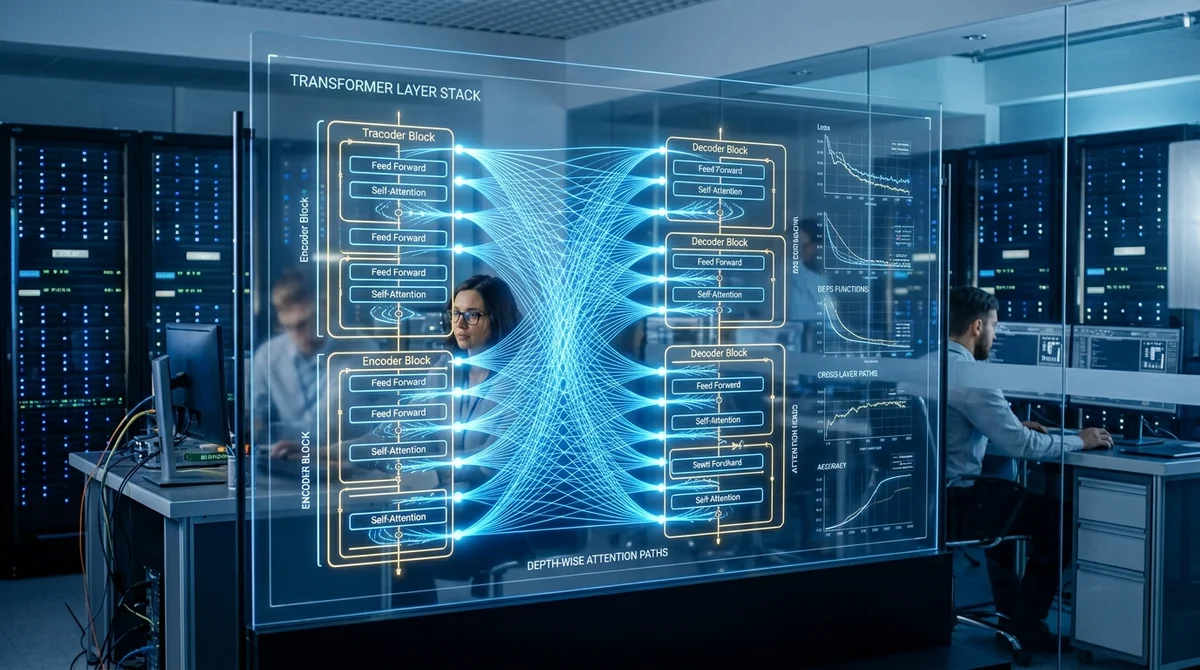
Moonshot AI presented Attention Residuals — an alternative to residual connections in transformers
Moonshot AI proposed Attention Residuals, a replacement for standard residual connections in transformers, where a layer itself selects useful signals through attention over the network depth.

Mistral released Small 4 — a 119-billion-parameter MoE model for reasoning, code, and multimodality
The new Mistral Small 4 combines instruct, reasoning, code, and image handling in a single open-source 119-billion-parameter MoE model with a 256k context window.
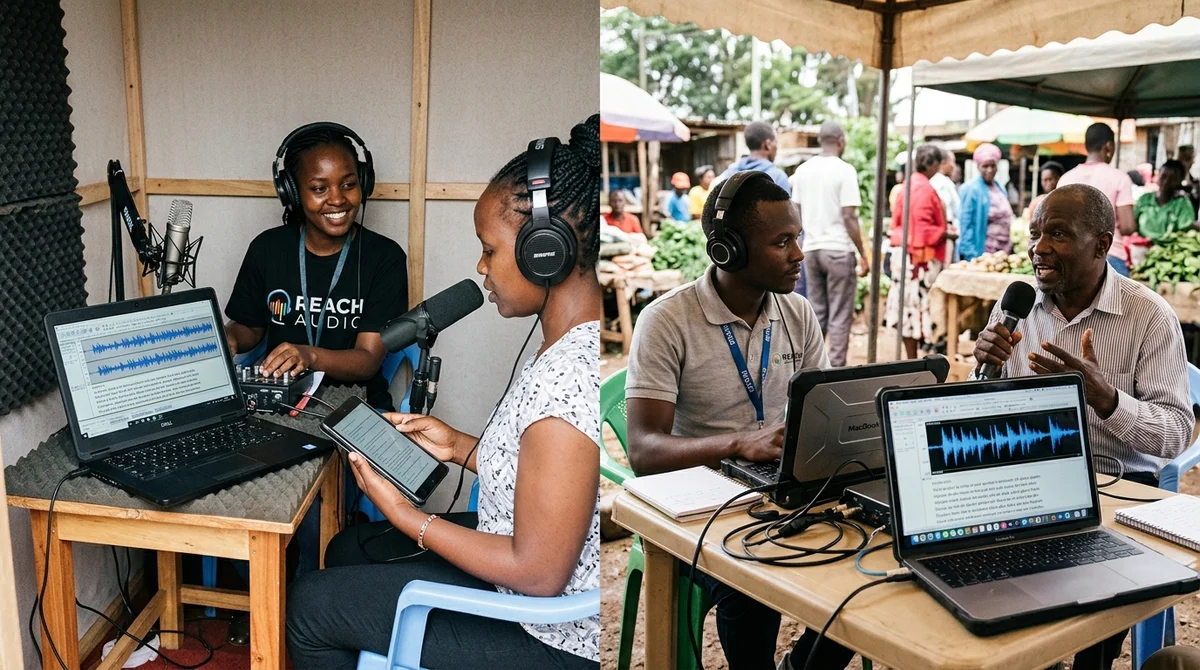
Google released WAXAL, an open speech dataset for African languages
Google made WAXAL public, a large speech corpus for African languages that should speed up speech recognition and synthesis where open data has long been critically scarce.

Nvidia open-sourced OpenShell, a secure environment for autonomous AI agents
Nvidia has released OpenShell as open source: an environment with sandboxes, access policies and private routing so autonomous AI agents can work with code and the network more safely.
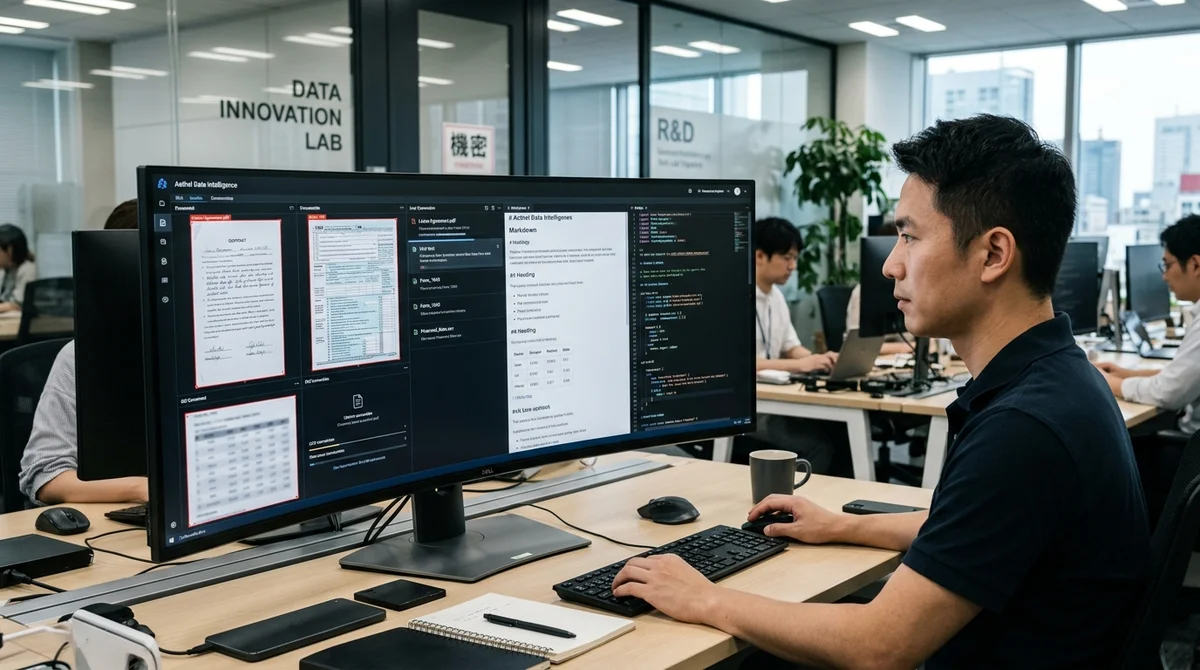
Baidu releases Qianfan-OCR — a 4B model for document recognition and understanding
Baidu unveiled Qianfan-OCR, a single 4B model that parses document structure, recognizes text, and extracts tables or answers questions on request.

MarkTechPost showed how to build an LLM system with self-evaluation, confidence, and web search
MarkTechPost presented a practical uncertainty-aware LLM setup: the model first answers and estimates its confidence, then checks itself and triggers web search when uncertain.
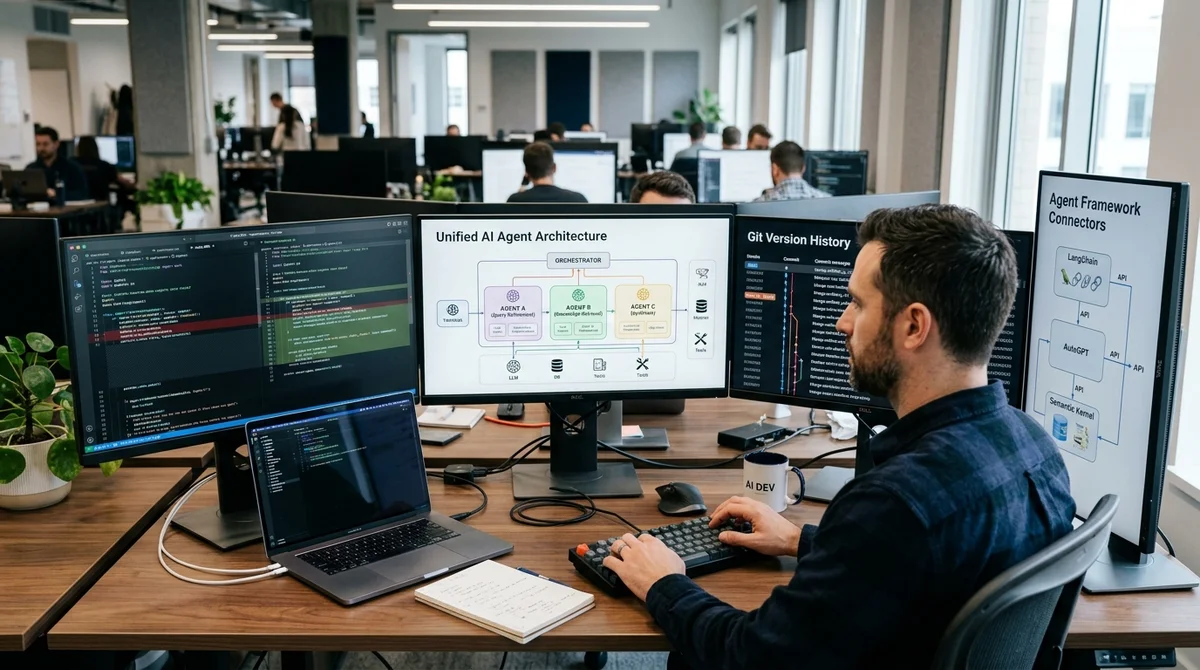
GitAgent offers a unified AI agent format for LangChain, AutoGen, and Claude Code
GitAgent proposes storing an AI agent's logic, memory, and rules in a Git repository, then exporting the same agent to LangChain, AutoGen, Claude Code, and other environments.

Google releases colab-mcp: how agents automate Colab notebooks in production
Google unveiled an open-source colab-mcp server for managing Colab notebooks via MCP: agents can add cells, execute code, and build resilient workflows without manual routine.

Yann LeCun Presents LeWorldModel — JEPA Model Without Representation Collapse from Pixels
Yann LeCun's team unveiled LeWorldModel — a world model that learns directly from pixels with two loss functions, avoids representation collapse, and plans up to 48 times faster than alternatives.

HKUDS Detailed OpenSpace — Self-Evolving Skill Engine for AI Agents
HKUDS demonstrated how OpenSpace transforms AI agents into self-learning systems: the engine preserves skills after each task, reuses them, and significantly reduces token consumption.
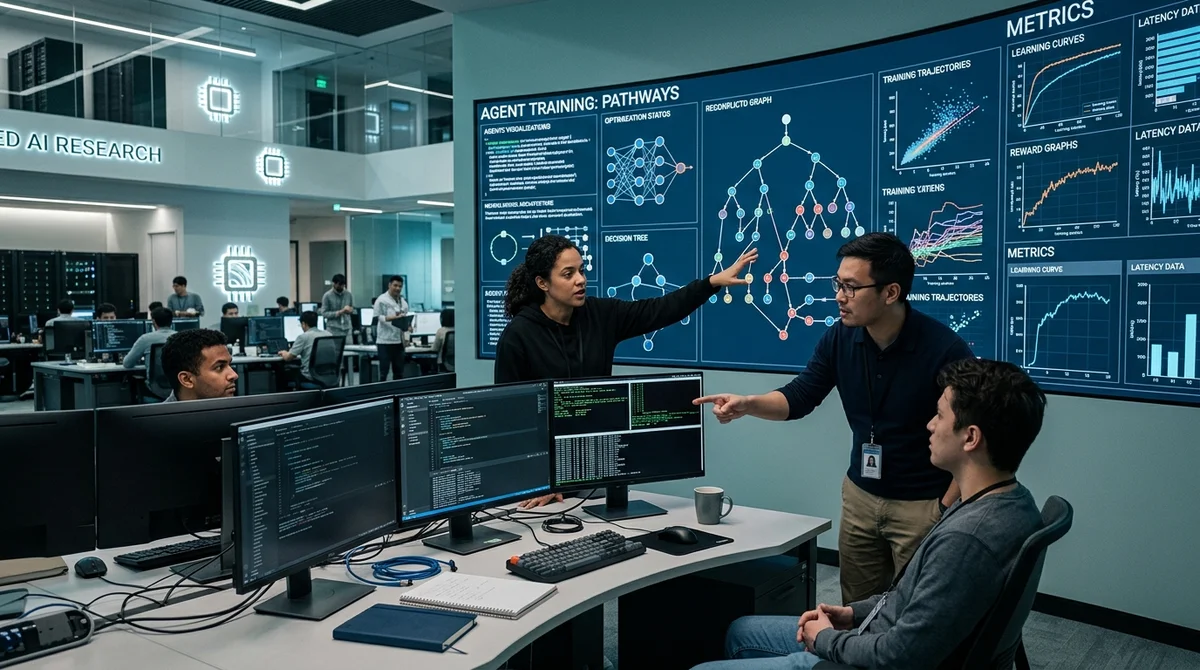
Nvidia introduced PivotRL — a framework for AI agents with 4x savings in rollout steps
Nvidia showed PivotRL — an approach to fine-tuning AI agents that preserves quality outside the training domain and achieves comparable accuracy to E2E RL with four times fewer rollout steps.
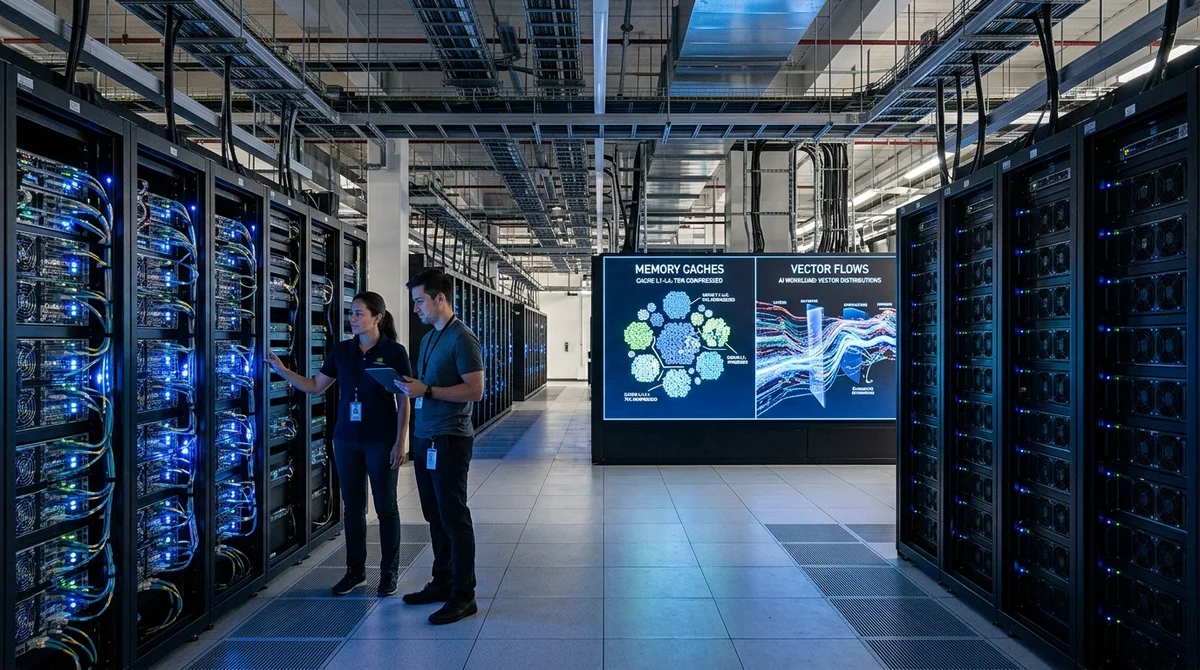
Google Introduces TurboQuant: 6x KV-cache Compression for LLMs Without Accuracy Loss
Google Research unveiled TurboQuant — an algorithm that compresses the KV-cache of large language models by at least six times and accelerates attention computation up to 8x without quality degradation.

MolmoWeb-4B by Ai2: A Web Agent That Sees Websites Like Humans, Without HTML Parsing
Ai2 released MolmoWeb-4B — an open-source multimodal web agent that controls a browser using only screenshots, without access to HTML or DOM trees.
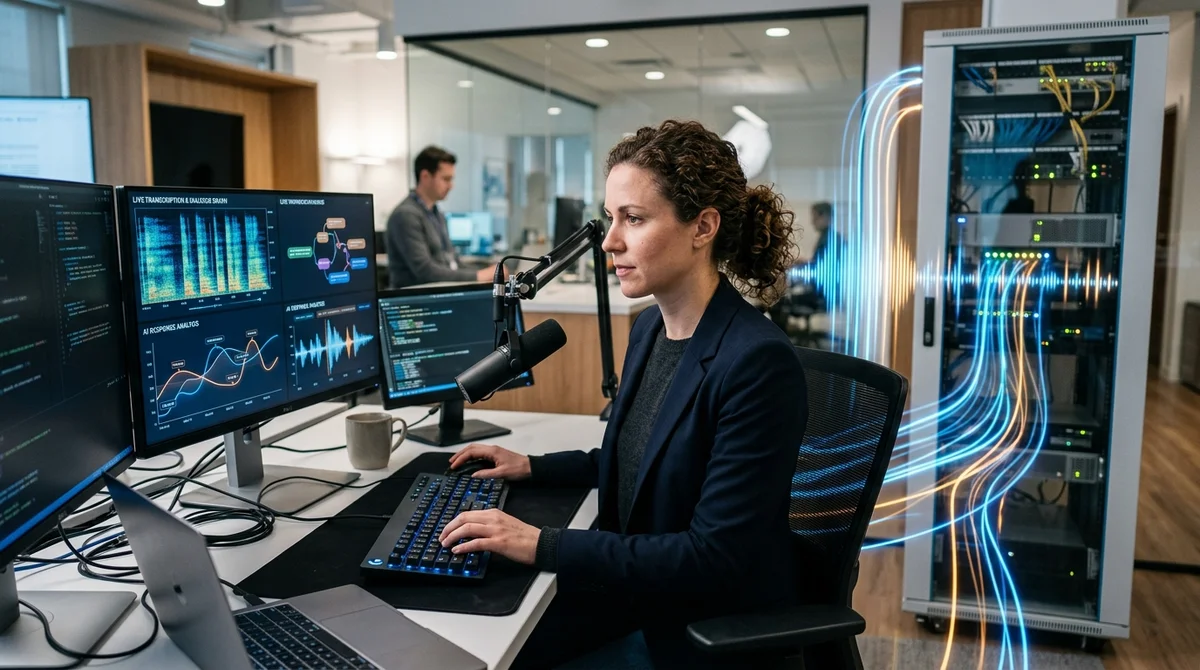
Tencent Releases Covo-Audio — 7B Model for Voice Dialogs and Audio Reasoning
Tencent AI Lab has open-sourced Covo-Audio — a 7B audio model that accepts continuous speech, responds with voice, and targets real-time dialogs and reasoning.

Qwen3.5: Running Reasoning-Models in GGUF and 4-Bit Format via Colab
A Colab pipeline is presented for running Qwen3.5 reasoning-models, distilled in Claude style: with one setting you can switch between the 27B GGUF and a lightweight 2B 4-bit version.
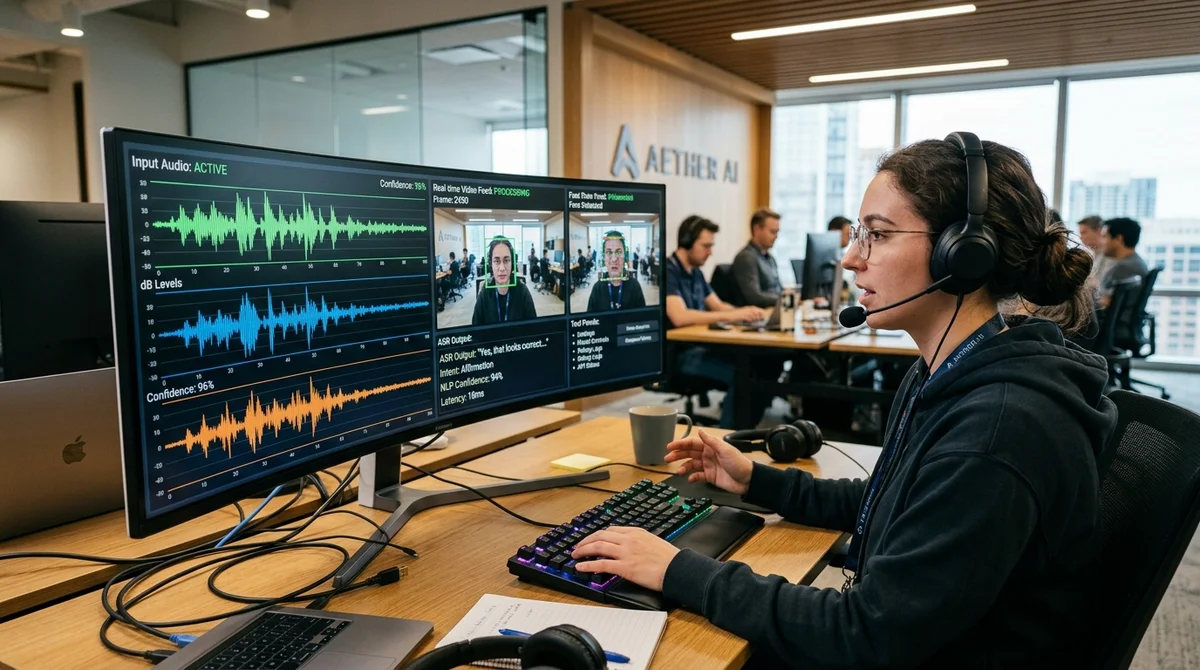
Google Releases Gemini 3.1 Flash Live for Voice AI Agents and Multimodal Dialogue
Google opened preview access to Gemini 3.1 Flash Live — a model for voice and visual AI agents with low latency, tool support, and more natural dialogue.

IWE and OpenAI: How to Turn Markdown Notes into a Knowledge Graph for AI Agents
Using IWE as an example, we showed how to build a local knowledge graph from markdown, connect OpenAI function calling, and construct an agentic RAG with relationship traversal between notes.
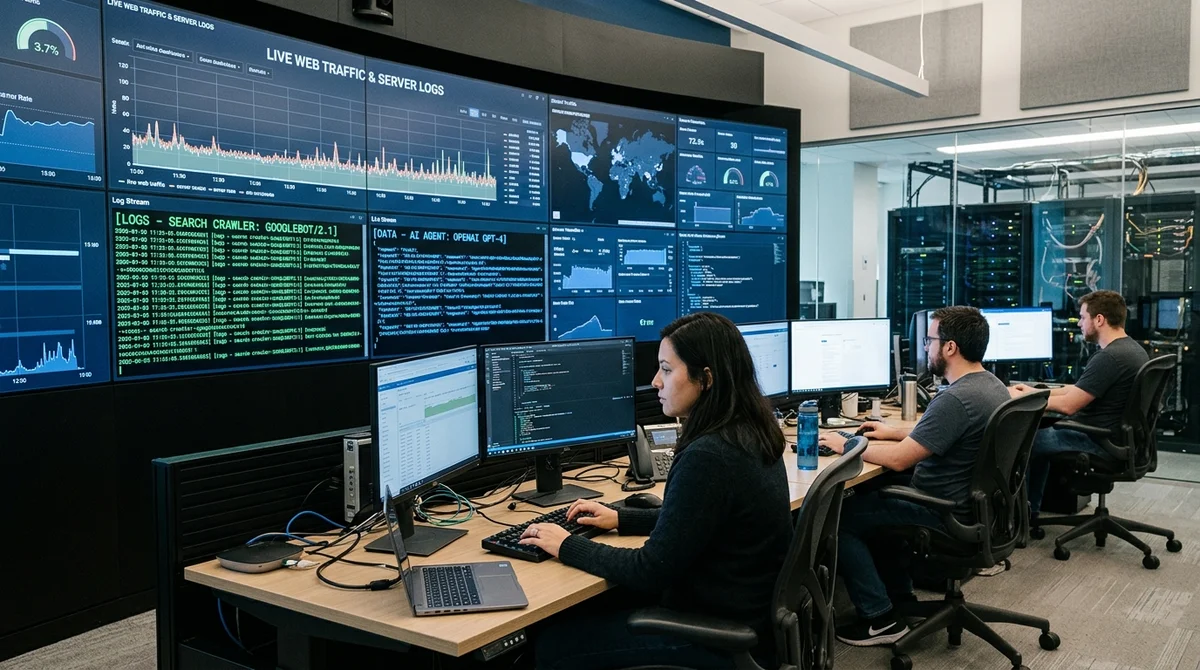
Google explained the difference between Google-Agent and Googlebot for AI access and indexing
Google described how the new Google-Agent differs from Googlebot: the first performs actions on sites at user request, the second automatically crawls the web for indexing.

Amazon-affiliated researchers presented A-Evolve for automatic evolution of AI agents
Researchers affiliated with Amazon presented A-Evolve — a system that automates AI agent development and replaces manual tuning with state evolution and self-correction.

Agent-Infra Introduces AIO Sandbox — Unified Environment for AI Agents with Browser and Shell
Agent-Infra released open-source AIO Sandbox — a containerized environment where browser, shell, shared file layer, and MCP are integrated in a single runtime for AI agents.
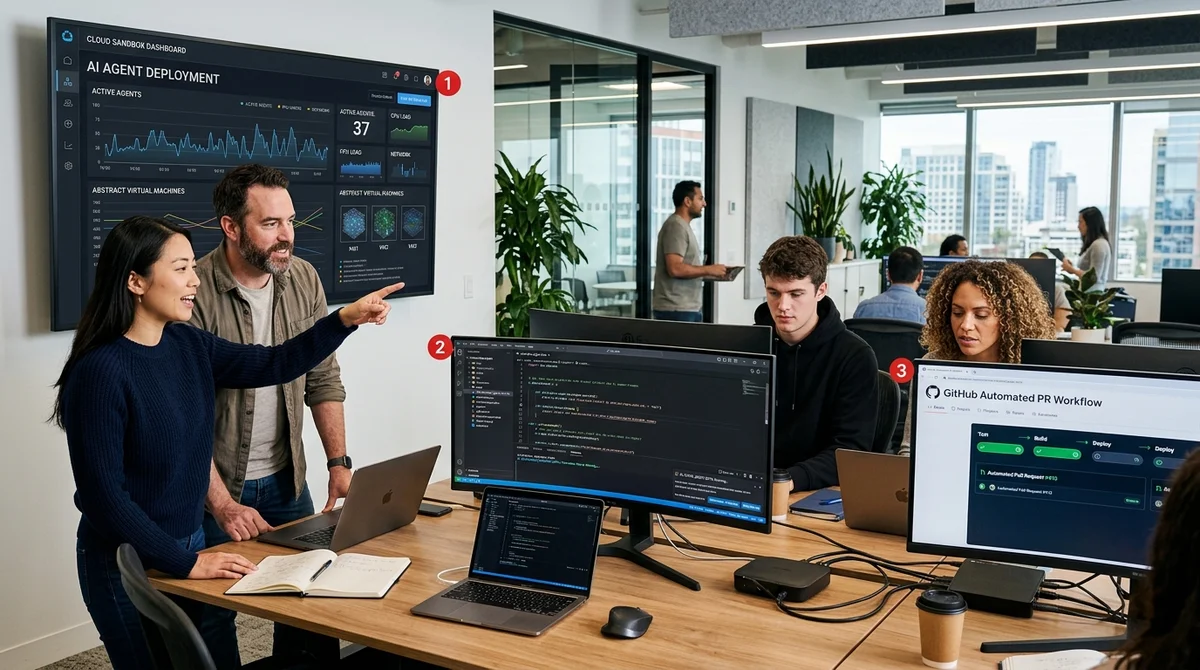
Cursor releases TypeScript SDK for coding agents with cloud sandboxes and token-based pricing
Cursor has opened the public beta of its TypeScript SDK: developers can now run coding agents locally, in the cloud, or on their own workers—with sandboxed VMs, subagents, hooks, and token-based billing.

Alibaba Releases Qwen3.5-Omni — Native Multimodal Model for Text, Audio, and Video
Alibaba has unveiled Qwen3.5-Omni — a native omnimodal model that understands text, images, audio, and video in a single architecture and can respond with voice in real time.