Habr AI
AI news source. Articles are auto-selected and adapted by Hamidun News editors.
Latest publications
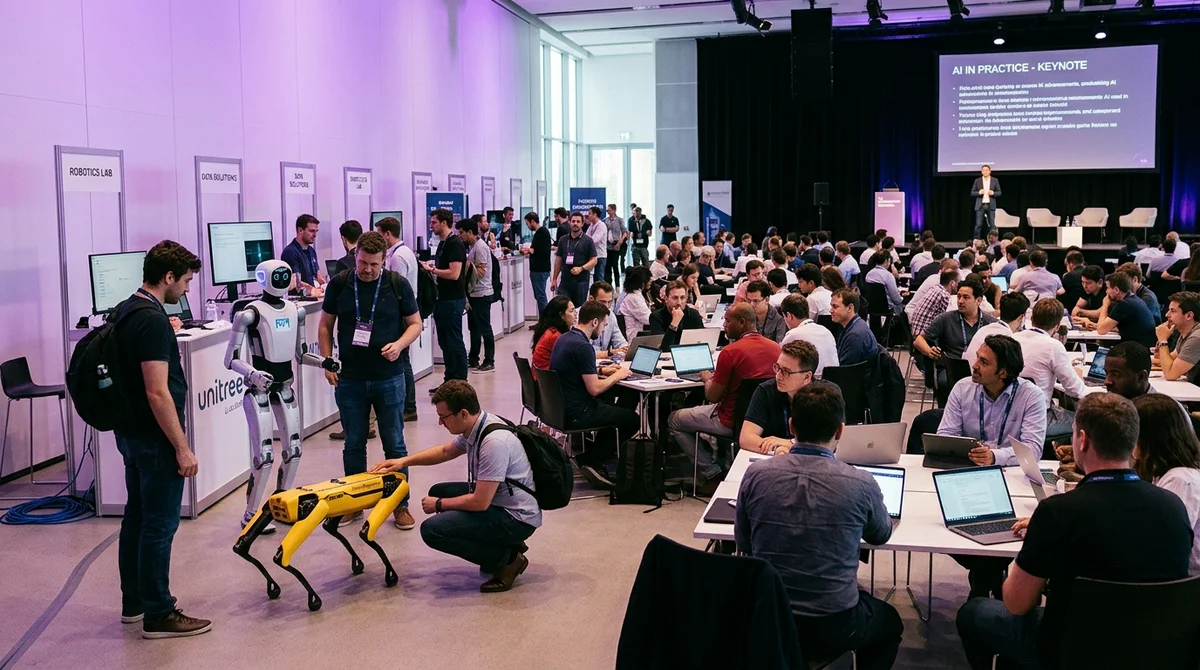
VTB opens Data Fusion 2026: robots, HiRAG, and a debate over applied AI
On the first day of VTB's Data Fusion 2026 at the Lomonosov cluster, the main themes were robots on site, HiRAG for VK Video, and the AI market's shift toward more practical use cases.

Surf’s Head of Frontend built a game with AI without animation experience — and nearly broke down
Andrey Makar-Uvarov of Surf tested a hypothesis: how much AI helps in an unfamiliar domain. He took on creating animation for an indie game — and got an honest lesson in the limits of vibe coding.
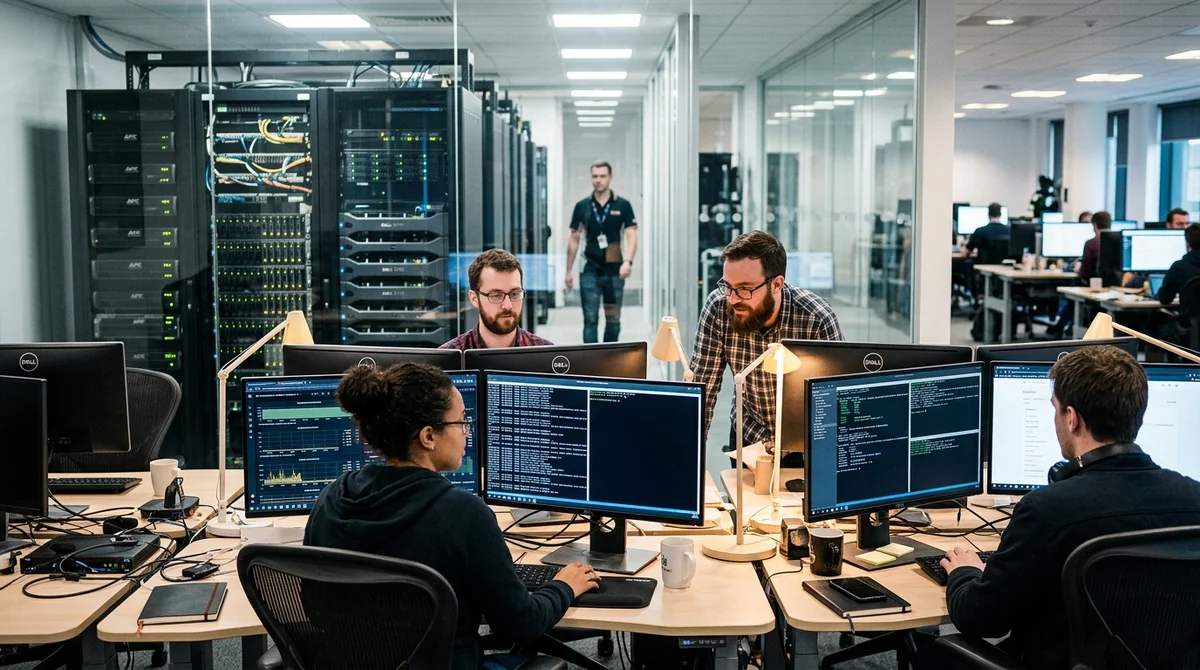
OpenClaw in production: Docker, Kubernetes, and fault tolerance under peak loads
How to scale OpenClaw for real-world load: containerization in Docker, a fault-tolerant Kubernetes cluster, and stateful storage to synchronize state between instances.

Habr AI showed how the virtual camera for Shorts and Reels with face tracking works
Habr AI broke down the virtual camera algorithm that turns horizontal video into a vertical format, keeps a face in frame, and smooths out jerks like a human camera operator.

Koda updated koda-cli 0.3.1: the assistant can now be integrated into a development environment
In koda-cli 0.3.1, Koda enhanced support for Agent Client Protocol so developers can launch and use the AI assistant directly inside the interface of a compatible development environment.

Habr AI explained why ChatGPT shouldn't write a business's technical specification for AI implementation
A ChatGPT-generated technical specification for AI implementation may look professional, but miss business context and data risks while blurring the criteria for choosing a contractor.
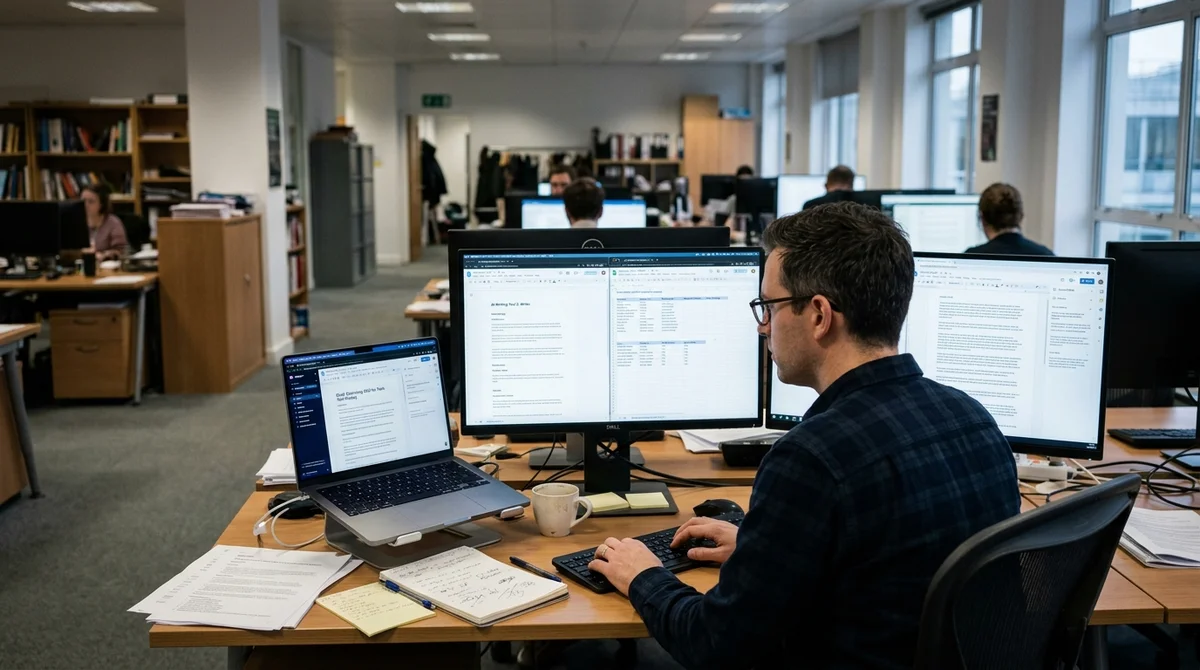
Habr AI and BotHub compiled 11 AI tools for text generation with a focus on Russian
In a new roundup, Habr AI listed 11 text-generation services — from BotHub and GigaChat to Copy AI — with an emphasis on Russian-language use cases, templates, and trial plans.
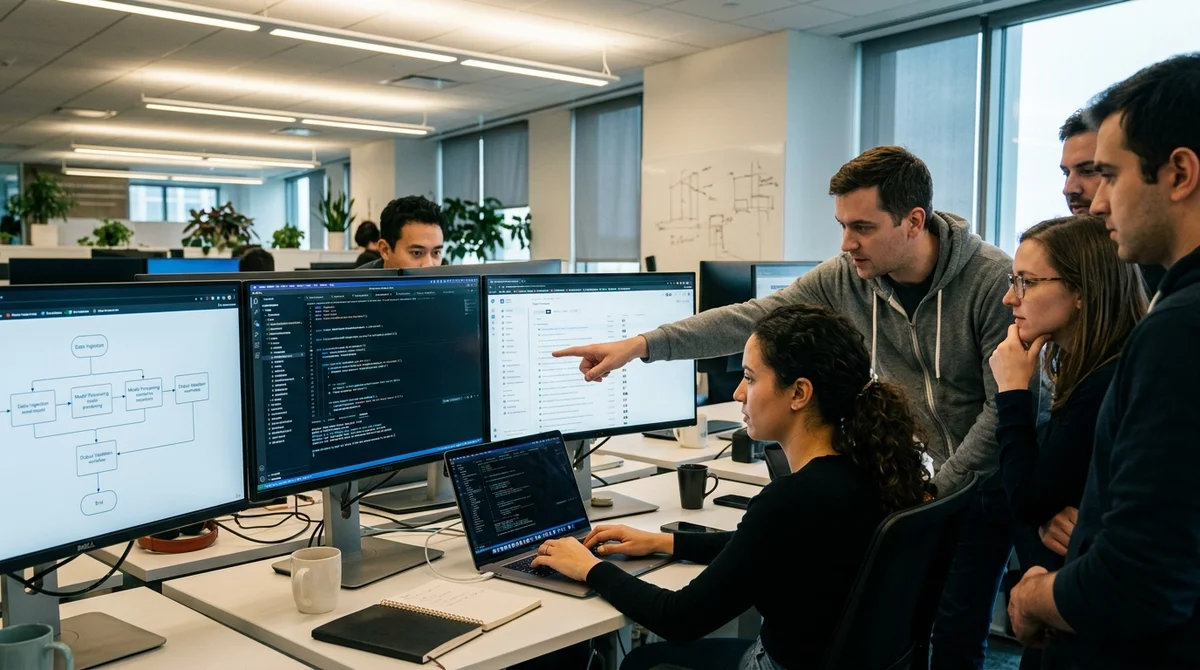
LangChain introduced Deep Agents — a layer on top of LangGraph for long-running and complex tasks
LangChain released Deep Agents, a Python library on top of LangGraph that adds planning, subagents, a file system, and memory, so developers do not have to assemble complex AI agents by hand.

Habr AI: how fear of AI-driven job loss is becoming a strategy for professionals to adapt
Habr has published a column on how fear of losing one’s profession to AI is giving way to practice: neural networks help with routine tasks, planning, and professional reorientation.

Sinimex presented an AI coach for enterprise sales with document-based verification
Sinimex described a prototype AI coach for enterprise sales managers: it conducts a negotiation dialogue, checks talking points against documents, and has already recorded 7 successful tests out of 8.
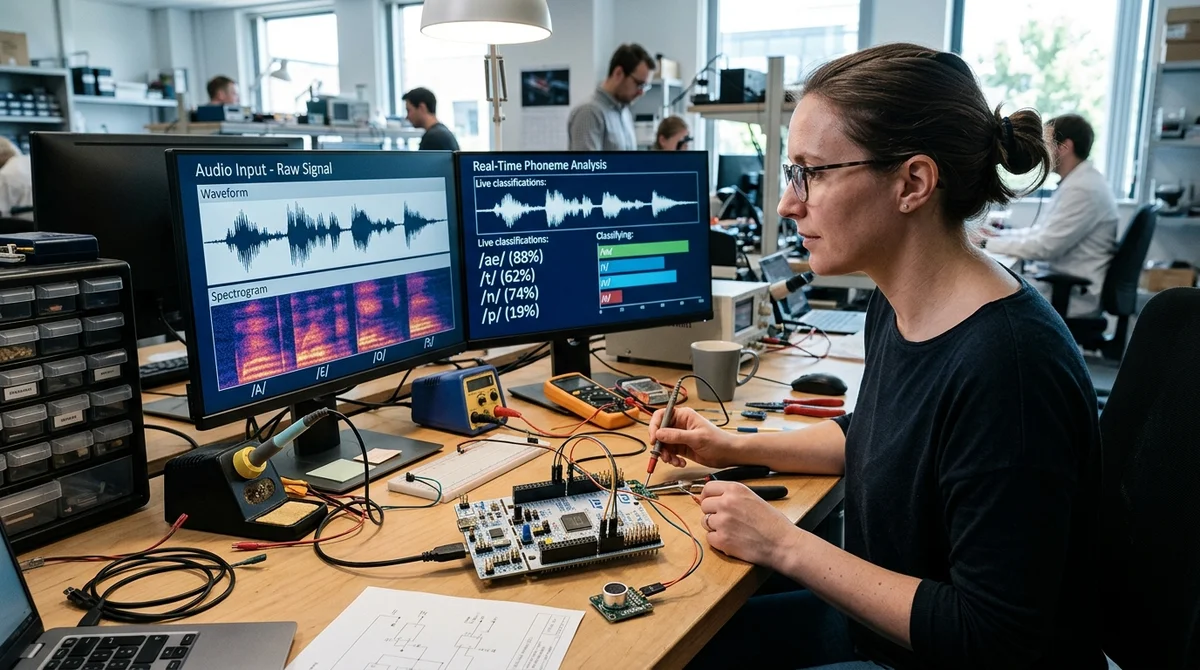
STMicroelectronics' STM32N6 demonstrated on-device speech recognition without the cloud at 0.2 W
An experiment on the STM32N6 with an integrated NPU showed that the microcontroller can recognize free-form speech locally, almost in real time, with power consumption of about 0.2 W.

DiffQuant optimizes the Sharpe ratio directly through a differentiable trading simulator
The open DiffQuant prototype closes the gap between ML proxy objectives and the real metric: the entire trading pipeline is assembled into a single graph, delivering Sharpe +1.73 and +1.15 on held-out data.
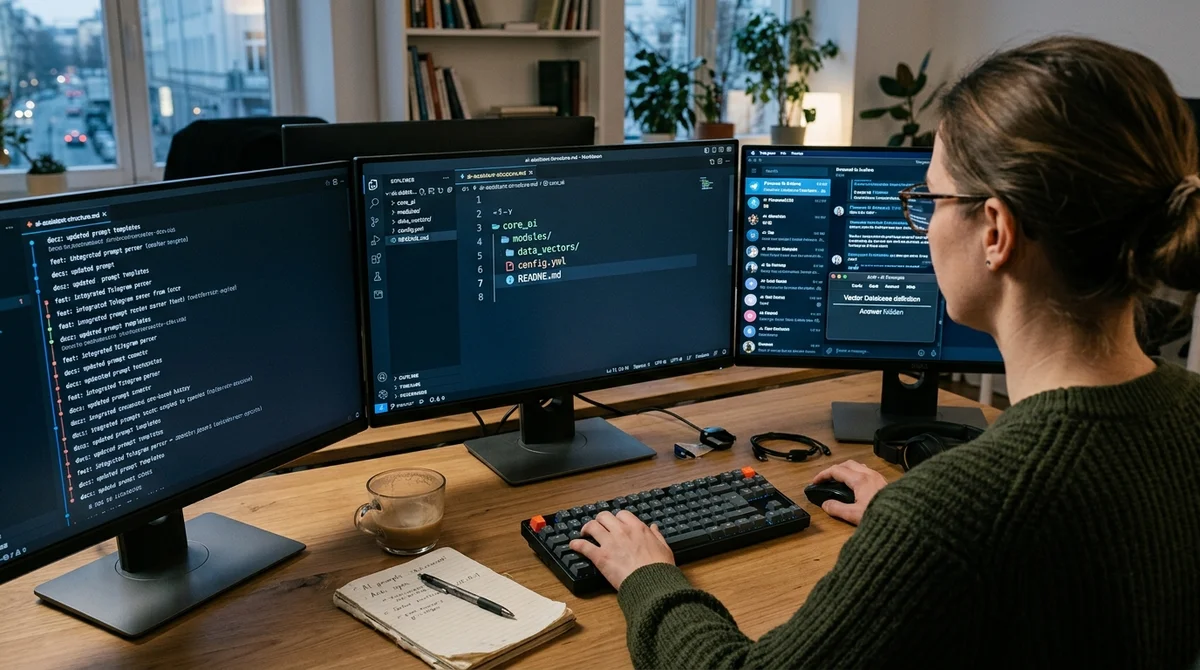
Codex Turned Into a Personal Assistant With Memory on Markdown, Git, and Telegram
Habr AI published a detailed breakdown of how Codex was turned into a personal assistant with long-term memory, roles, and automations without vector databases or complex RAG.

AvatarBox on HeyGen turns photos into talking videos right in Telegram in 2 minutes
Powered by HeyGen, AvatarBox turns a photo and text into a short video right in Telegram: you can choose a voice, frame format, emotions, and get a clip with auto-generated subtitles.
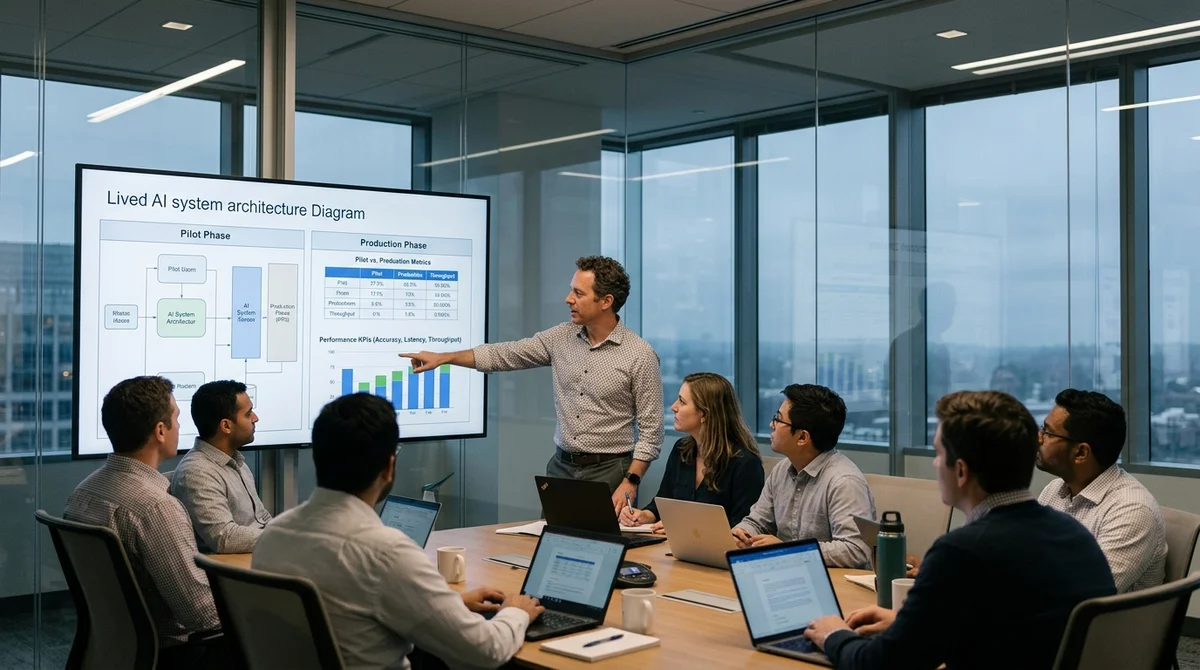
VTB explained why AI pilots stall before production and how architecture can fix it
At Data Fusion on April 8–9, VTB acknowledged that many AI projects do not make it to production deployment: the cause may be accumulating errors, and the solution is an architecture with a human in the loop.
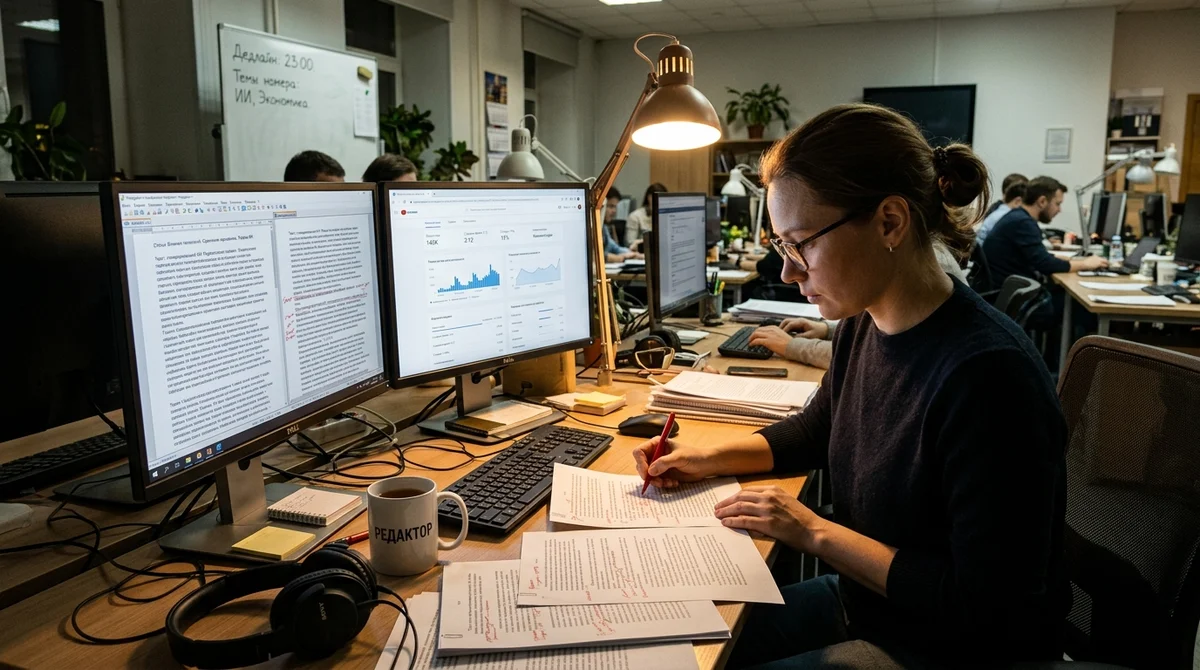
Why AI-generated texts annoy Habr readers and how to edit them manually
Habr AI published a column arguing that what bothers readers is not AI text itself, but its hollow confidence, formulaic structure, and lack of original thought — and how editing fixes that.

Singapore introduces AI in primary school, and Asia debates its benefits
After Singapore’s decision to introduce primary school students to AI, the debate shifted from the hype around education technology to whether such tools undermine memory, attention, and learning itself.

Five Free AI Image Generators: An Honest 2026 Test
We examine the five best free AI image generators in 2026: how they differ, where they break on complex tasks, and which one to choose for a specific use case.

OpenAI, Qwen and GigaChat: Why Choosing AI Models Is Getting Harder for Russian Business
The author examines how Russian businesses are being squeezed between OpenAI and Anthropic access restrictions, costly local inference, and the compromise of relying on fine-tuned Qwen models.
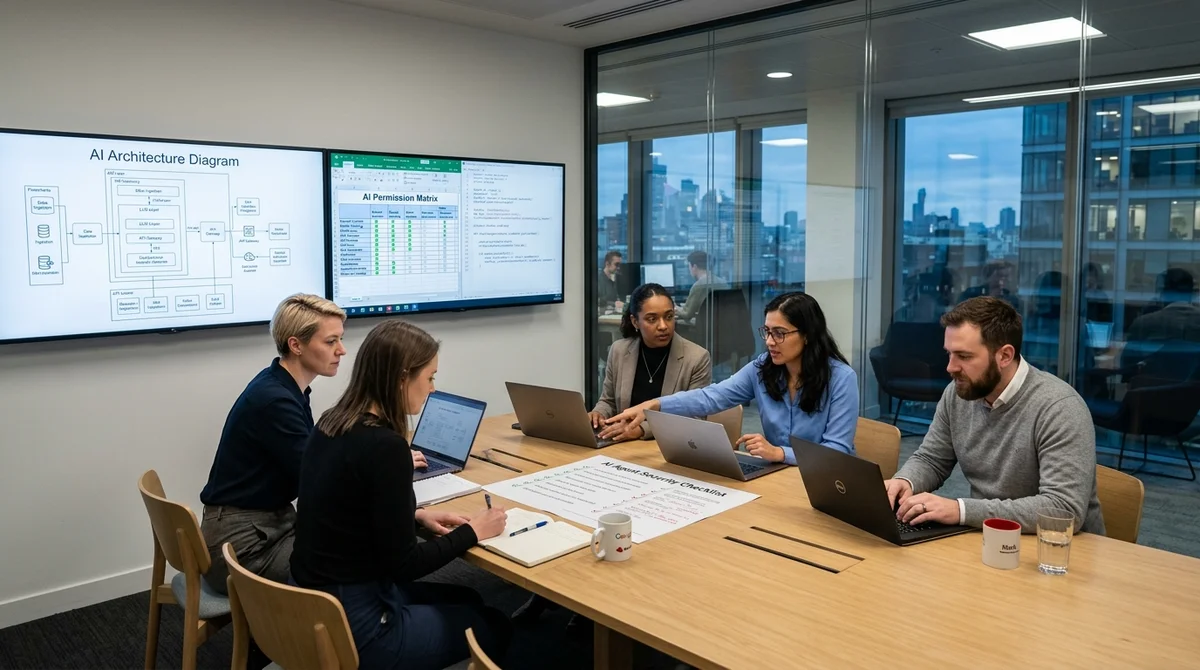
OWASP SAMM gains Agentic SAMM extension for secure development with AI agents
The Agentic SAMM project extends OWASP SAMM for AI agents: it adds controls for context, tool calls, trust in MCP servers, and the risk of long autonomous sessions.

Habr AI published the Rozitta Parser case study: how vibe coding eats up sleep and time
An architect with no development experience used DeepSeek, Claude and Gemini over six months to turn a Telegram parser into Rozitta Parser — and described how much sleep, money and personal time that kind of vibe coding

Senar: why AI agents do not replace programmers and are changing the development process
In the second part of the series on Senar, the author shows that an AI agent writes code quickly, but does not know how to doubt, remember the project context, or take responsibility for the consequences.
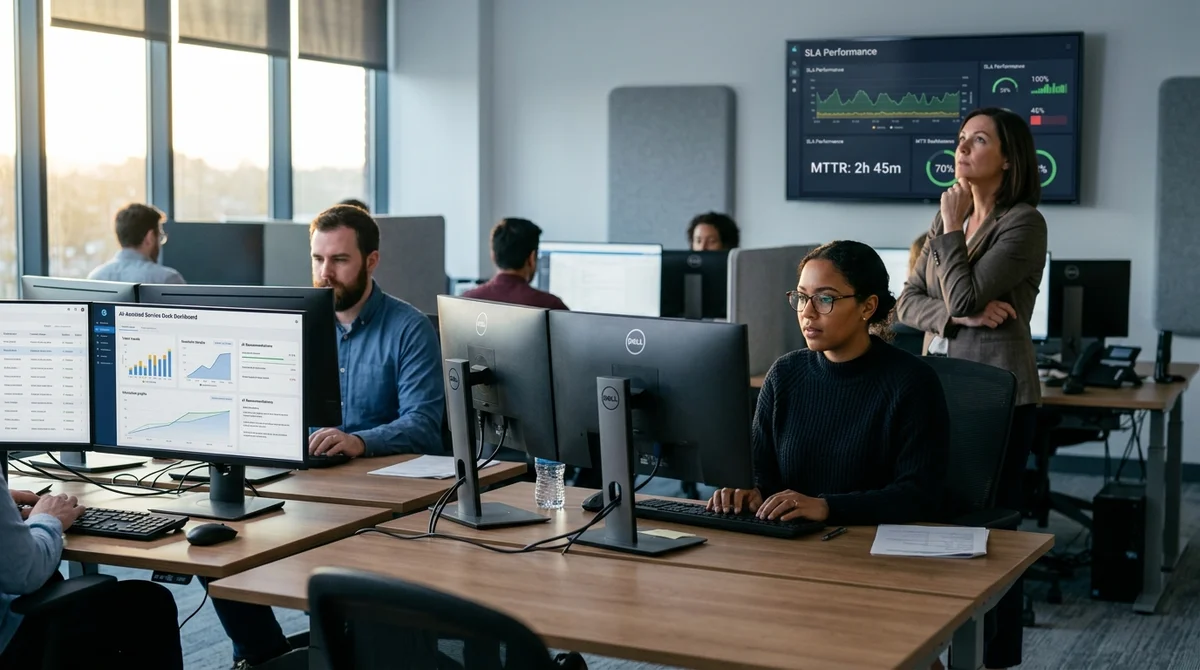
SimpleOne: AI in ITSM has become the corporate standard for support and service desk
SimpleOne described how companies are embedding AI into support: automating up to 80% of routine requests, speeding up SLA fulfillment, and keeping data within a secure perimeter.
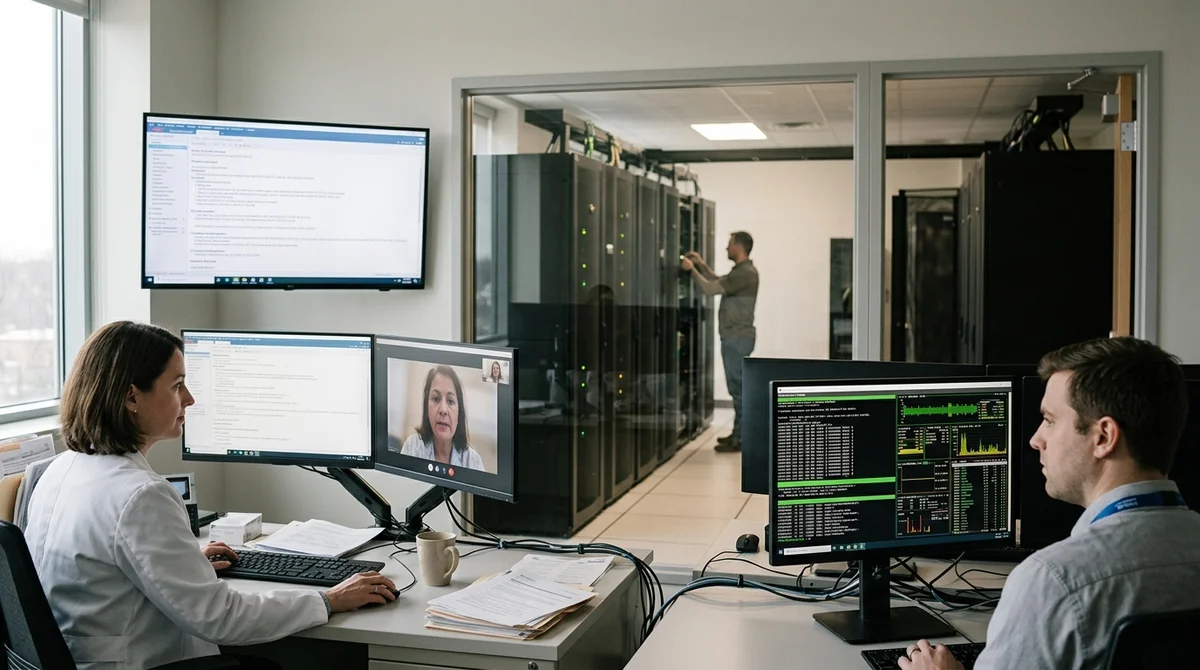
Jitsi Meet: why transcription for electronic medical records requires Jigasi and Vosk
The analysis showed that transcription in Jitsi Meet is built around Jigasi, XMPP/SIP, and external speech recognition, and that for electronic medical records this is not enough without LLM post-processing and manual re

Google, Tambo, and GenUI: three approaches to AI interfaces built on the fly
A breakdown of Generative UI shows when AI should not only respond with text, but also assemble an interface: from HTML generation to Google’s A2UI and prebuilt components in Tambo.

SimpleOne showed why Claude and AI reviewers can’t distinguish AI-generated code from human-written code
SimpleOne proposed a test built around pairs of functions in which even an AI reviewer could not reliably distinguish human-written code from generated code, and explained why the issue comes down to context rather than

Pyotr Tripolsky on Habr showed an AI agent for analyzing news and Bitcoin signals
Pyotr Tripolsky published on Habr a diagram of an AI agent that looks for recent market events, filters out noise, and issues a short-term BUY, SELL, or WAIT signal.

Major AI companies are driving up memory prices and changing the rules for the gaming industry
The AI data center boom has driven up memory and storage prices, raised the cost of PCs and consoles, and at the same time pushed game studios toward more aggressive automation.

Suno 5.5 improves voice copying and melody preservation in Cover mode
In the Suno 5.5 update, Your Voice now produces recognizable vocals, and pairing it with Cover makes it possible to carry over your own melody, but quality still depends heavily on the dataset, range, and style.

Alfa-Bank described “vibe leadership”: how AI took over routine work and accelerated the growth of the A-Token platform
A senior Alfa-Bank executive explained how the in-house AI AlfaGen automated technical documentation, saved millions, and freed product teams to focus on strategy and growth.