Zhemal Khamidun
Head of AI at Alpina Digital, CPO of AlpinaGPT (~30-person engineering & AI team). Founder of Vibe Academy & Hamidun Consulting, author of the AI channel «Готовим ИИшницу» (@jemal_hamidun).





Arm chip demand surges on AI: order volume doubles to $2 billion
Arm CEO Rene Haas reports an "explosion of demand" for the company's processors, driven by AI computing in data centers. In five weeks, Arm took in $2 billion in…

MNTN: TV Remains the Most Powerful Advertising Platform Despite the Rise of Streaming
MNTN CEO Mark Douglas is convinced television is not dying. Streaming opens TV advertising to new companies, and AI tools cut video production costs.

How I Built 4 MCP Servers and a Protocol to Connect Them
A developer wrote four MCP servers for Claude, created a protocol for them to talk to each other, and assembled an automation pipeline across Telegram and…


OBON Corp. and Nvidia's billions: how Thailand helped route servers to China around sanctions

OpenAI launches GPT-Realtime-2 and two more voice models in its API

TSMC revenue hits $13.1 billion in April on AI chip demand

Cloudflare to cut 20% of its workforce as it rebuilds around AI

Suno v5 in 2026: The AI Music Generator That Topped Yandex Music's Charts
In 2026, an AI track topped the Yandex Music and VK charts for the first time. We tested Suno v5 and its rivals to see whether a neural network can make music at a…

Claude blocks Russian IPs: how not to lose your AI project
Hundreds of Claude users lost their accounts when Russian IPs were blocked, and even VPNs didn't help. Here's how to protect your AI project from a sudden shutdown.

MELT-1: How Metabolic AI Tests Agents for Survival

Video Monitoring Instead of Transformation: Where to Start with AI in Construction

How Claude Code and ChatGPT Pull You Into Expensive Tiers, and the Multi-Agent Way Out

Prompt hubs: how companies turned prompts into managed assets


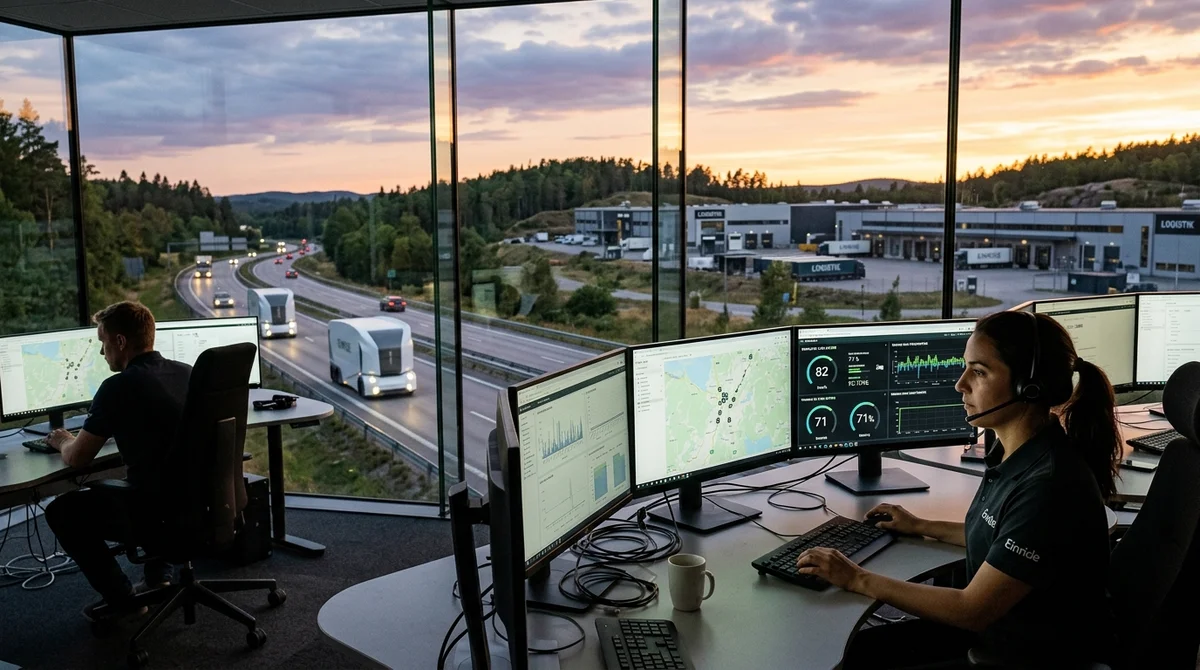


Waymo and Wayve launch robotaxis in London with opposing approaches
Waymo and Wayve began operating in London at the same time, with opposite strategies: one relies on sensors and digital maps, the other on scalable machine learning.

The C++ paradox: programmers use AI more, but still don't trust it
C++ developers increasingly use neural networks in their code, but remain critical of their reliability and insist on manually checking every auto-generated…