Google DeepMind
Google DeepMind is Alphabet's AI division, home of the Gemini model family, the Nobel-recognized AlphaFold and the Veo video generator. Through Google Search, Android and the cloud, its models reach billions of users. This page gathers all our coverage of Google and DeepMind: models, research and products.

Nvidia receives orders from China: Huang calls OpenClaw the next ChatGPT
Nvidia resumes H200 shipments to China despite restrictions. Jensen Huang called the Chinese AI product OpenClaw “the next ChatGPT” — shares of Chinese AI companies…

Gradient Ventures raised $220 million for its fifth seed fund for AI startups
Gradient Ventures has closed its fifth seed fund at $220 million and is doubling down on early-stage AI startups despite rising company valuations and debate over a…
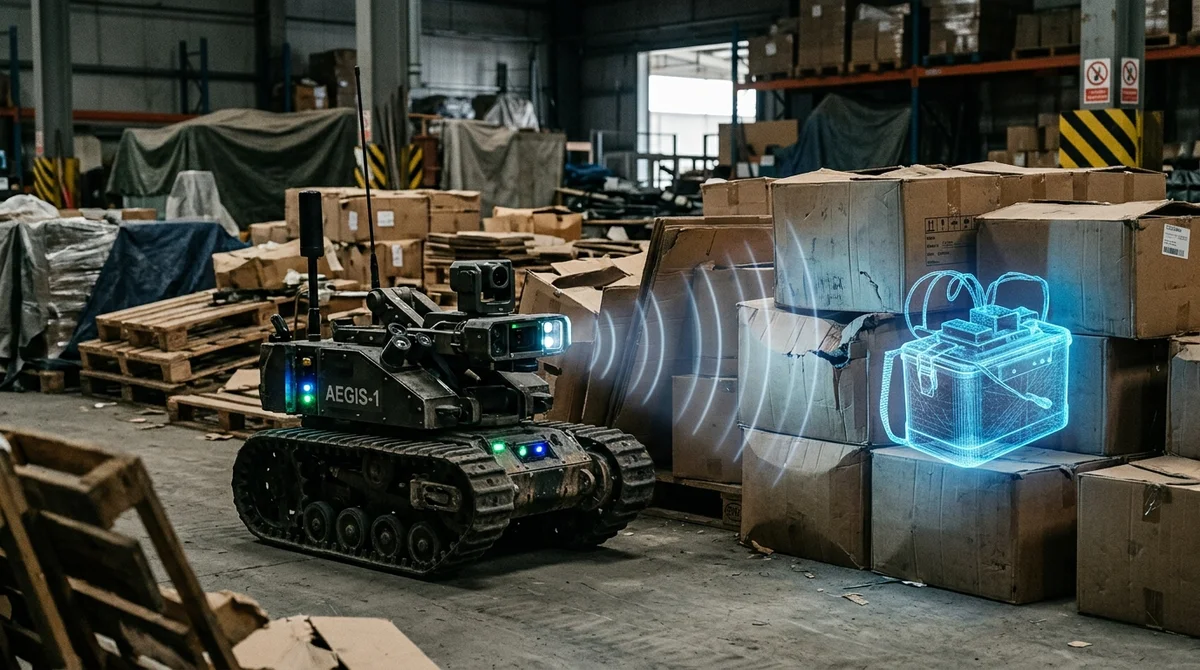
MIT Teaches Generative AI to Reconstruct Hidden Objects Using Wireless Signals
MIT researchers demonstrated a system where generative AI completes the shape of hidden objects and reconstructs rooms from wireless signal reflections.
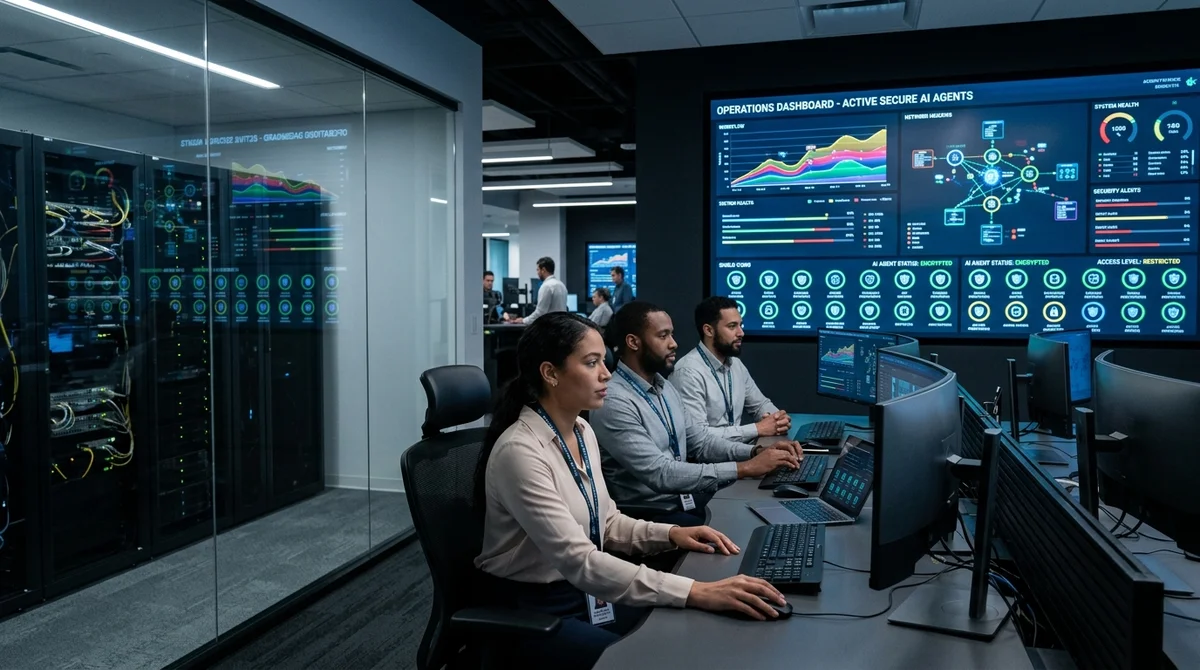

Goodfire releases Silico, a tool for debugging language models during training
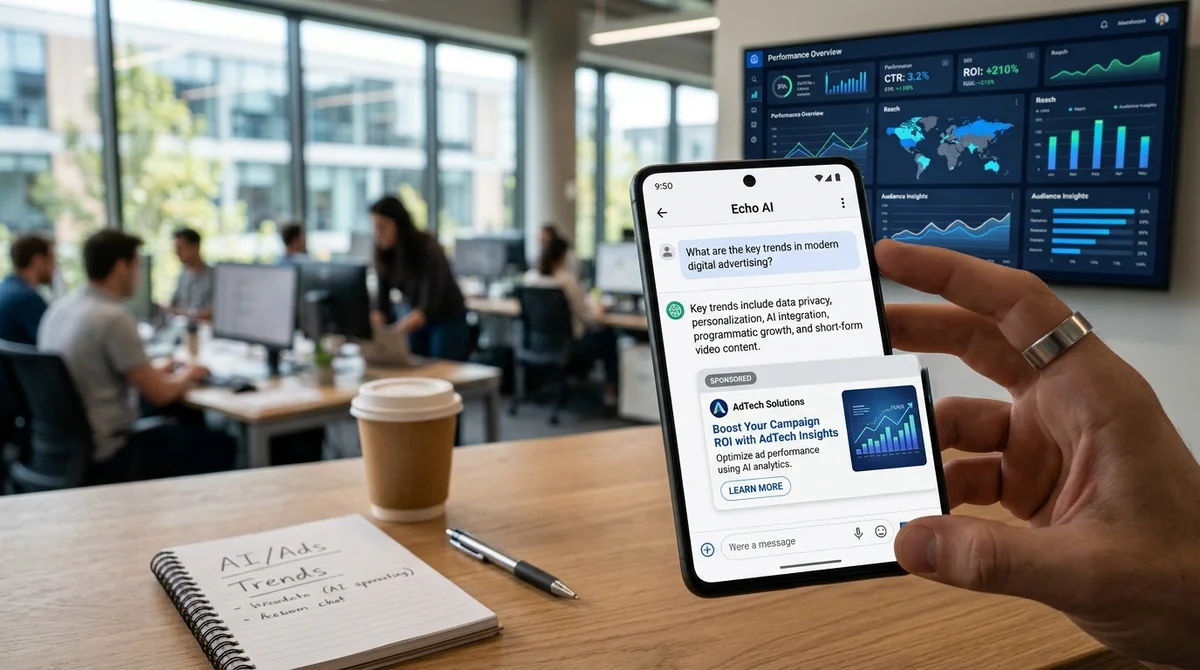
Google allowed ads in Gemini after previous commitments against advertising

Claude and Ollama helped an Ozon seller process certificates in a day and restore 1,000 SKUs

OpenAI gains freedom from Azure: Microsoft rewrites contract with key partner
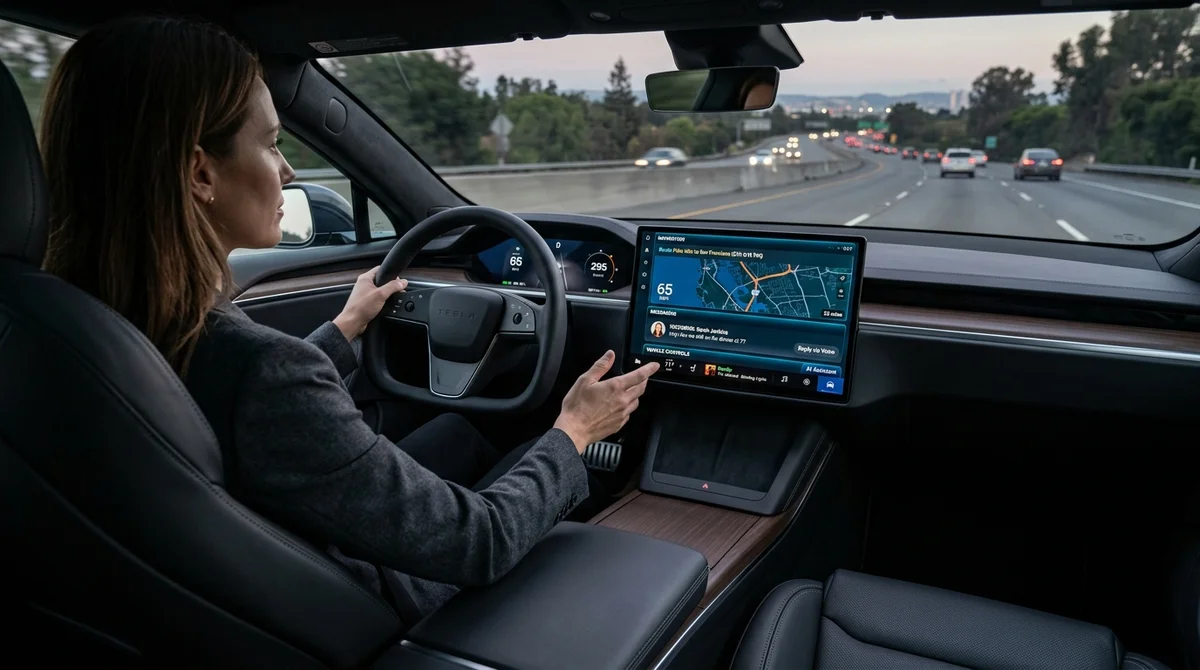
Google brings Gemini to cars with Google built-in and will update millions of vehicles
Google has started rolling out Gemini in cars with Google built-in: the assistant will replace Google Assistant, understand natural speech, and arrive not only in…

OpenAI is devoting its core resources to building a fully autonomous AI researcher
The company is restructuring its research agenda around an autonomous agent that will be able to conduct multi-day research on its own, with the first “AI intern”…
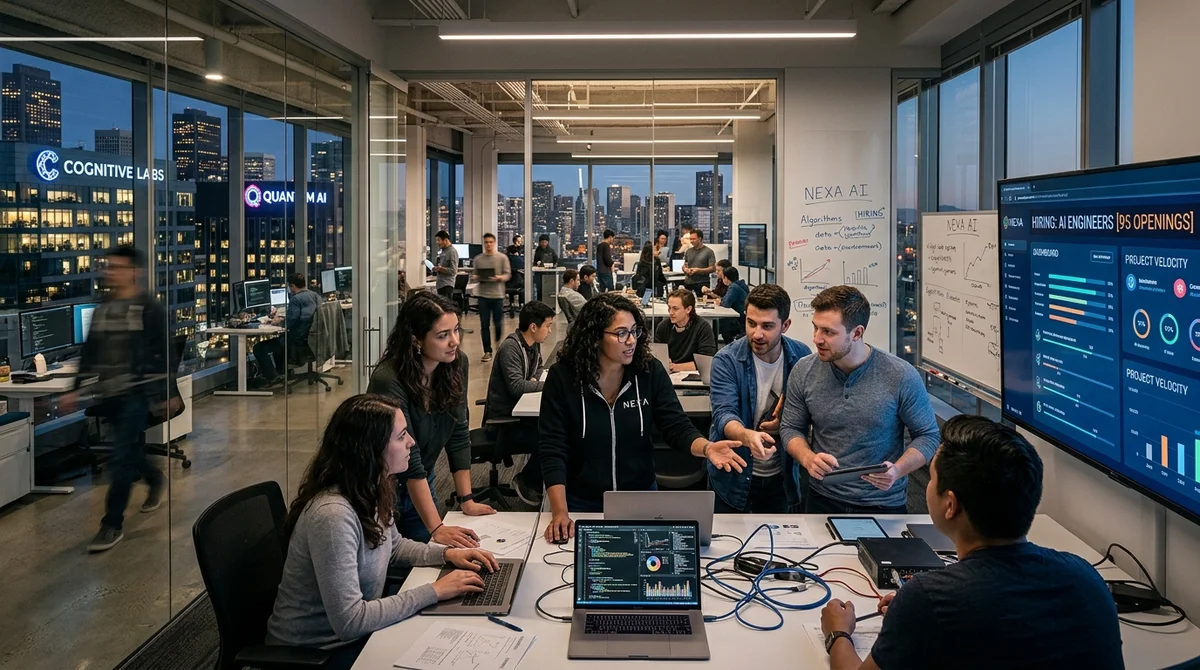

OpenAI to nearly double headcount by 2026 to boost ChatGPT sales for businesses
OpenAI, Google, and Tesla set the week's agenda: GPT-5.4 mini, AI Studio, and Terafab

AI Independence Bench compared 49 models and measured their resilience to user pressure

Gemini: how Google turned Bard's failure into 750 million users and AI leadership



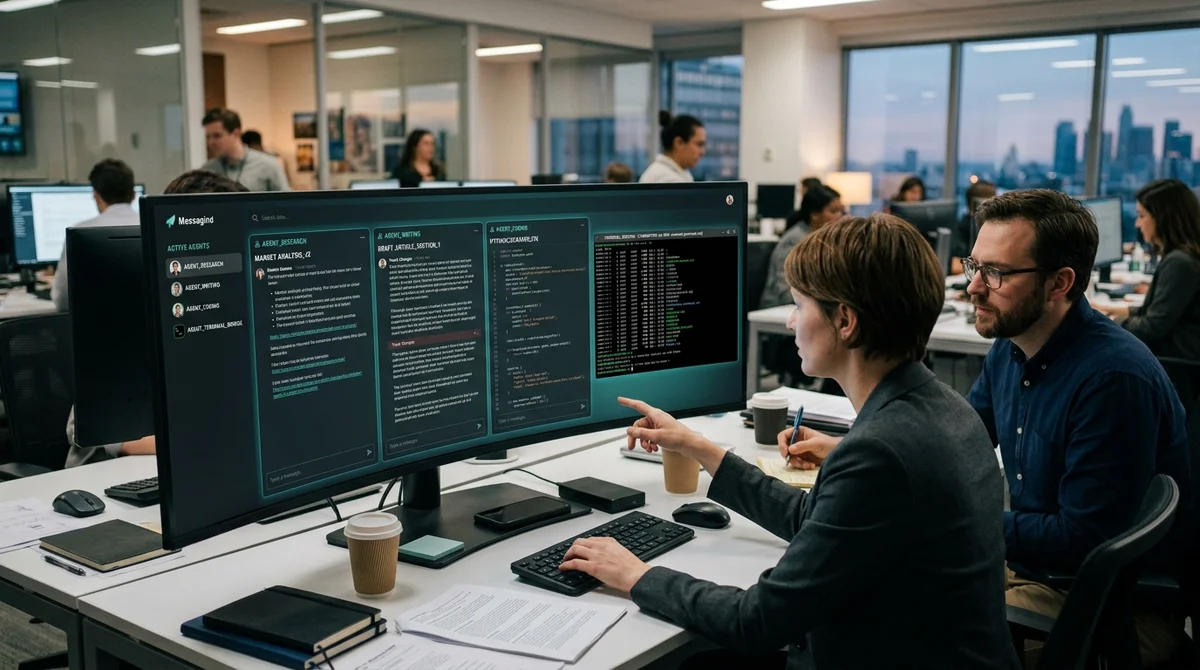
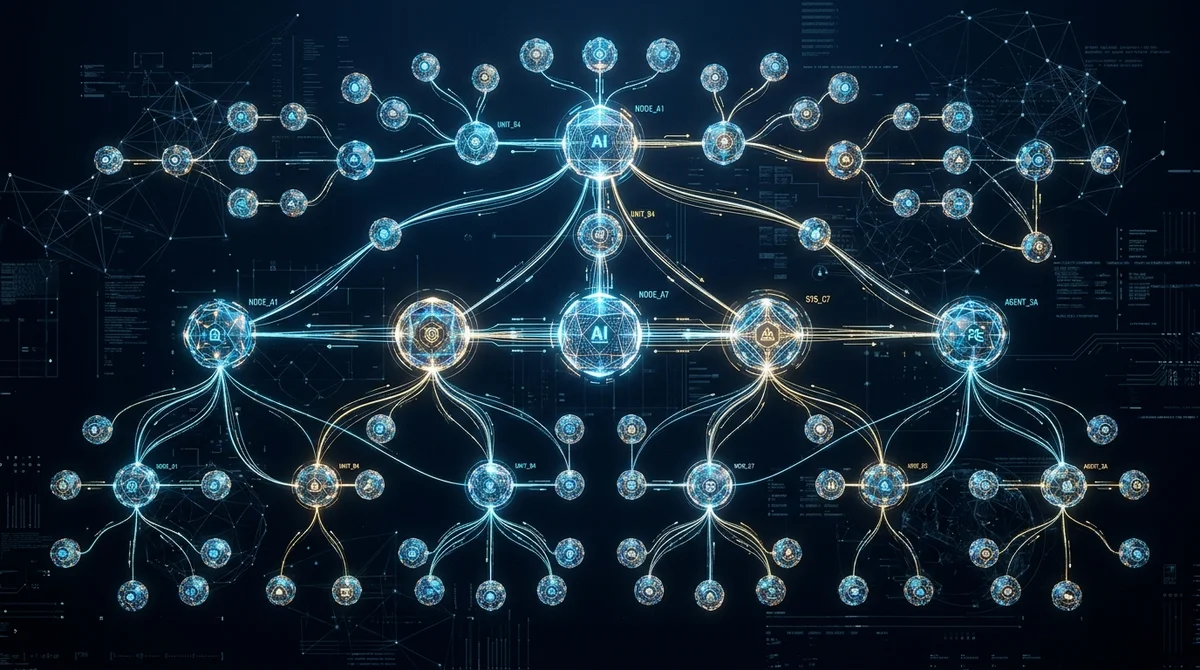
OpenClaw broke multi-agent work down into three modes: standalone agents, subagents, and ACP
OpenClaw explained how it structures multi-agent work through Telegram: standalone agents get memory and a workspace, subagents handle one-off tasks, and ACP…
Apple bets on local AI in M-series chips, not giant models
While the market measures itself by data centers and GPU clusters, Apple is pushing a different scenario: running AI near the user, on devices with unified memory…