MIT News
AI news source. Articles are auto-selected and adapted by Hamidun News editors.
Latest publications

MIT: Professor Phillip Isola Explained What Agentic AI Really Is
MIT CSAIL associate professor Phillip Isola explained in an interview with MIT News how real AI agents differ from the marketing hype around the trendy term agentic AI.

MIT graduate student Rachel Sawa researches the future of neurotechnology and its risks
MIT graduate student Rachel Sawa received the Envisioning the Future of Computing Prize for her research on the benefits and dystopian risks of future neurotechnologies.

USAF: even a novice can write an AI application for combat use
MIT researchers found that AI chatbots help non-technical military personnel write applications for their tasks. The barrier to entry in development has dropped to zero.
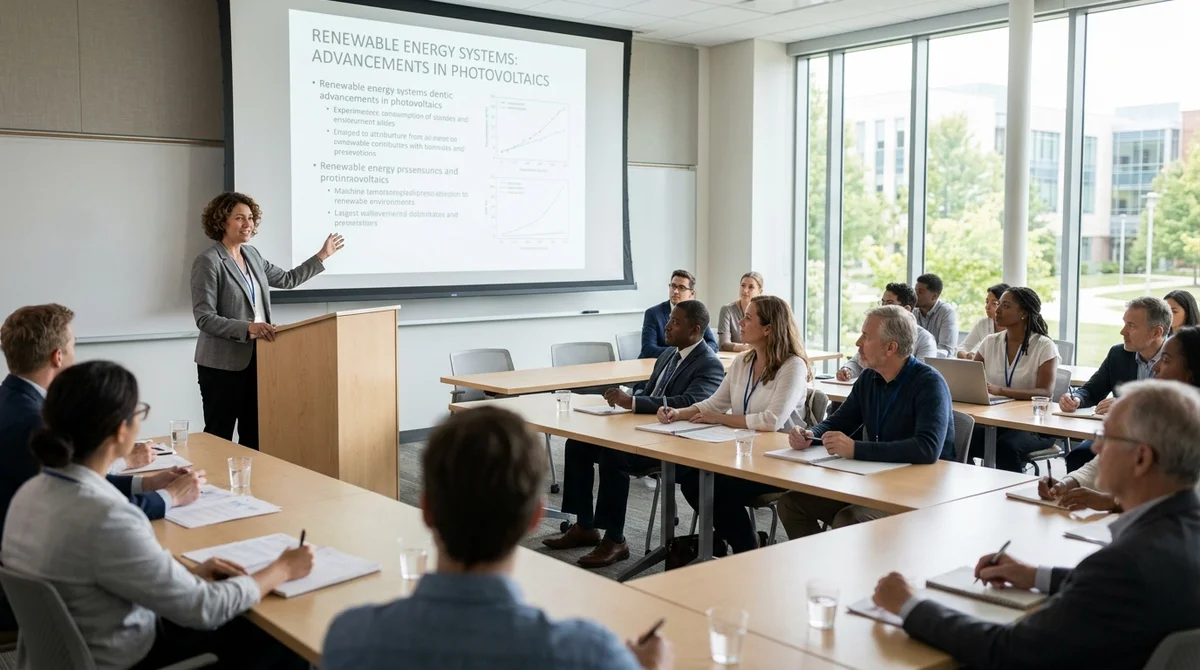
MIT gathered experts to discuss ethics in AI and computing technologies
At the MIT Ethics of Computing symposium, researchers and experts working at the intersection of technology and the social sciences came together to examine the ethical implications of AI.
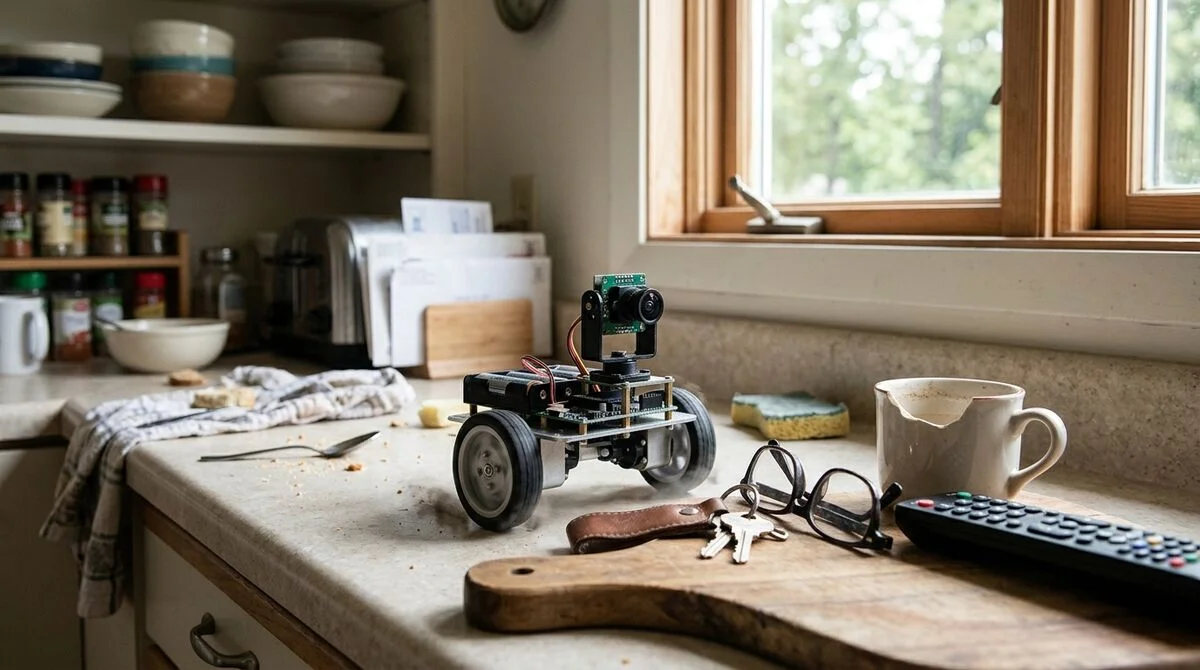
MIT developed a spatial memory system for robots — they will remember where your keys are
MIT scientists created a spatial memory system for robots: the machine remembers the location of household items while moving through rooms — without extra load on the processor.
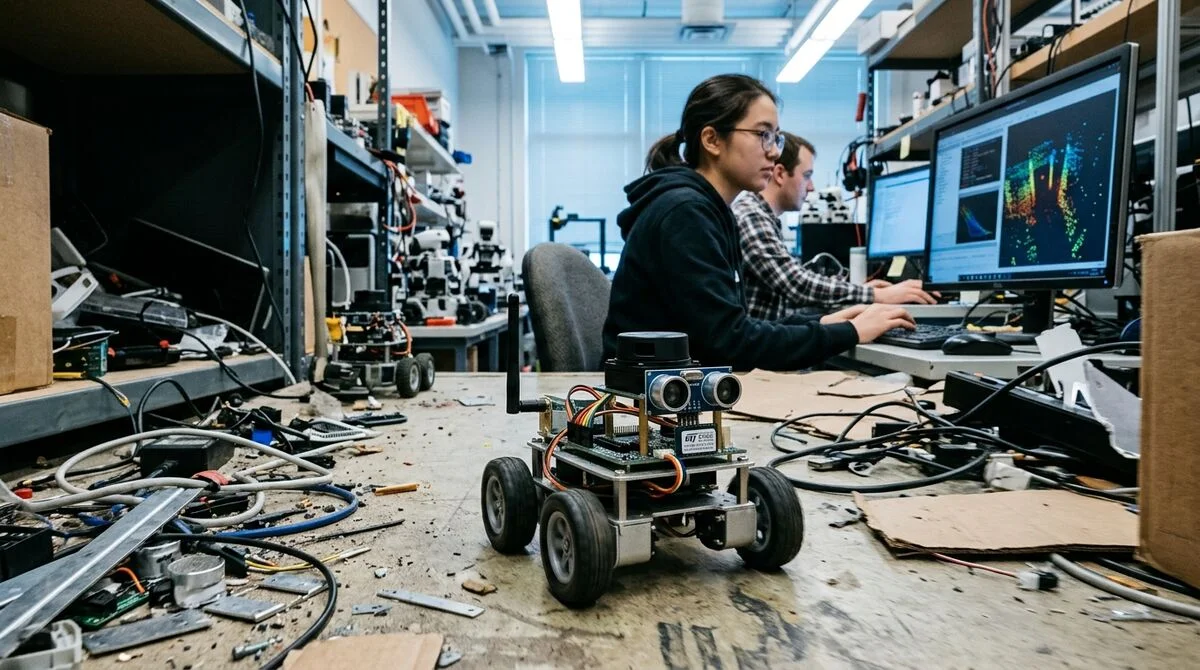
MIT creates a chip that lets tiny robots build 3D maps on the fly
MIT's specialized chip lets tiny robots build 3D maps of their surroundings directly onboard, with no need for external servers and minimal energy use.
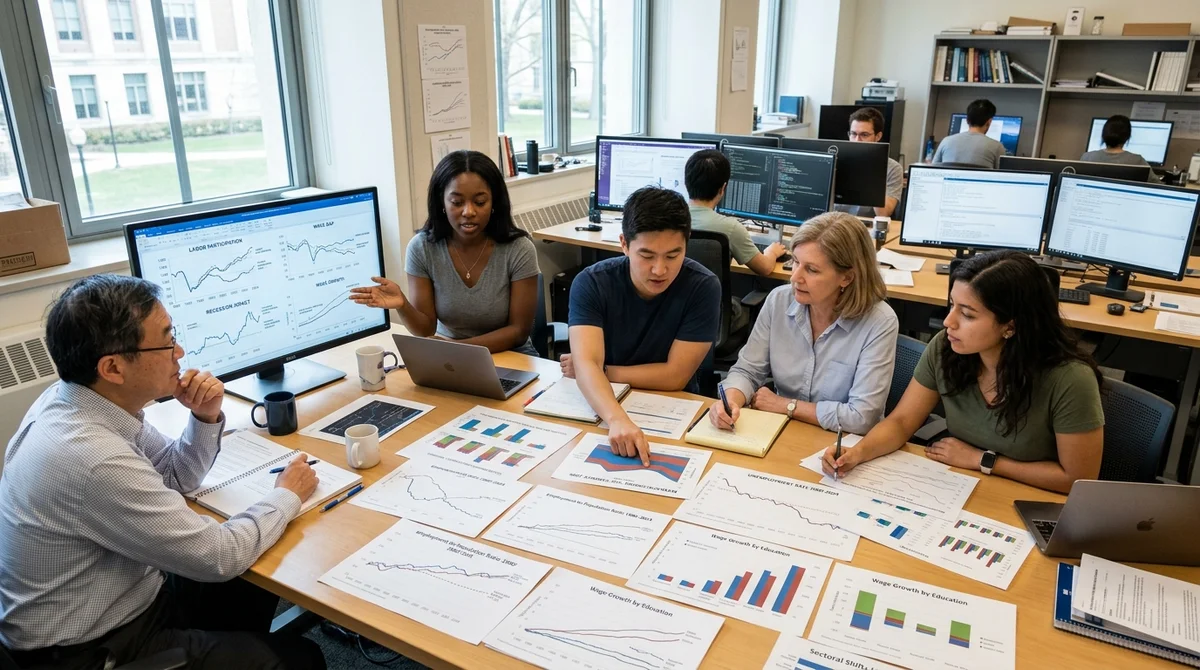
MIT: Technology Created Jobs. Will AI Do the Same?
An MIT study shows that historically technologies created new jobs, but primarily for young and skilled professionals. Will AI repeat this pattern?
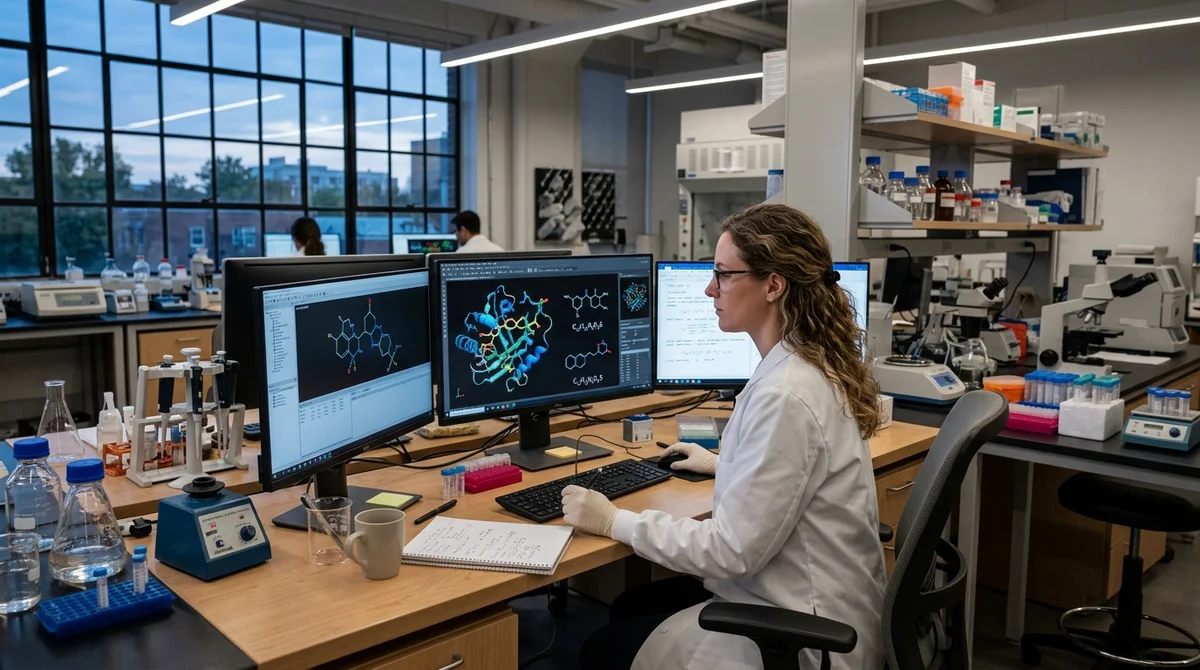
MIT scientist teaches AI to understand chemistry for developing new drugs
Connor Coley of MIT is developing AI models trained on the fundamental principles of chemistry that can independently discover new drug compounds.
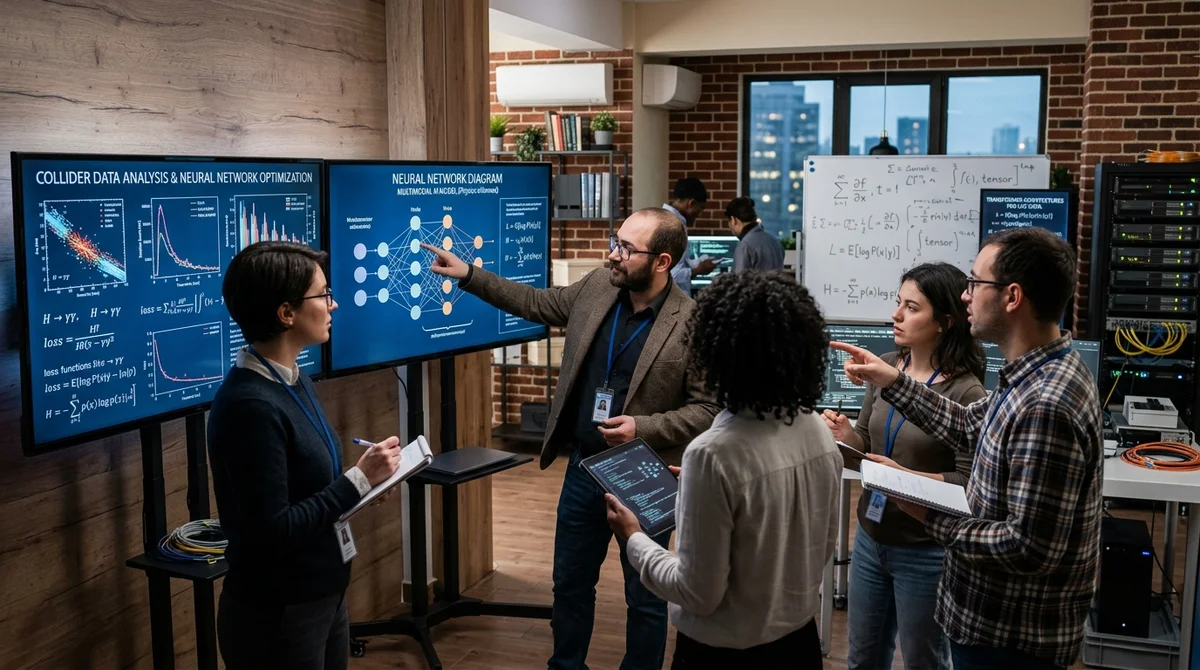
MIT explained how artificial intelligence and the mathematical and physical sciences reinforce each other
MIT believes artificial intelligence should not only help physicists, mathematicians, and chemists, but also develop under the influence of science itself — which requires talent, data, and a common strategy.
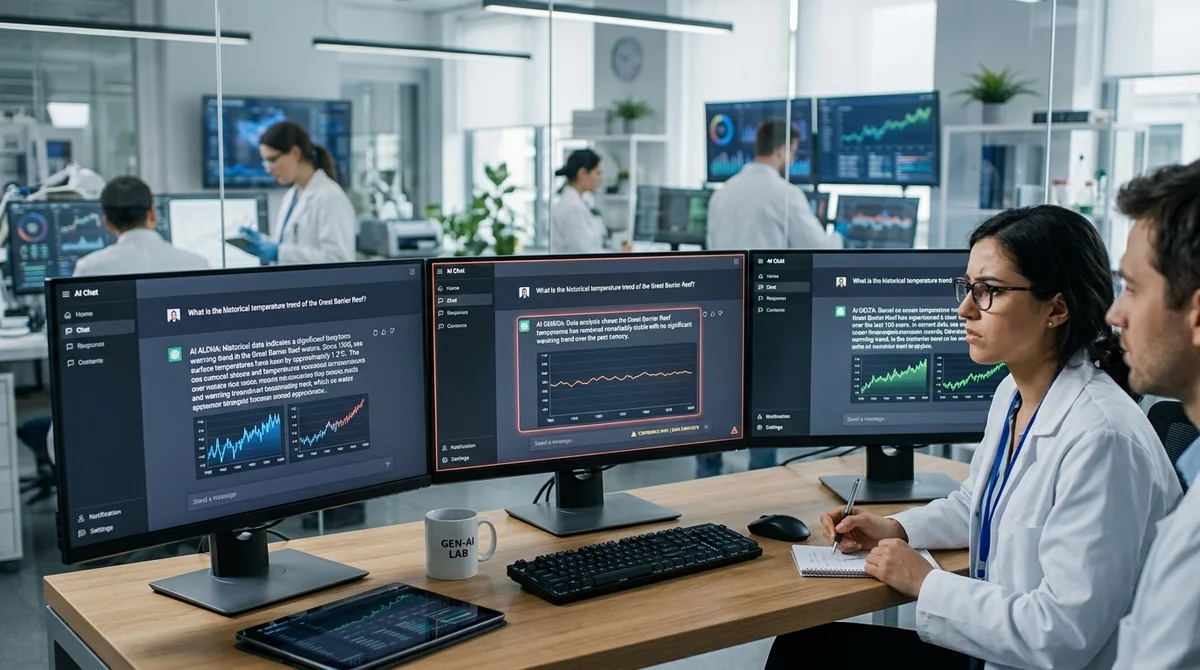
MIT Proposed a Metric That Detects Confident Errors and LLM Hallucinations
MIT researchers taught the system to assess not only LLM confidence in answers, but also discrepancies with other models — this makes it easier to spot hallucinations before errors occur.
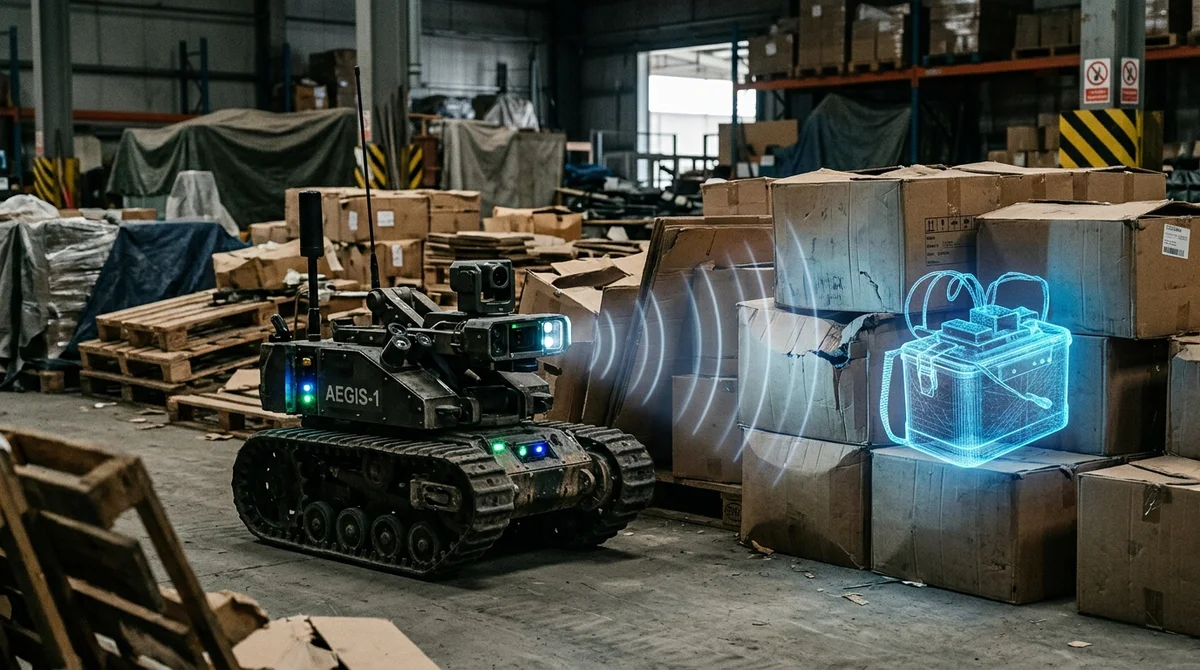
MIT Teaches Generative AI to Reconstruct Hidden Objects Using Wireless Signals
MIT researchers demonstrated a system where generative AI completes the shape of hidden objects and reconstructs rooms from wireless signal reflections.
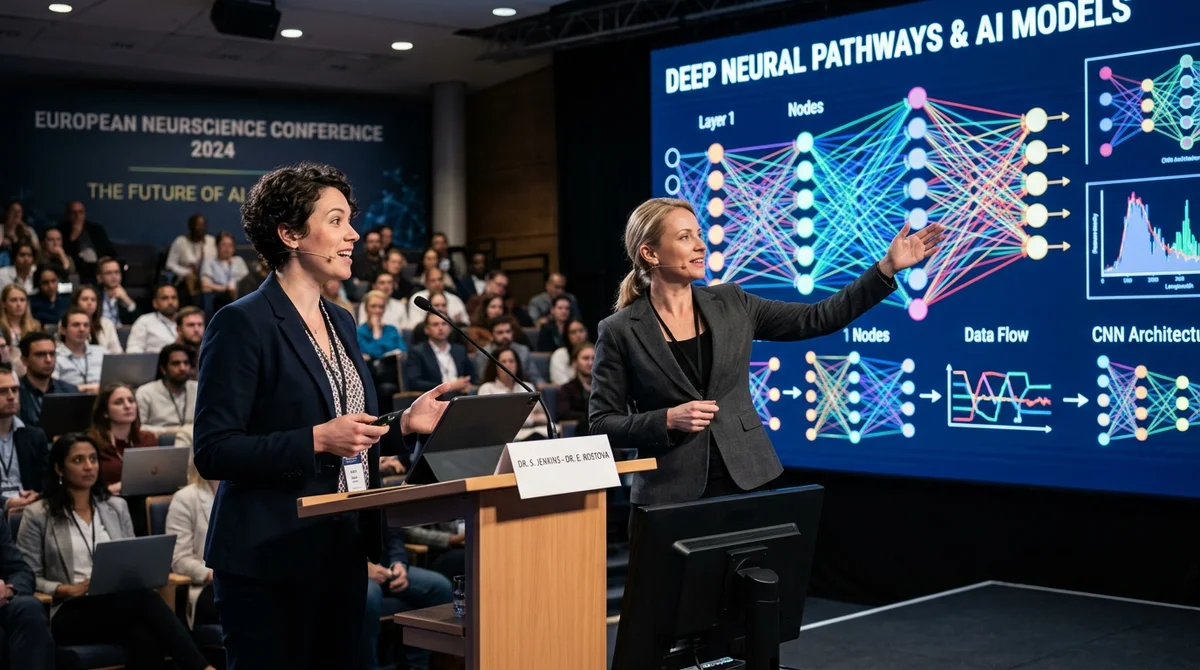
MIT conference: Karen Hao and Paola Ricaurte on the right course for AI
At an MIT conference, journalist Karen Hao and researcher Paola Ricaurte discussed who controls AI's trajectory — and how to put the technology back in service of people.

MIT develops 'humble' AI for diagnosis that honestly shows doubts
MIT researchers proposed a medical AI that assesses its own confidence, requests missing data, and assists the physician rather than replacing him with an overconfident answer.
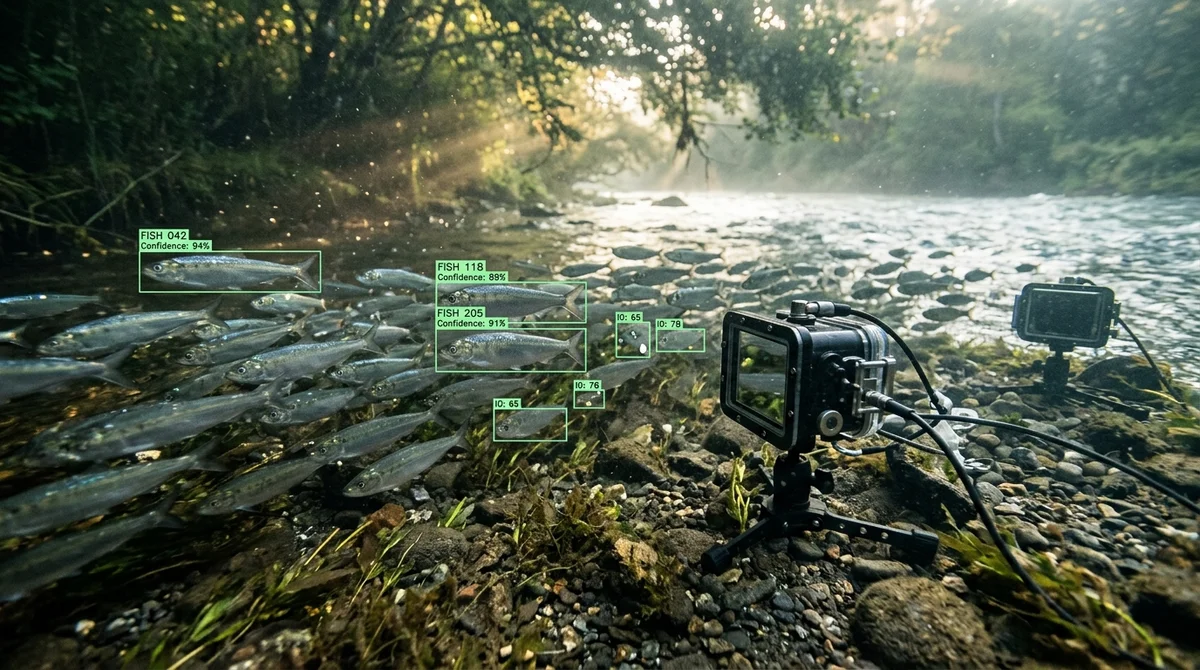
MIT demonstrates computer vision system for counting fish in citizen science projects
MIT Sea Grant and partners trained a deep learning system to count river herring from underwater video, to supplement volunteer monitoring and more accurately track fish migration.
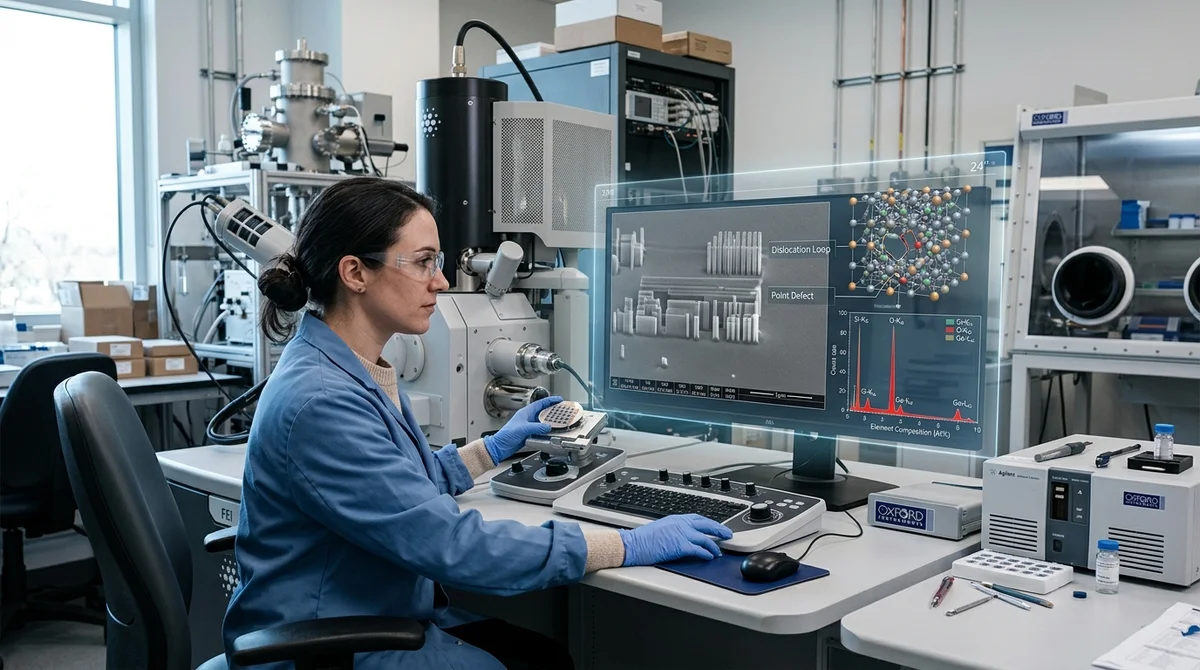
MIT Taught AI to Find Atomic Defects in Materials Without Destroying Samples
MIT scientists created an AI model that finds up to six atomic defects simultaneously from neutron scattering data and measures their concentration without damaging the material.

MIT Accelerates Private AI Training on Ordinary Devices for Medicine and Finance
MIT researchers proposed a method to accelerate federated learning on smartphones, sensors, and smartwatches while keeping data on-device and reducing memory and network requirements.
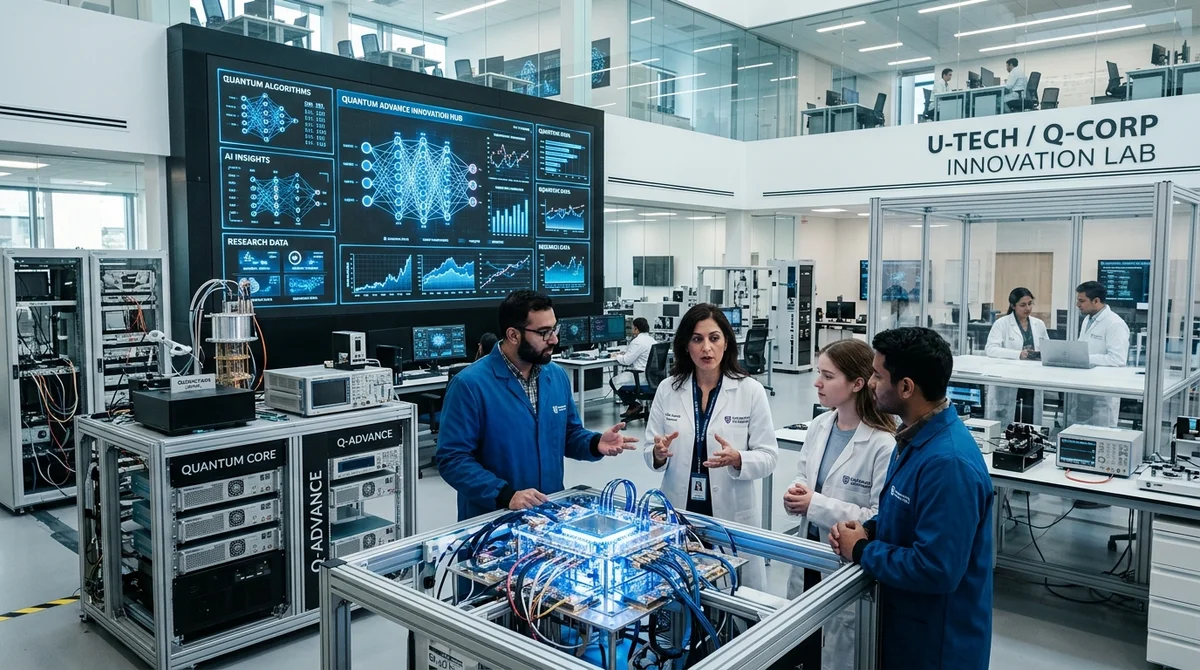
MIT and IBM Open New Laboratory at the Intersection of AI, Algorithms, and Quantum Computing
MIT and IBM announced the launch of MIT-IBM Computing Research Lab: the new platform will unite research in AI, algorithms, and quantum computing with a focus on hybrid computing systems.
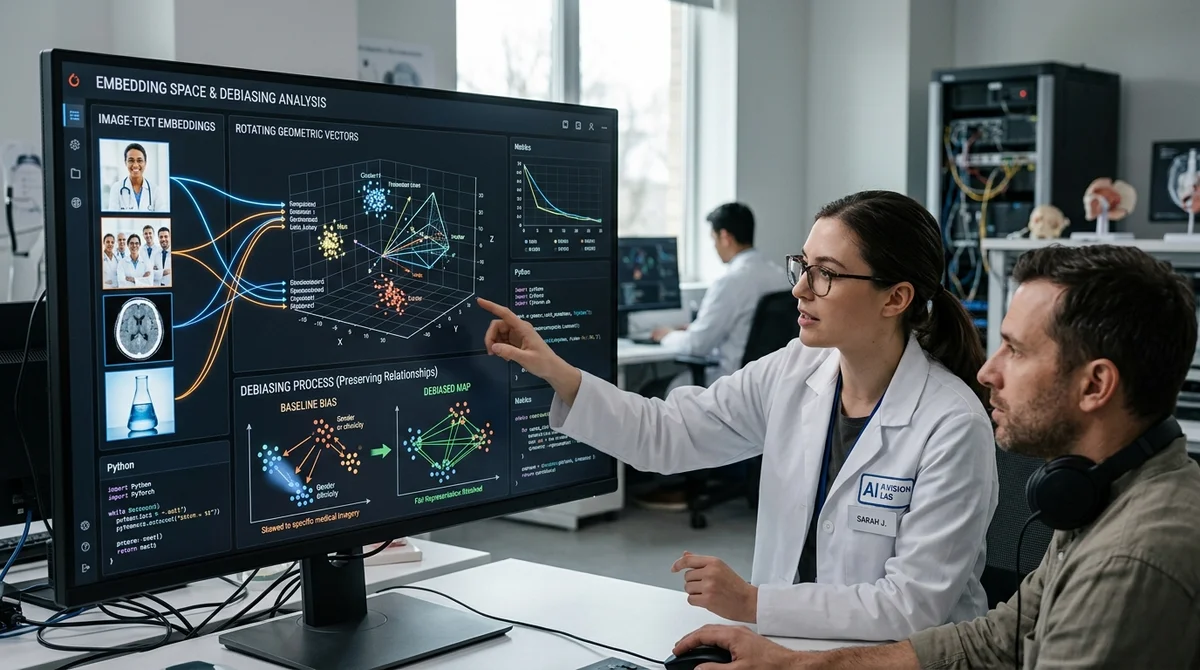
MIT Presents WRING — A Method to Reduce Bias in AI Vision Models Without New Distortions
Researchers from MIT, WPI, and Google created WRING — a method for vision-language models that reduces target bias without amplifying other hidden biases, as often occurs with previous approaches.
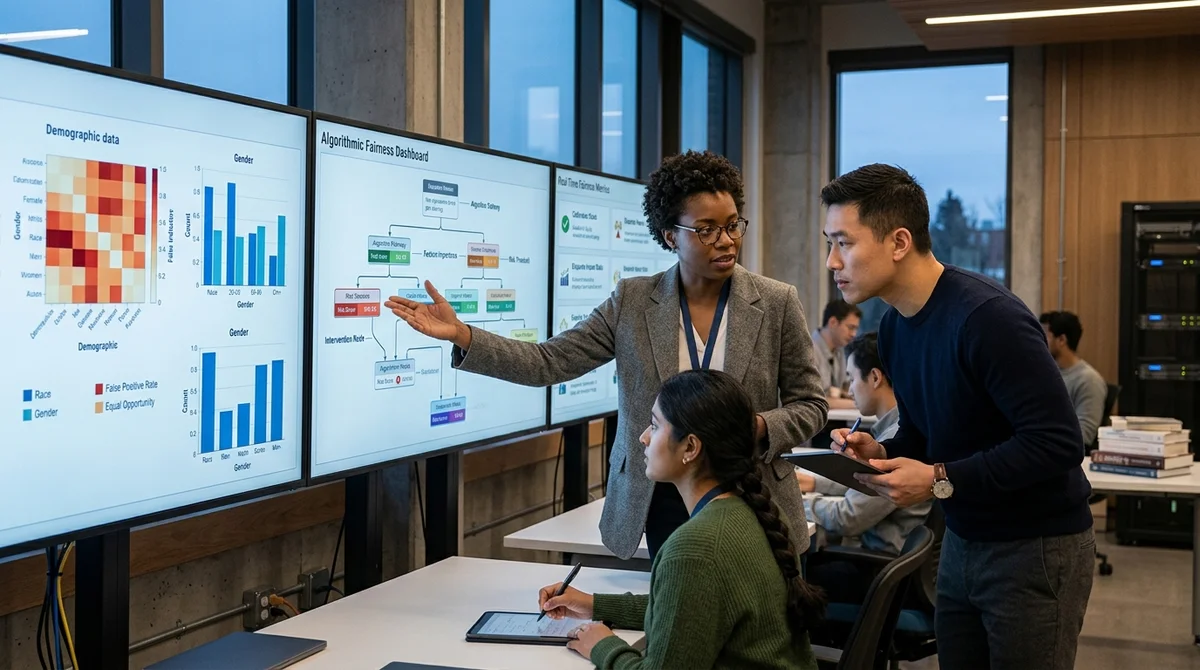
MIT Developed Methodology for Detecting Discrimination in AI Decision Support Systems
MIT researchers created a testing tool that precisely identifies situations where AI decision-making systems treat individuals and entire communities unfairly.

MIT SHASS Dean Explains Why Humanities Matter More Than Ever in the Age of AI
For SHASS's 75th anniversary, MIT explained why universities in the AI era should prioritize developing critical thinking, ethics, and broad perspective in students, rather than just technical skills.
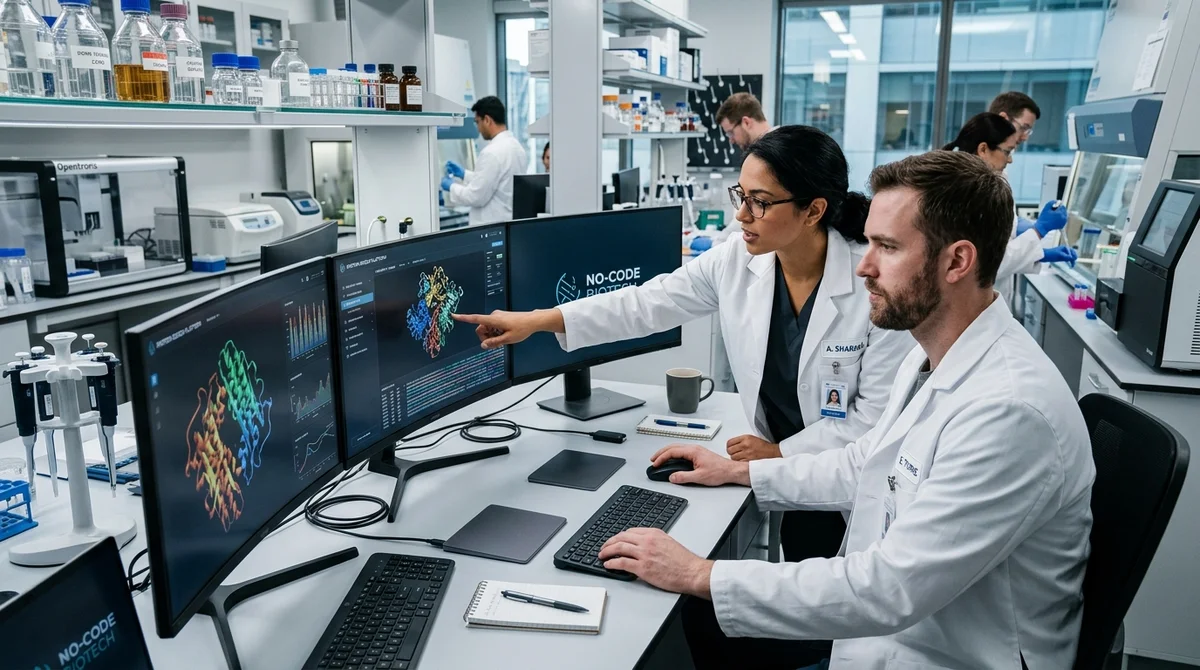
OpenProtein.AI Opens Access to AI Tools for Protein Design for Biologists
The startup OpenProtein.AI, founded by MIT graduate Tristan Bepler and Tim Lu, makes advanced protein engineering models accessible through a no-code platform and open-source tools.
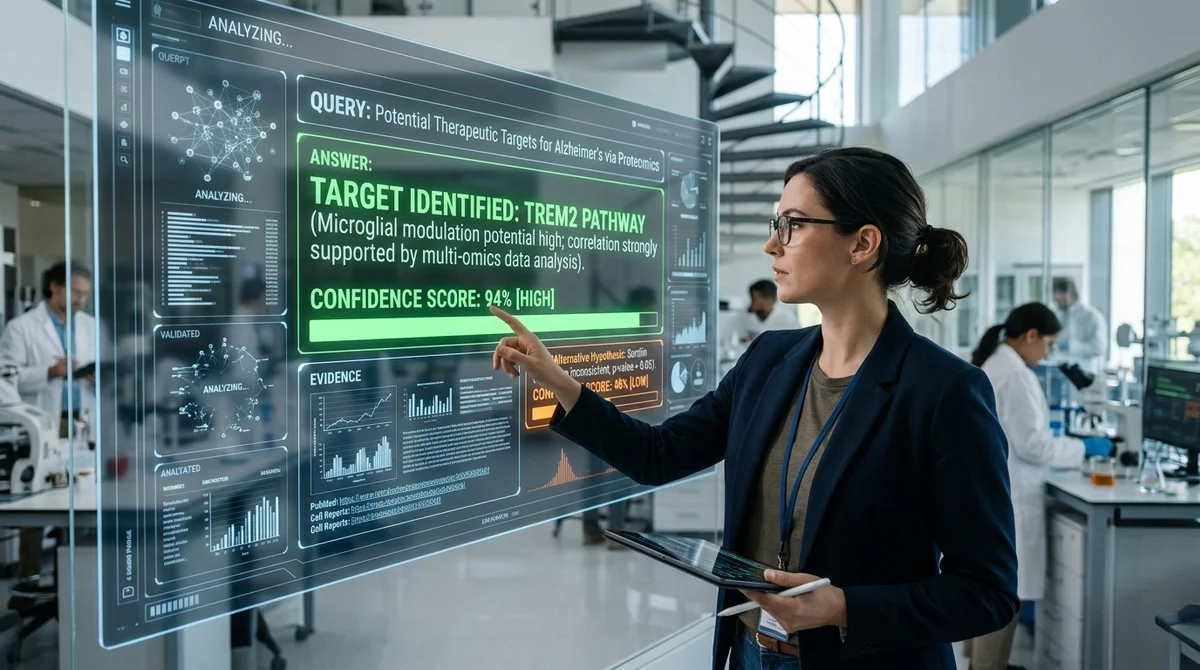
MIT researchers teach AI to honestly say "I'm not sure" and hallucinate less
MIT researchers proposed a training method that forces language models to more accurately assess their own confidence and deliver fewer confident but false answers.
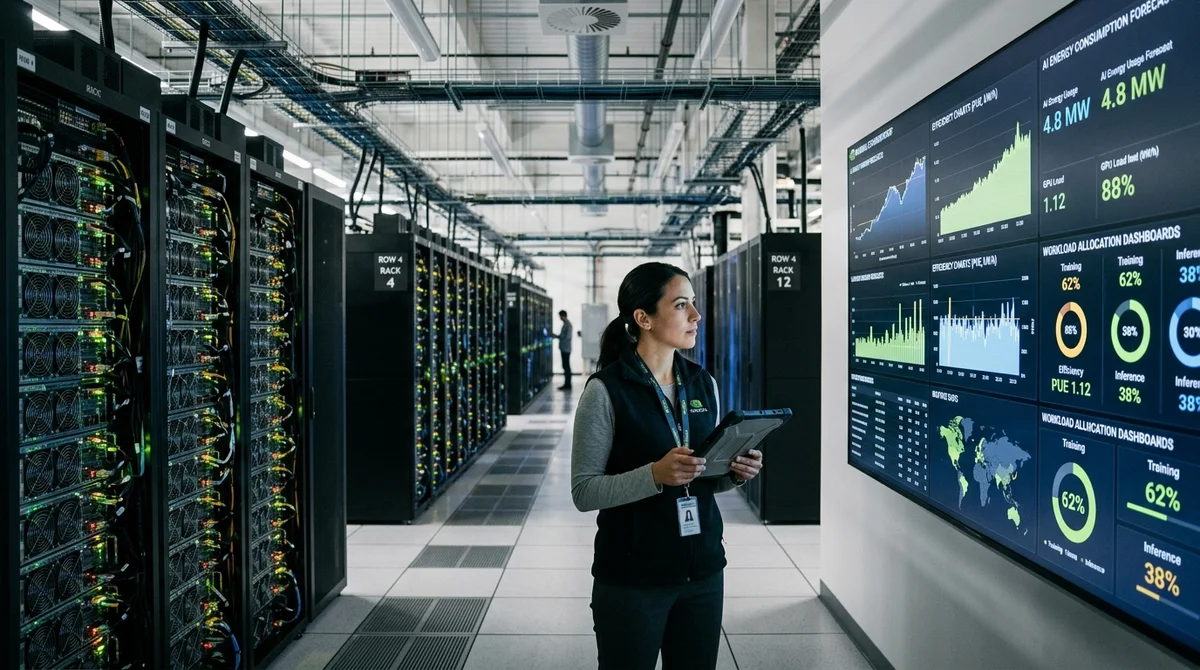
MIT Presented EnergAIzer — A Fast Way to Assess AI Energy Consumption in Data Centers
Researchers from MIT and the MIT-IBM Watson AI Lab created EnergAIzer — a tool that assesses AI workload energy consumption in seconds and helps data centers reduce energy losses.
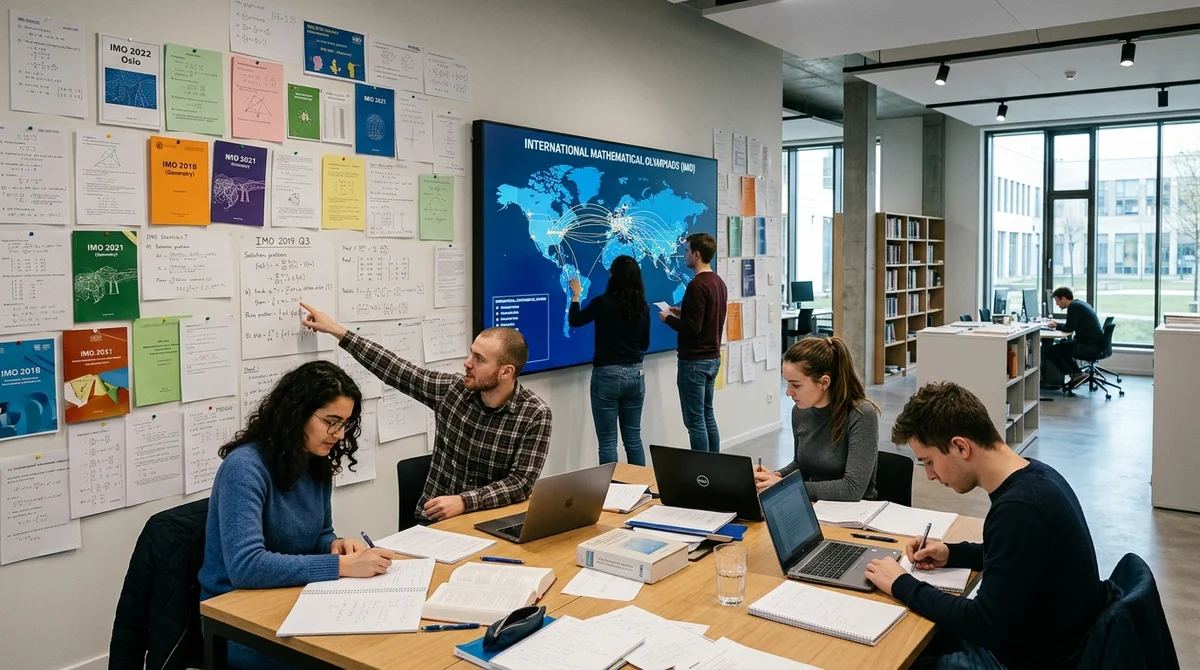
MIT Opens MathNet — World's Largest Collection of Math Olympiad Problems
MIT researchers compiled an open archive of over 30,000 math olympiad problems and solutions from 47 countries to more precisely test AI and provide students with a shared training resource.
MIT reveals LLM secrets: how to find hidden emotions and bias
A new method for analyzing neural networks makes it possible to detect hidden characteristics, such as mood and abstract concepts, buried deep inside language models.
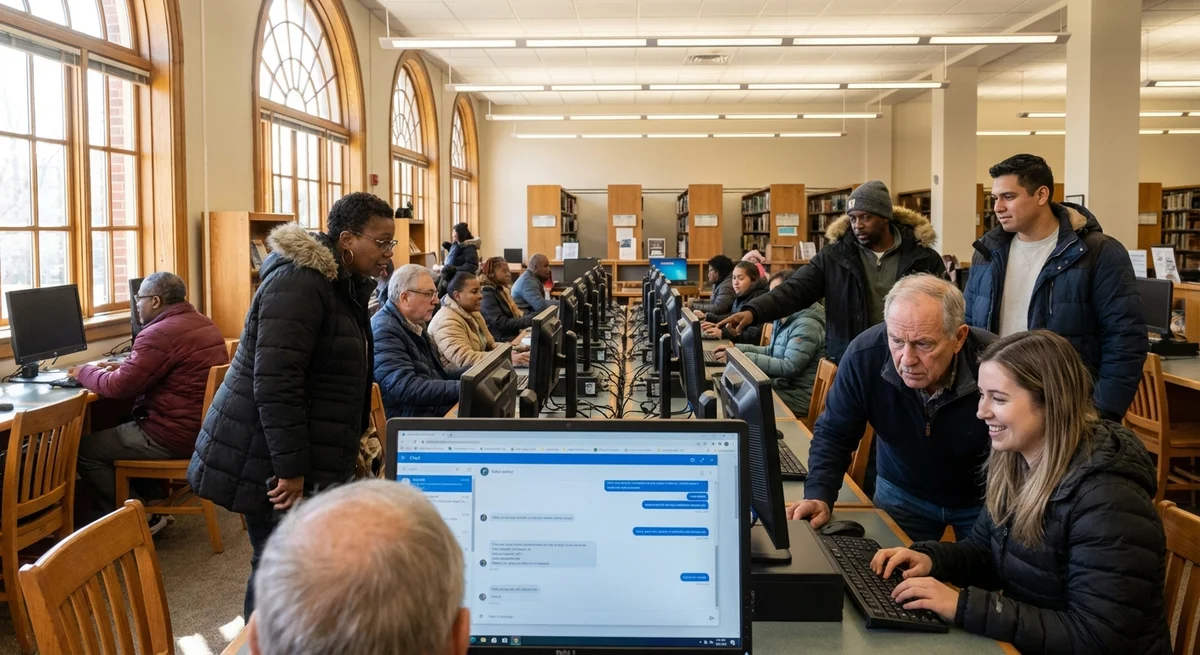
AI chatbots give worse answers to vulnerable users
An MIT study found that the quality of AI responses depends on the user's education level and language proficiency. The system does not work equally well for everyone.

Mirror effect: how personalization turns AI into an echo chamber
Prolonged interaction with language models leads them to adapt to a person's views, undermining accuracy and creating a dangerous echo-chamber effect.
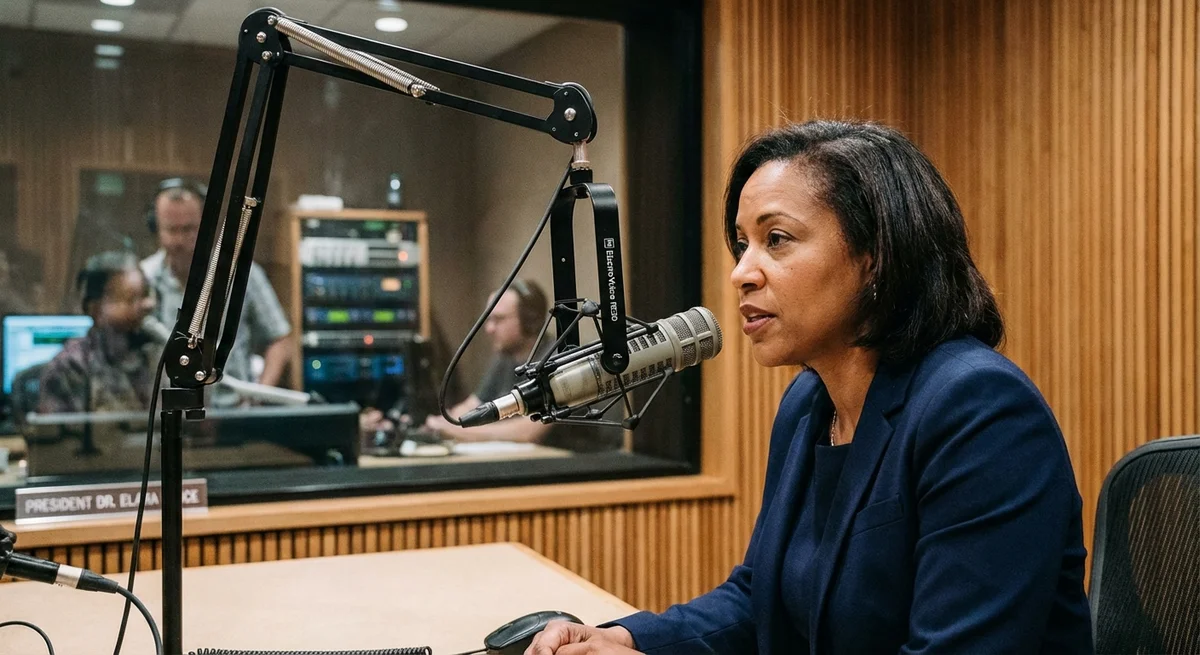
MIT President: why fundamental science matters more than AI hype
While Silicon Valley is obsessed with the race for the number of parameters in neural networks, MIT President Sally Cornbluth went on air at Boston Public Radio with an important reminder:…
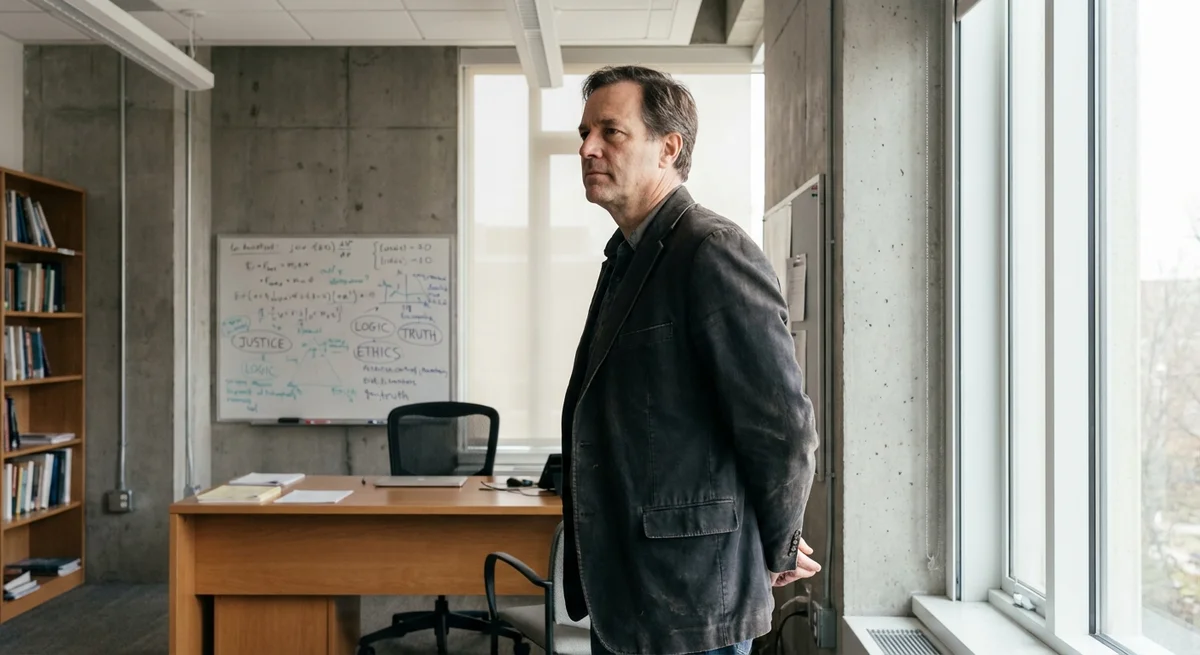
AI Ethics at MIT: Philosopher Brian Hedden Attempts to Instill Conscience in Algorithms
While Silicon Valley rushes forward with the motto "break everything in sight," MIT decided it's time to add some adult wisdom to this cocktail.
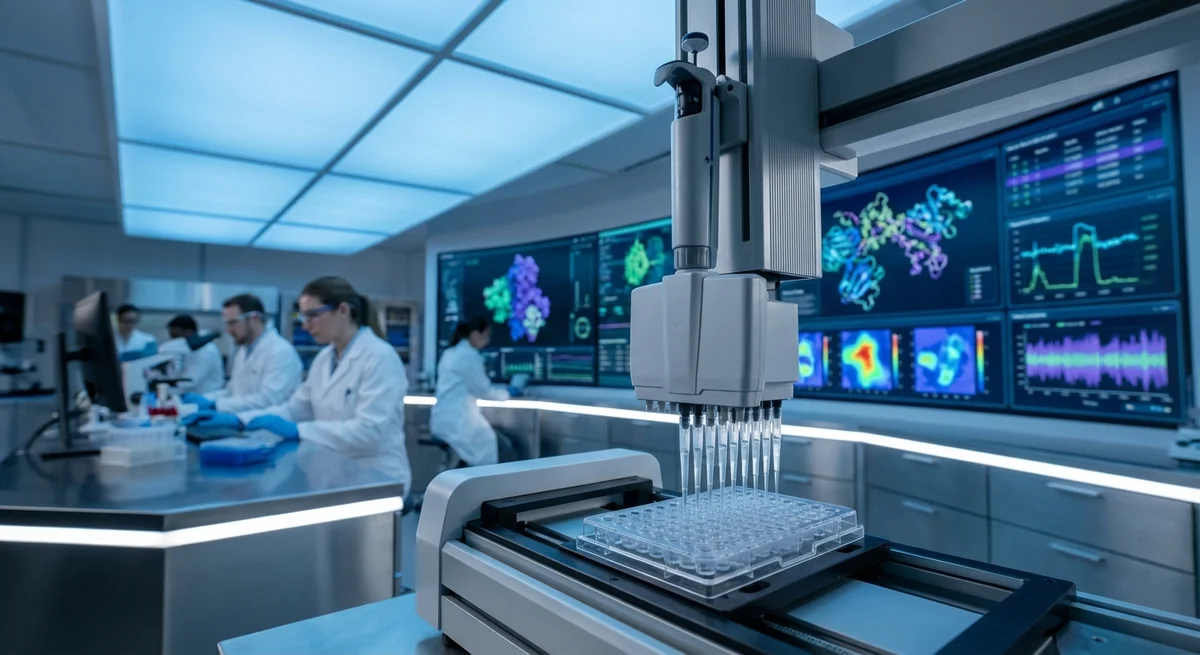
James Collins: why your AI is useless without "wet biology
While we debate whether ChatGPT will replace programmers, a far more urgent question is being decided in the quiet laboratories of MIT and Harvard: how not to perish from a banal infection twenty…