Seattle Bans New AI Data Centers for a Year Amid Energy Crisis
Seattle, home to Amazon and Microsoft, has banned construction of new data centers for one year. The city council vote was unanimous. The reason: AI infrastructure consumes extreme amounts of electricity, which strains the city's power grid and drives up residents' bills.
AI-processed from Guardian; edited by Hamidun News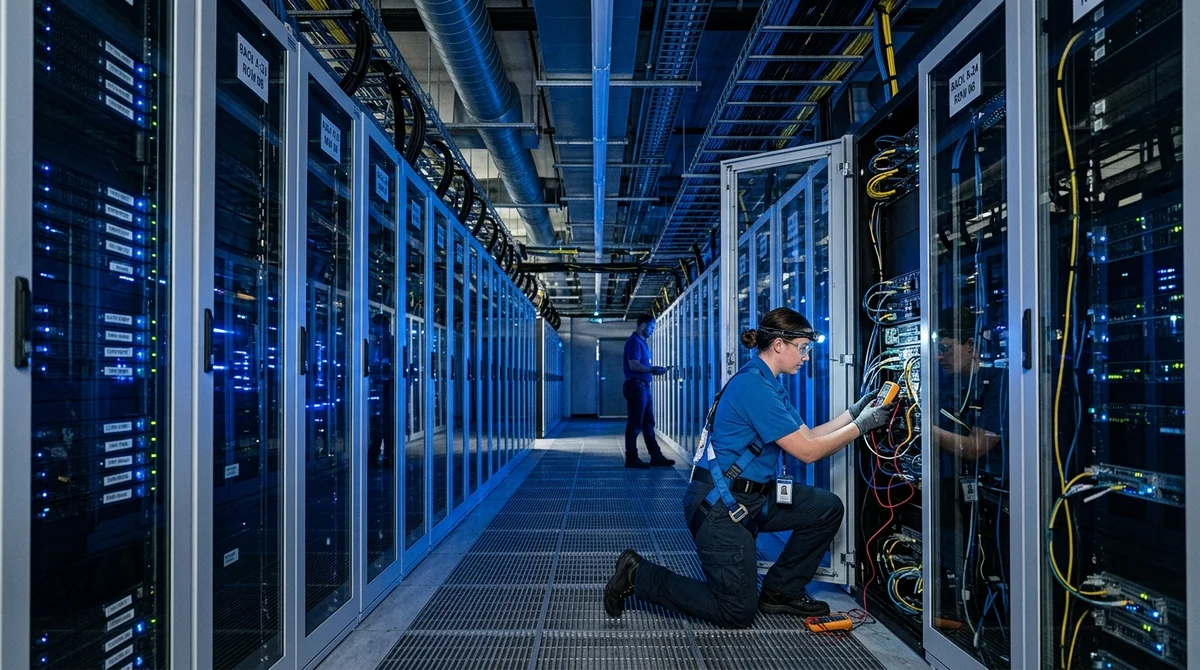
Seattle, one of the top tech hubs in the US and home to Amazon and Microsoft, is now the first major American city to impose a moratorium on new data center construction. The city council voted unanimously on Tuesday, signaling shared concern over the growing load that AI infrastructure puts on the city.
A one-year ban on expansion
The moratorium blocks construction of any new data centers within city limits for one year. It is the strictest control on AI infrastructure among major US cities.
Frustration with power-hungry data centers is growing across the country, but Seattle is the first major metro to take such a drastic step. The moratorium gives city officials time to rethink data center policy and draft long-term regulations instead of rushing them.
Why the city took a hard line
Data centers run around the clock and consume enormous amounts of electricity. A single large data center can use as much power as a small city with tens of thousands of residents.
For Seattle, that creates several problems at once:
- Peak load on the power grid during periods of high compute demand
- Rising electricity prices for households and small businesses
- Millions of liters of water consumed every day to cool server facilities
- A direct conflict with climate goals: the city has pledged to reach carbon neutrality by 2050
Seattle has already felt pressure on its power system over the past few years. Adding powerful new data centers would push the infrastructure toward overload.
How other cities are responding
Seattle isn't alone in its concerns, but its approach is the toughest. Other cities have tried alternative strategies: special taxes on data center energy use, renewable energy requirements, or mandatory environmental impact reviews.
A full ban, however, is the extreme option. If Seattle's moratorium proves effective at stabilizing the grid, it could become a model for other tech hubs across the country.
What it means
Seattle's decision sends a clear signal: cities are willing to push back against Big Tech's investment appetite to protect their own interests. Amazon and Microsoft, which had planned to expand AI infrastructure in the region, now have to look for sites in other states.
For Seattle itself, the move means lost tax revenue in the short term, but a potential gain in grid stability and affordable electricity in the long term.
- Nov 1, 2026Google's StreamVibe video agent beats other models by 10.7% on response timing and quality
- Oct 30, 2026Mistral opens Large 4 weights: strong at code, but Chinese models score 32 to its 26
- Oct 30, 2026128 AI Agents With No Boss Passed 49% More Tests Than One
- Oct 29, 2026Stanford AI tool verifies part of Signal's code in half a day for under $500, versus five months of expert work
Key Questions Answered
What are the key details on A one-year ban on expansion?
The moratorium blocks construction of any new data centers within city limits for one year. It is the strictest control on AI infrastructure among major US cities. Frustration with power-hungry data centers is growing across the country, but Seattle is the first major metro to take such a drastic step. The moratorium gives city officials time to rethink data center policy and draft long-term regulations instead of rushing them.
Why the city took a hard line?
Data centers run around the clock and consume enormous amounts of electricity. A single large data center can use as much power as a small city with tens of thousands of residents. For Seattle, that creates several problems at once: Peak load on the power grid during periods of high compute demand Rising electricity prices for households and small businesses Millions of liters of water consumed every day to cool server facilities A direct conflict with climate goals: the city has pledged to reach carbon neutrality by 2050 Seattle has already felt pressure on its power syste
How other cities are responding?
Seattle isn't alone in its concerns, but its approach is the toughest. Other cities have tried alternative strategies: special taxes on data center energy use, renewable energy requirements, or mandatory environmental impact reviews. A full ban, however, is the extreme option. If Seattle's moratorium proves effective at stabilizing the grid, it could become a model for other tech hubs across the country.
Test Frontier LLMs & Autonomous Agents in One Workspace
Run Claude Opus 5.5, GPT-6, Gemini 3.1, and DeepSeek side-by-side in Nomad AI (nomadnet.ai) — unified model routing, deep research, and multimodal workflows under one subscription.
The AI world, distilled — once a week
Seven stories that actually mattered, hand-picked. No noise, no reposts, no press releases.
Done! Check your inbox for a confirmation.