Kenya freezes Microsoft data center construction over energy crisis
Microsoft has frozen construction of a $1 billion AI data center in Kenya. President William Ruto said the facility needs so much electricity that it would leave half the country without power. The first phase of the project required redirecting the entire output of the country's largest geothermal power plant.
AI-processed from CNews AI; edited by Hamidun News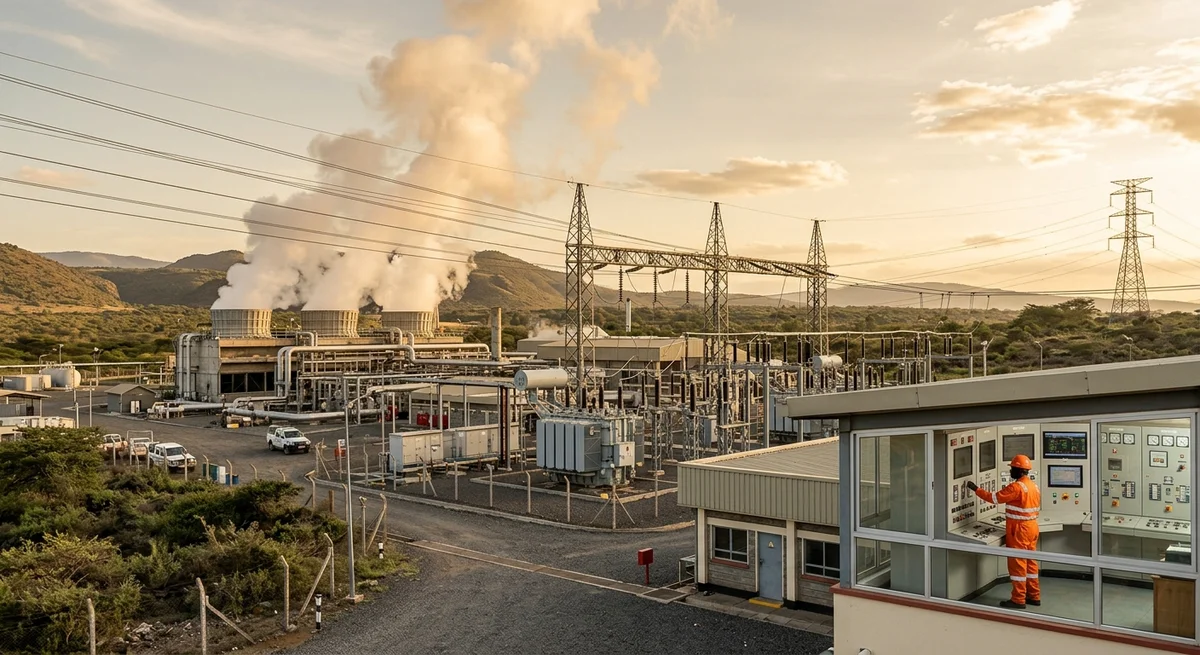
Microsoft has postponed construction of its largest AI data center in Kenya, a project worth $1 billion. President William Ruto announced the freeze, pointing to the critical load the facility would place on the national power grid.
What the project required
Microsoft's plans to build in Kenya have been discussed since 2023. The project was designed to host one of the largest AI data centers on the continent, with potential capacity for thousands of high-performance servers.
The first construction phase alone required the output of the country's largest geothermal power plant, Hellfire/Hell's Gate. That would have meant redirecting all the electricity the plant produces to the data center's operational needs. According to President Ruto, such a facility could leave half of the country's population without electricity.
Modern AI servers consume staggering amounts of power: high-performance GPUs run at full load around the clock, drawing 350–700 W each. Cooling systems require an additional 30–50% of the energy consumed by the chips themselves.
Why Kenya cannot afford it
Kenya is a developing economy where access to electricity remains one of the most acute problems. Only two thirds of the population are connected to the grid. Power generation already fails to meet growing demand, especially at peak hours. Blackouts are a regular reality in the capital and larger cities.
Handing the entire output of the largest plant to a single data center would have meant a complete breakdown of the country's basic infrastructure. Small and medium-sized businesses, hospitals and schools would have competed for scraps of the remaining capacity. The consequences would have been catastrophic:
- Power outages in medical facilities and emergency services
- Shutdown of water supply systems (pumps need a constant supply of electricity)
- Inability to grow local business and industry
- Mass outflow of workers to neighboring countries with a more stable power system
What this means
The cancellation of the project signals a collision between two conflicting trends. On one side, developed countries and large corporations are moving AI infrastructure to regions with cheap electricity: Kenya, Morocco, Iceland, Indonesia. On the other, local economies simply cannot give all their available energy to a single facility at the expense of the rest of the country.
This is the first truly prominent case of a major AI project being abandoned because of energy constraints. More such conflicts are likely in the coming years.
- Nov 1, 2026Google's StreamVibe video agent beats other models by 10.7% on response timing and quality
- Oct 30, 2026Mistral opens Large 4 weights: strong at code, but Chinese models score 32 to its 26
- Oct 30, 2026128 AI Agents With No Boss Passed 49% More Tests Than One
- Oct 29, 2026Stanford AI tool verifies part of Signal's code in half a day for under $500, versus five months of expert work
Key Questions Answered
What the project required?
Microsoft's plans to build in Kenya have been discussed since 2023. The project was designed to host one of the largest AI data centers on the continent, with potential capacity for thousands of high-performance servers. The first construction phase alone required the output of the country's largest geothermal power plant, Hellfire/Hell's Gate. That would have meant redirecting all the electricity the plant produces to the data center's operational needs. According to President Ruto, such a facility could leave half of the country's population without electricity. Modern AI
Why Kenya cannot afford it?
Kenya is a developing economy where access to electricity remains one of the most acute problems. Only two thirds of the population are connected to the grid. Power generation already fails to meet growing demand, especially at peak hours. Blackouts are a regular reality in the capital and larger cities. Handing the entire output of the largest plant to a single data center would have meant a complete breakdown of the country's basic infrastructure. Small and medium-sized businesses, hospitals and schools would have competed for scraps of the remaining capacity. The consequ
What this means?
The cancellation of the project signals a collision between two conflicting trends. On one side, developed countries and large corporations are moving AI infrastructure to regions with cheap electricity: Kenya, Morocco, Iceland, Indonesia. On the other, local economies simply cannot give all their available energy to a single facility at the expense of the rest of the country. This is the first truly prominent case of a major AI project being abandoned because of energy constraints. More such conflicts are likely in the coming years.
Ship AI Faster with Founders, Engineers & Weekly Architecture Reviews
Inside Vibe Club (hamidun.com/club) — weekly live masterminds with Zhemal Khamidun, Tech Radar, full LMS access, and 370+ production Claude Code skills.
The AI world, distilled — once a week
Seven stories that actually mattered, hand-picked. No noise, no reposts, no press releases.
Done! Check your inbox for a confirmation.