Habr AI
AI news source. Articles are auto-selected and adapted by Hamidun News editors.
Latest publications
Nvidia Nemotron-Cascade-2 was run at home on a GeForce RTX 3090 at up to 150 tokens/s
A local LLM enthusiast tested Nemotron-Cascade-2 on a home PC with a GeForce RTX 3090 and showed that the 30B model can work as a fast assistant for coding, RAG, and complex tasks.
TAPe reached 74% accuracy on COCO and began moving away from standard transformers
The authors of the TAPe diary said that the model, trained on entirely synthetic data, reached 74% classification accuracy on COCO and is now moving away from standard transformers toward its own architecture.
PAC1 exposed a weakness in reasoning models: a hardcoded agent passed the benchmark at lower cost
The closed PAC1 benchmark showed that in tasks involving files, JSON, and security traps, a fixed algorithm can sometimes work more reliably and at lower cost than a reasoning model.
John McCarthy and the myth of “AI”: why CIP is a more accurate term for the technology
The article explains how the term “artificial intelligence,” coined by John McCarthy, created the myth of machines competing with humans, even though it is more accurate to speak of “complex information processing.”
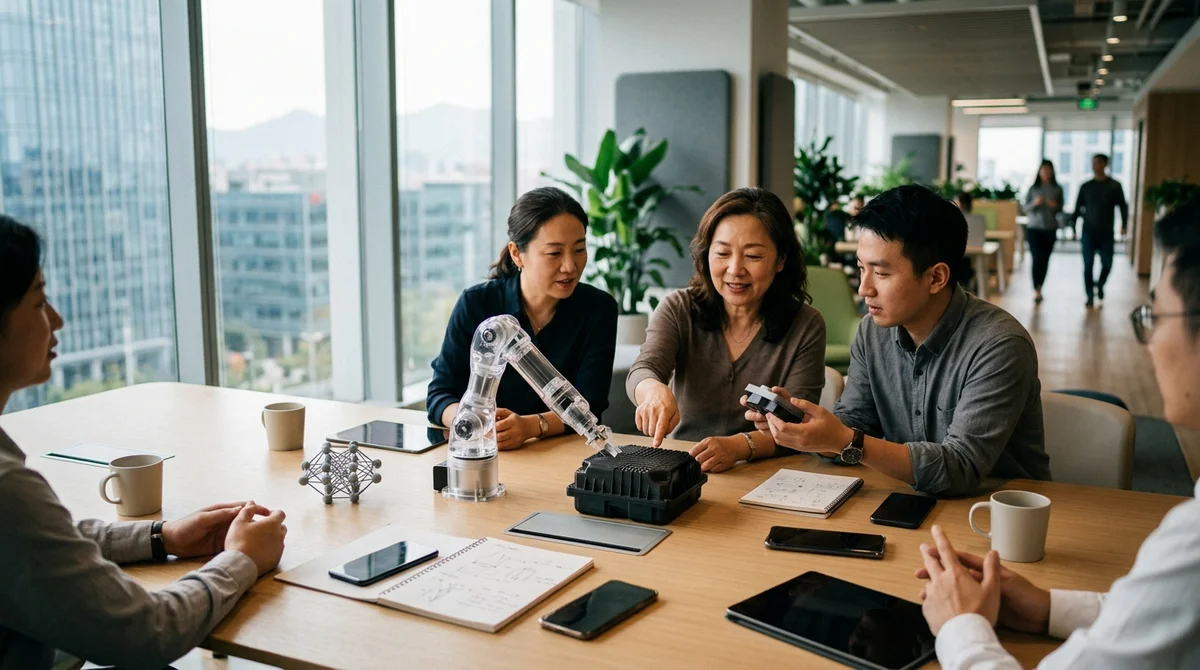
SenseTime, Baidu, and Xiaomi showed why AI in China is seen as an assistant, not a replacement
After visits to Baidu, Xiaomi, and SenseTime, one thing became clear: in China, AI is seen not as a threat to jobs, but as a tool that strengthens teams and speeds up technology adoption.

project-graph-mcp helps AI agents see project architecture without extra tokens
The developers behind project-graph-mcp released an MCP server that builds a compressed code graph, shows dependencies, and helps AI agents understand a project without lengthy file reading.

Habr: author explained why AI should not be reduced to vibe coding alone
The author of a new column on vibe coding explains why AI should not be reduced to app generation: in many tasks, it is faster and safer to use Excel, WordPress, and other ready-made tools.

Hive, C2PA, and Intel: How Deepfake Verification Services Work and Where They Fail
Journalists tested four popular tools for checking photos, videos, and audio for deepfakes and found that even the best solutions often break down on compression, old files, and content without metadata.

QSOFT implemented a YandexGPT-based RAG bot for Boiron without Python or orchestrators
QSOFT showed how it launched a medical RAG bot for Boiron on Yandex Cloud Agent: the PHP and WordPress assistant answers 24/7, searches a large knowledge base, and reduces the load on support.

Bot setup for MAX: AI consultant and conversations with experts in one chat
A MAX case study showed how a single bot can handle common questions with AI and, in more complex cases, seamlessly pass messages to a human expert via reply and chat_id.
Sber Life Insurance: Why AI Without Processes Does Not Speed Up Product Launches
An expert at Sber Life Insurance explains why AI rarely reduces Time-to-Market on its own and starts driving speed only where processes are already in place.

Addy Osmani warned about comprehension debt in AI code generation at scale
Addy Osmani described a hidden problem in AI coding: teams write code faster than they can understand it, while tests, specs, and metrics only create an illusion of control.

Habr AI presented a prototype of a system that verifies the authenticity of references in research papers
Habr AI described a capstone project that extracts bibliographies from PDF and DOCX files, checks DOI, URL, and metadata against external databases, and flags questionable academic sources.
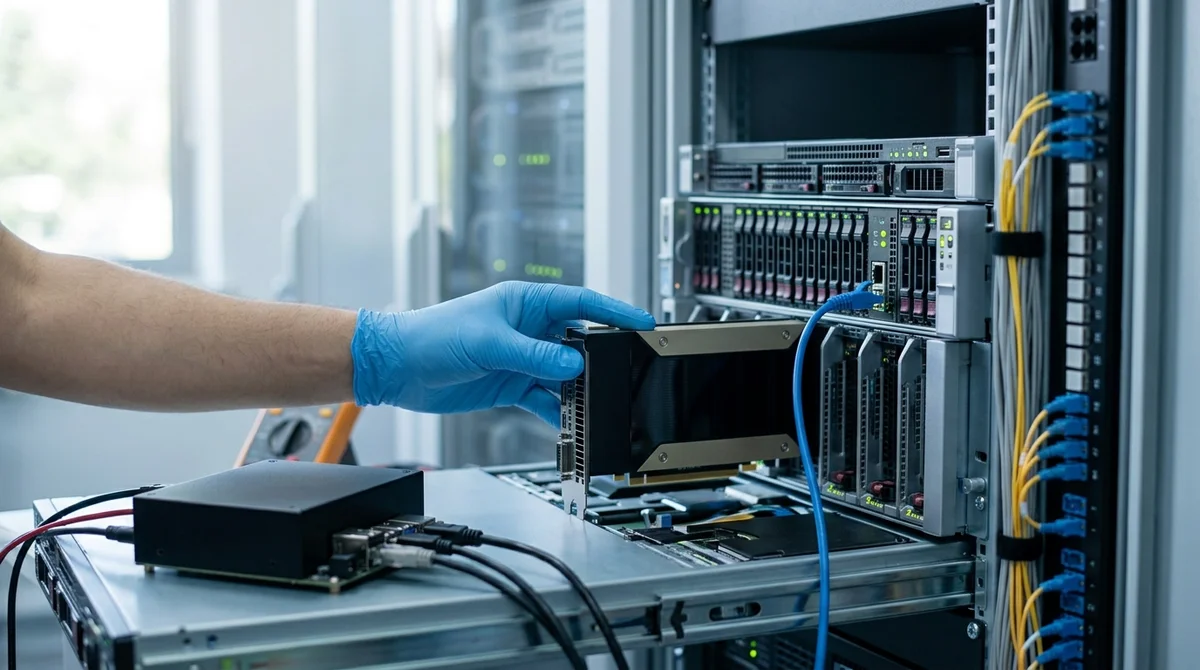
Google Gemma 4 31B reduced to 18.3 GB and run on free Kaggle
The author showed how to quantize Google Gemma 4 31B from 62 GB to 18.3 GB and work around free Kaggle's limit by deleting the Hugging Face cache while the script was running.

NotebookLM vs. the hype around agents: where companies actually benefit from AI
The author explains why the buzz around AI agents still rarely delivers a tangible impact for businesses, while tools like NotebookLM for knowledge management are already bringing real value to companies.

Marusya and Salyut read out unwanted phrases through choices, names, and reminders
Analysis showed that Marusya and Salyut can read out unwanted phrases through built-in functions — choosing between options, memory about friends, and ordinary reminders.

Renga and AI agents: how a domestic BIM platform's API was compared with Revit
A detailed breakdown of the Renga API has been released: the piece explains the platform's overall logic, compares its approach to automation with Revit, and shows an AI agent being connected to a BIM environment.

Beeline Cloud compiled unusual AI benchmarks: from escape rooms to playing "human"
Beeline Cloud compiled the most unusual tests for neural networks: from escaping an escape room and phishing defense to design tournaments and a game where models pose as humans.
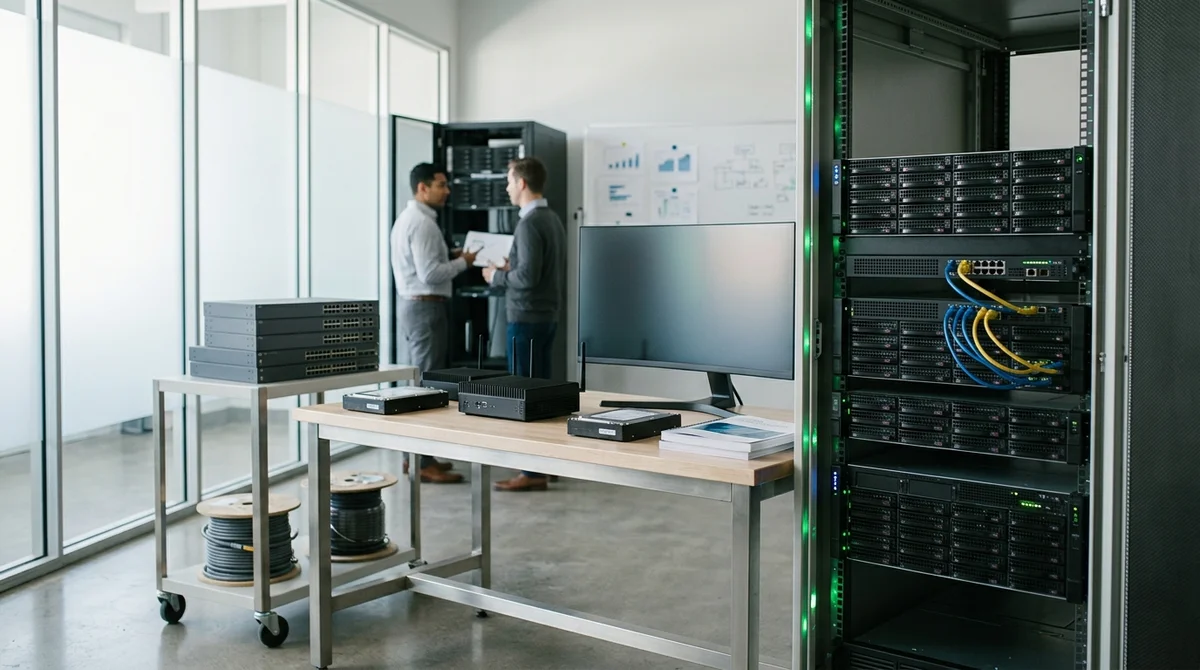
dBrain.cloud integrated LocalAI and Kubeflow into a container platform for enterprise AI
dBrain.cloud showed how it combined LocalAI and Kubeflow in a single container platform and, to support KServe Standard mode, migrated the network layer from Ingress to Gateway API.

hh.ru explained how to design production prompts for AI services without surprises
hh.ru revealed how its team builds prompts for an AI assistant in production: it writes instructions in English, tightly constrains the model, and tests it on large datasets.
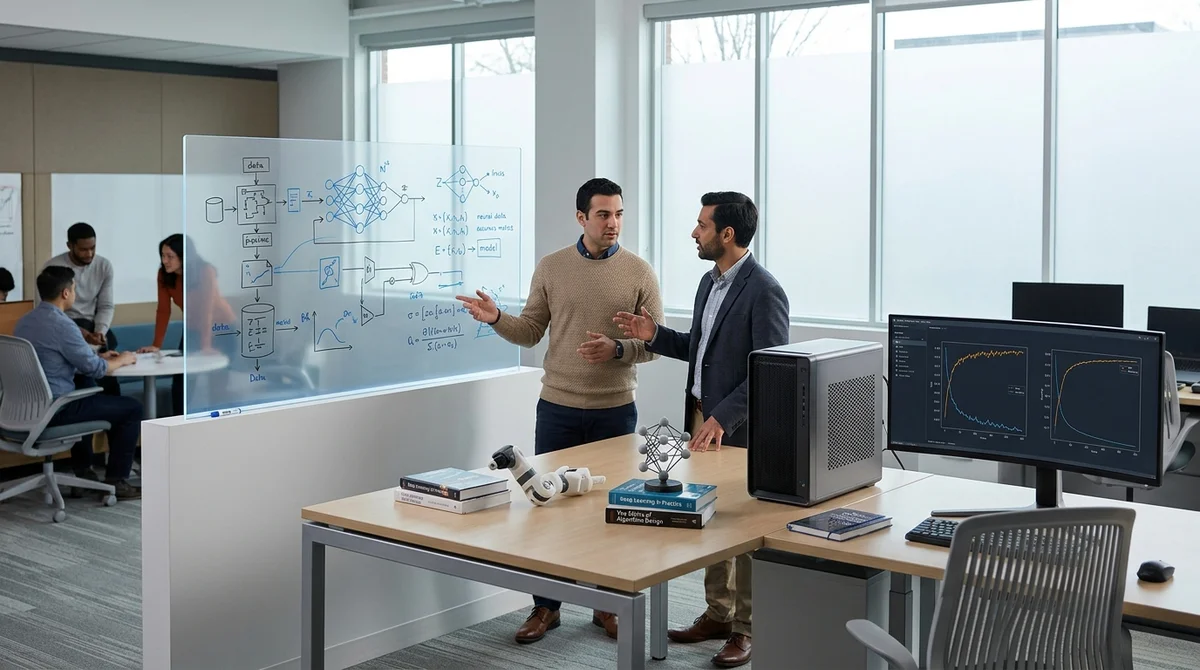
Habr: AI is already moving beyond IT and shaping a distinct professional field
Habr published a column arguing that AI should no longer be seen as just another IT service, but as an independent field with new professions, roles, and its own logic for evaluating work.

OpenClaw is being turned into a personal operating environment for work and business
On Habr, a case study showed how OpenClaw was turned from a model orchestrator into a personal workspace with memory, agents, automations, and strict security rules.
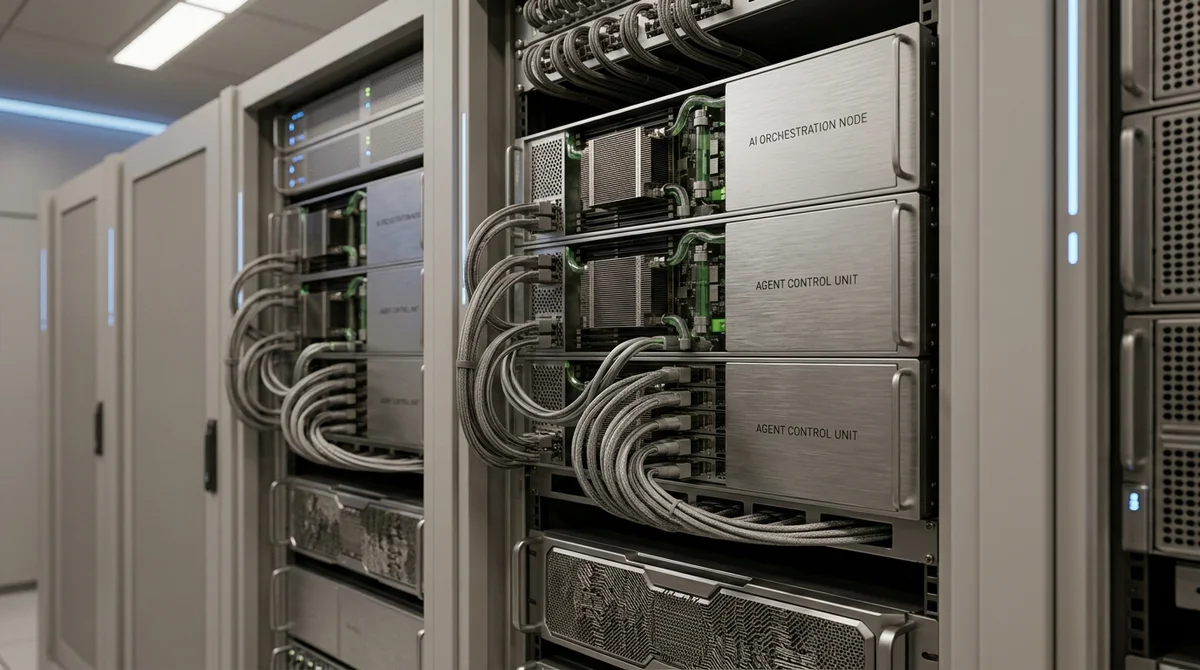
Jensen Huang showed how Nvidia is redefining agentic AI infrastructure
At GTC 2026, Nvidia showed that agentic AI requires not just more GPUs, but a new combination of CPUs, orchestration, agent control, and high-quality enterprise data.

BotHub on Habr presented six prompt patterns for refactoring, tests, and databases
BotHub's blog on Habr published a detailed breakdown of six prompt patterns for developers: from FastAPI refactoring and React tests to Go code auditing and SQL optimization.

Yandex Cloud showed how CatBoost finds hogweed in satellite images
Together with SHAD students and volunteers, Yandex Cloud automated the search for hogweed in satellite images, showing how CatBoost can replace costly manual labeling.

Yandex Practicum: vibe coding puts small businesses and enterprise on equal footing in automation
Yandex Practicum says vibe coding is upending the old economics of automation: tasks that used to require a team and months of development are becoming accessible to small businesses within days or weeks.
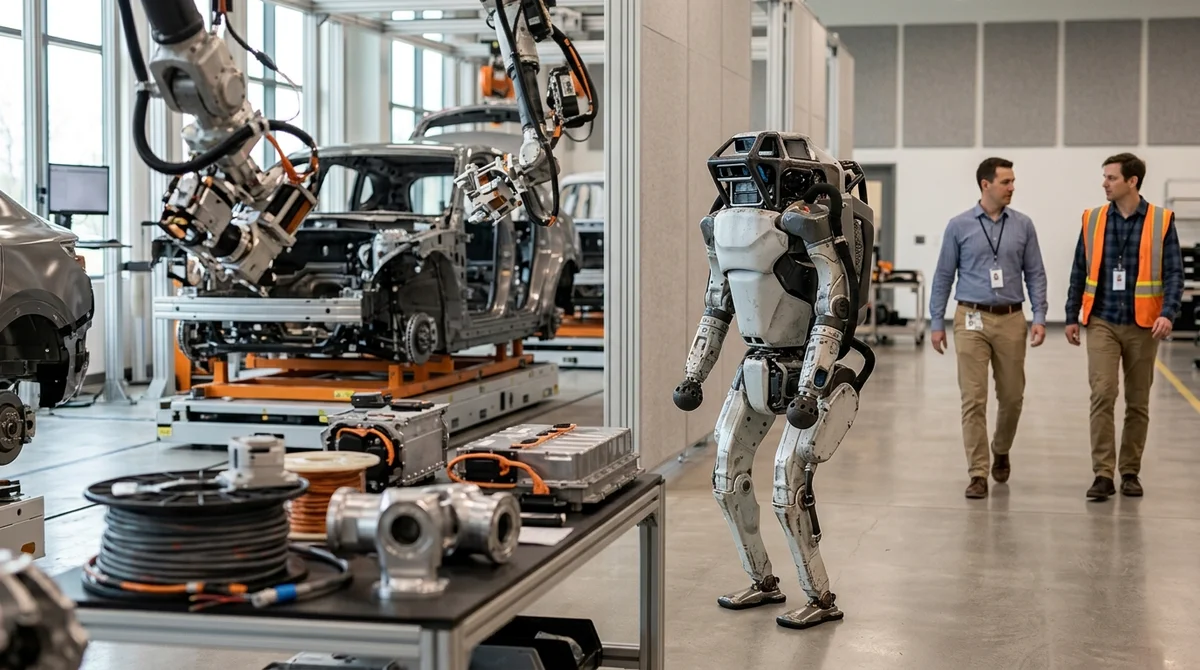
Hyundai brings Atlas to the assembly line: why it managed to turn a robot into a factory tool
Hyundai became the first owner of Boston Dynamics to find an industrial role for Atlas: an electric version, an in-house supply chain and automotive economics put the robot on the path to the assembly line.

Teamly showed how AI turns a corporate knowledge base into ready-to-use training courses
Teamly described how a corporate AI assistant based on an internal knowledge base compiles courses, tests, and onboarding programs, reducing the workload on experts and HR.
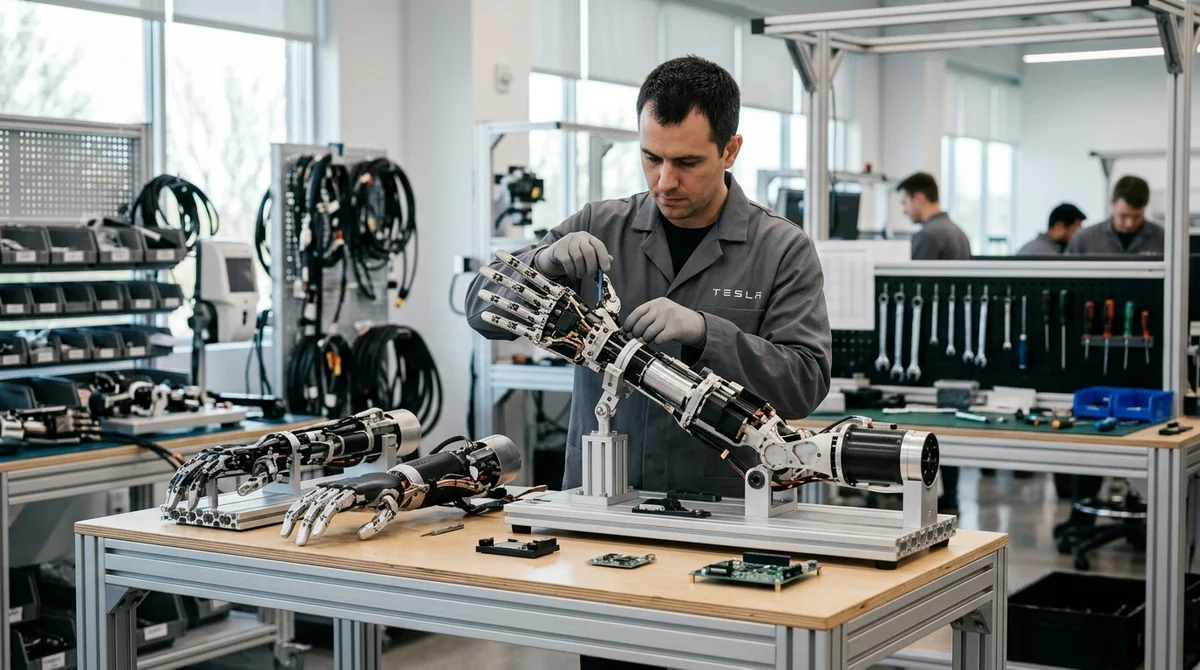
Tesla prepares a serial rollout of Optimus Gen 3 and shows almost human-like robot hands
Tesla unveiled the new hand mechanics of its Optimus humanoid robot, opened dozens of job listings, and began preparing Gen 3 for serial production for factories and its first B2B clients.
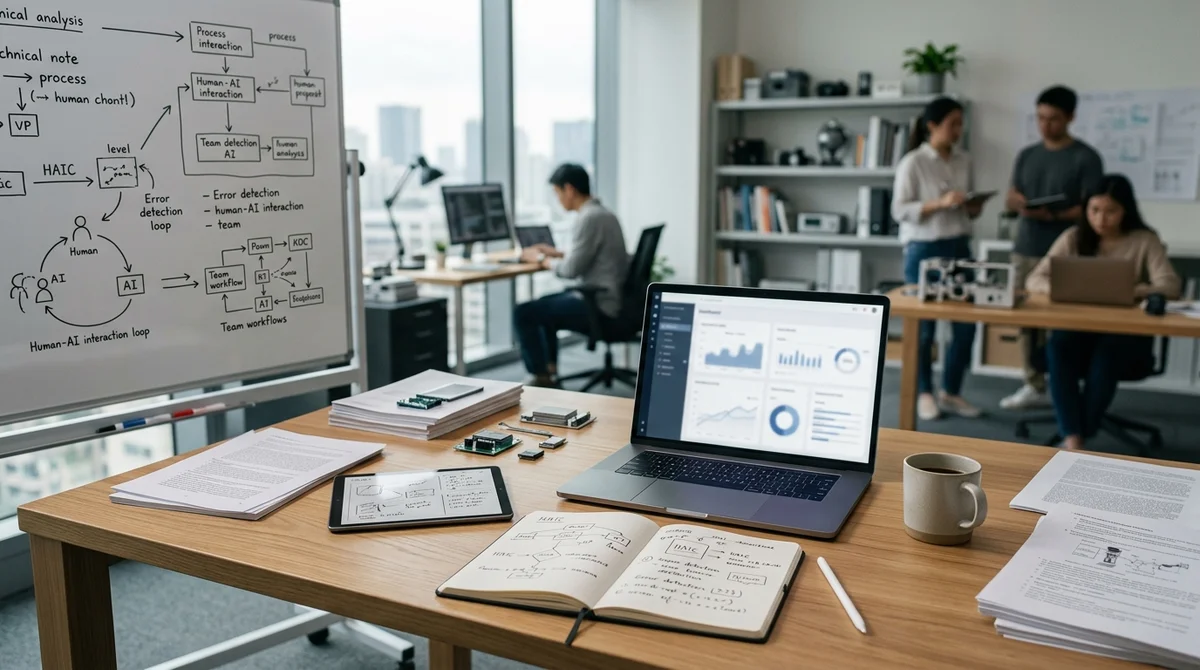
UCL and Stanford researcher explains why AI benchmarks no longer work
Angela Aristidou of UCL and Stanford proposes replacing synthetic AI tests with the HAIC approach, which evaluates AI by its impact on teams, processes, and people’s ability to catch errors.