SpaceX weighs up to $119 billion for Terafab chip fab in Texas
SpaceX plans to build a large chip fab, Terafab, in Texas. Initial investment is $55 billion, and the full amount could reach $119 billion. The plant would make chips for Starlink satellites and xAI supercomputers, giving the company control over its supply chain. The project is still under consideration: SpaceX has not announced an official decision.
AI-processed from TechCrunch; edited by Hamidun News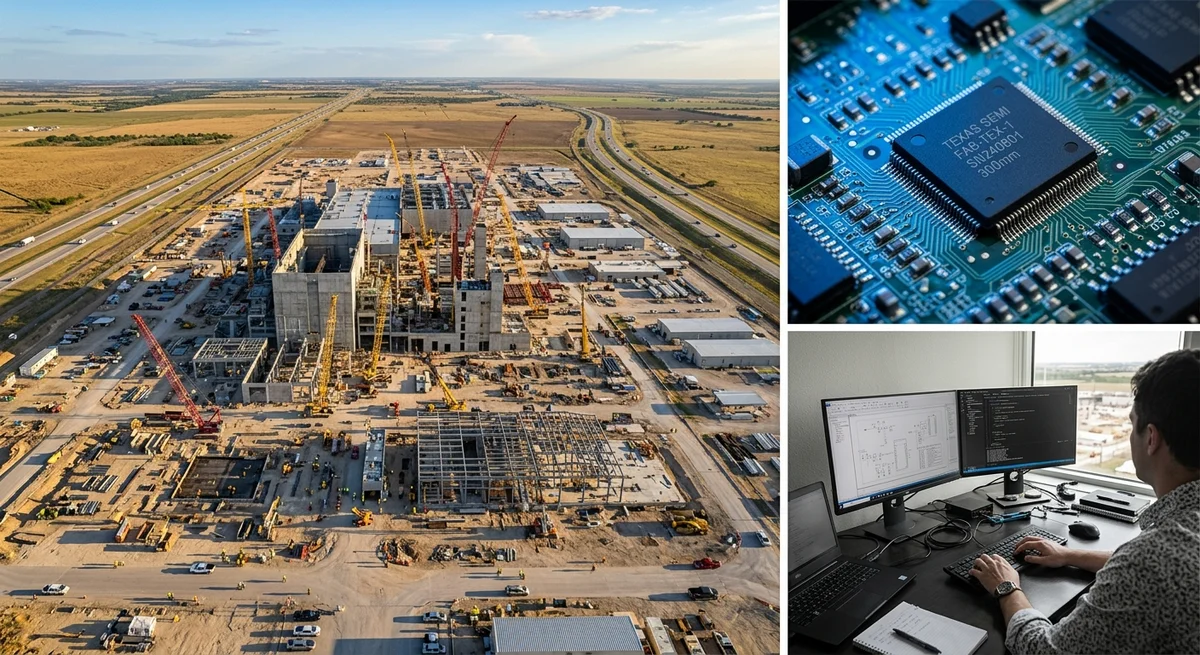
SpaceX is considering building its own semiconductor fab in Texas. According to a filing in Grimes County, the company is prepared to spend $55 billion initially, and total investment could reach $119 billion, making it Musk's largest capital outlay on ground infrastructure.
Scale of the Terafab project
The plant has been given the code name Terafab and would become one of the largest manufacturing sites in the history of American electronics. For comparison: Intel spent roughly $20 billion on its fab in Ohio in 2022, Samsung is investing tens of billions in expanding production in South Korea, and TSMC in Taiwan is building new lines for $40+ billion. At $119 billion, the project would stand alongside the largest infrastructure programs in history.
The initial $55 billion would launch the first production lines (roughly 20-30% of full capacity), with the remaining investment going toward expansion and advanced technologies.
- Initial budget: $55 billion
- Maximum investment: up to $119 billion
- Location: Grimes County, Texas (about 100 km from Houston)
- Code name: Terafab
- Expected size: hundreds of hectares of land
Why SpaceX wants its own fab
SpaceX has two critical consumers of chips: Starlink satellites (more than 6000 in orbit) and xAI supercomputers for training large language models. Dependence on outside suppliers such as TSMC or Samsung creates a vulnerability: a supply chain disruption could halt both projects.
xAI is in a critical position. The company is building giant data centers that require hundreds of thousands of GPUs and specialized AI chips at the same time. Demand for AI accelerators has surged, prices have risen 30-50%, and manufacturers are putting buyers in delivery queues. A fab of its own would give SpaceX control: no delays, no refusals on priority.
It is also a geopolitical move. The federal government supports onshoring of production through the CHIPS Act (more than $50 billion allocated), fearing Taiwan's dominance. SpaceX may be able to count on government subsidies and tax breaks covering part of the costs.
Status and uncertainty
So far this is only under consideration; SpaceX has not announced an official decision. The Grimes County filing signals serious intent, but execution would require approvals from state regulators, federal agencies and environmental commissions, as well as hiring tens of thousands of specialists.
The monetization strategy is unclear: will the fab make chips for third parties, or only for SpaceX and xAI? The first option attracts partners; the second guarantees secrecy. The choice significantly affects profitability.
What this means
Musk is moving toward full vertical integration: rockets, satellites, energy systems, AI models and now chips. If the project goes ahead, it would confirm a philosophy of controlling the entire production cycle. For the industry, it signals another round of concentrating capacity in the hands of tech giants.
- Nov 1, 202616 models tested on 7 search tools: Exa averaged 10.5 out of 14, SearXNG about 3
- Nov 1, 2026OpenAI Rewrites GPT Behavior Rules: Five Values and a Chain of Command
- Oct 29, 2026Gemini 4 Carbon tops independent rankings, but only cyber defenders can use it
- Oct 29, 2026Study: A Single Random Failure Makes AI Agents Abandon a Working Tool 11.6% of the Time
Key Questions Answered
What are the key details on Scale of the Terafab project?
The plant has been given the code name Terafab and would become one of the largest manufacturing sites in the history of American electronics. For comparison: Intel spent roughly $20 billion on its fab in Ohio in 2022, Samsung is investing tens of billions in expanding production in South Korea, and TSMC in Taiwan is building new lines for $40+ billion. At $119 billion, the project would stand alongside the largest infrastructure programs in history. The initial $55 billion would launch the first production lines (roughly 20-30% of full capacity), with the remaining investm
Why SpaceX wants its own fab?
SpaceX has two critical consumers of chips: Starlink satellites (more than 6000 in orbit) and xAI supercomputers for training large language models. Dependence on outside suppliers such as TSMC or Samsung creates a vulnerability: a supply chain disruption could halt both projects. xAI is in a critical position. The company is building giant data centers that require hundreds of thousands of GPUs and specialized AI chips at the same time. Demand for AI accelerators has surged, prices have risen 30-50%, and manufacturers are putting buyers in delivery queues. A fab of its own
What are the key details on Status and uncertainty?
So far this is only under consideration; SpaceX has not announced an official decision. The Grimes County filing signals serious intent, but execution would require approvals from state regulators, federal agencies and environmental commissions, as well as hiring tens of thousands of specialists. The monetization strategy is unclear: will the fab make chips for third parties, or only for SpaceX and xAI? The first option attracts partners; the second guarantees secrecy. The choice significantly affects profitability.
Test Frontier LLMs & Autonomous Agents in One Workspace
Run Claude Opus 5.5, GPT-6, Gemini 3.1, and DeepSeek side-by-side in Nomad AI (nomadnet.ai) — unified model routing, deep research, and multimodal workflows under one subscription.
The AI world, distilled — once a week
Seven stories that actually mattered, hand-picked. No noise, no reposts, no press releases.
Done! Check your inbox for a confirmation.