Algorithms to Optimize Food Subsidies: An Opportunity for the Global South
Researchers at MIT have developed an algorithm to optimize food subsidies in Global South countries. It analyzes data on nutrition and prices to get the most benefit out of aid programs. The approach could significantly improve public health and reduce hunger.
AI-processed from MIT News; edited by Hamidun News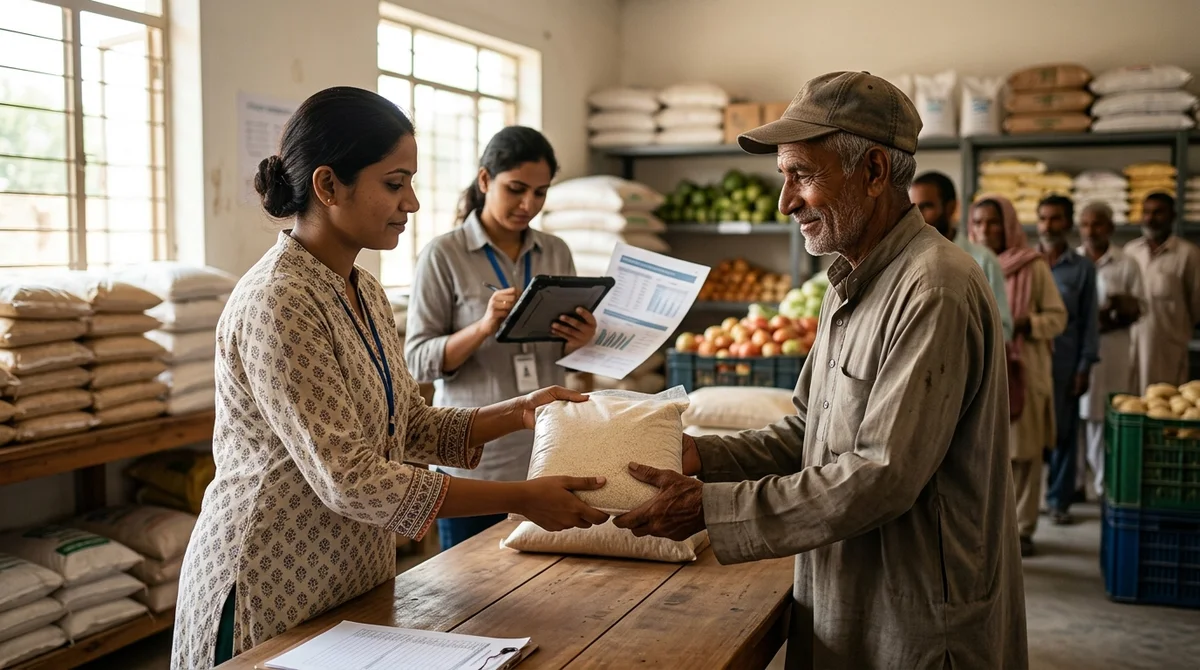
Food subsidies play a critical role in feeding vulnerable populations across the Global South. Yet these programs often fall short, because resources are hard to distribute and the needs of different population groups are hard to account for. A new study from the Massachusetts Institute of Technology (MIT) proposes an innovative, algorithm-based approach to the problem.
Ali Aouad, an assistant professor at MIT and a J-WAFS researcher, has developed an algorithm that analyzes data on nutrition, food prices and the socioeconomic characteristics of a population to identify the best strategies for distributing food subsidies. The algorithm weighs many factors, including the caloric content of foods, the essential micronutrients they contain, and their accessibility for different population groups. This allows aid programs to be tuned more precisely and resources to be directed to where they are needed most.
The algorithm works by building a mathematical model that optimizes the distribution of subsidies under various constraints, such as budget limits and logistical difficulties. It can adapt to changing conditions, for example fluctuating food prices or shifts in a population's demographic makeup. That makes it flexible and applicable in a range of contexts.
One of the key advantages of this approach is the possibility of personalizing food aid. The algorithm can take into account the individual needs of different groups, such as children, pregnant women or older people, and suggest the most suitable foods for them. This helps not only to fight hunger but also to improve overall public health.
Putting such algorithms into practice could have a huge impact on the effectiveness of food aid programs in the Global South. It would allow resources to be used more rationally, reduce hunger and improve the health of millions of people. It may also stimulate local agricultural markets, since the algorithm can be configured to support local producers.
However, deploying such algorithms also comes with difficulties. Access to quality data must be ensured, staff must be trained to work with the algorithm, and reliable monitoring and evaluation mechanisms must be built. Ethical aspects of using algorithms must also be considered, to avoid discrimination and ensure transparency in decision-making.
In conclusion, developing algorithms to optimize food subsidies is a promising direction in the fight against hunger and for better nutrition in the Global South. Successful deployment of such algorithms could significantly raise the effectiveness of aid programs and improve the lives of millions of people.
Test Frontier LLMs & Autonomous Agents in One Workspace
Run Claude Opus 5.5, GPT-6, Gemini 3.1, and DeepSeek side-by-side in Nomad AI (nomadnet.ai) — unified model routing, deep research, and multimodal workflows under one subscription.
The AI world, distilled — once a week
Seven stories that actually mattered, hand-picked. No noise, no reposts, no press releases.
Done! Check your inbox for a confirmation.