Elon Musk Takes the Stand for a Third Day in Court Over OpenAI's Origins
The court case brought by Elon Musk against Sam Altman and OpenAI continues on April 30. After Musk's tense cross-examination, private emails, personal messages and diary entries about the company's early days are surfacing in the case. The court expects more witnesses next, including OpenAI president Greg Brockman, and Altman himself is due to testify later.
AI-processed from Guardian; edited by Hamidun News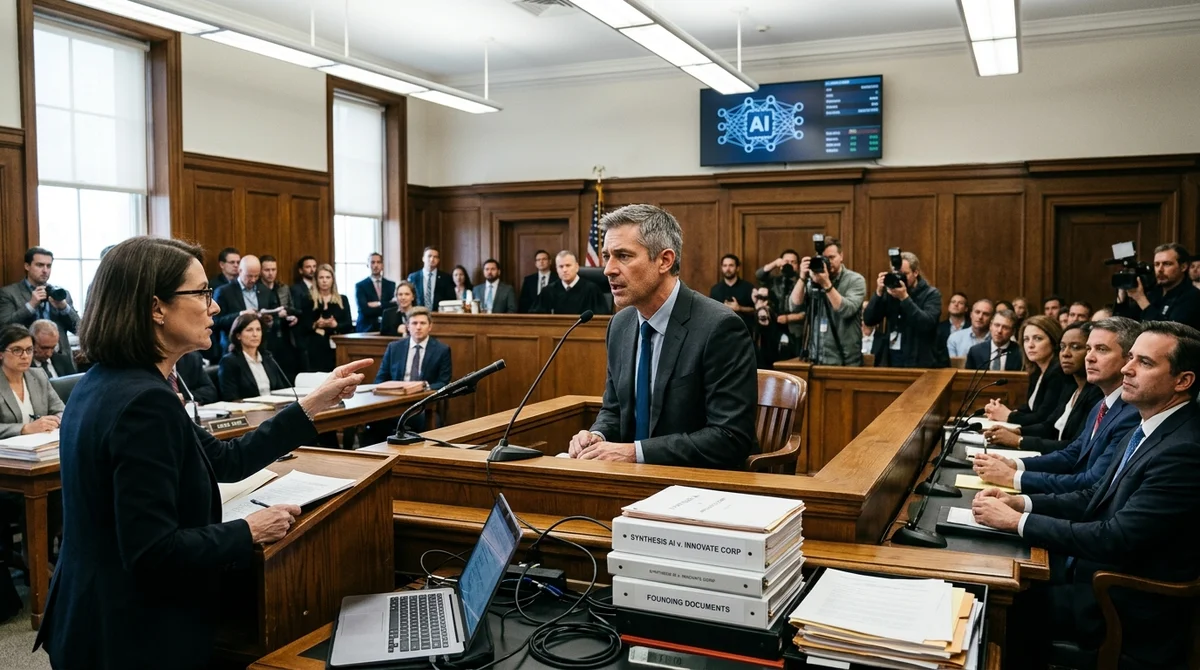
The trial between Elon Musk and Sam Altman over the founding of OpenAI continued on April 30, 2026. After a harsh exchange during Musk's cross-examination, the case is increasingly turning into a public review of how one of the most influential AI companies came to be.
Day three in court
On April 30, Musk is again answering questions in court after a tense session the day before, on April 29. As the trial goes on, OpenAI's lawyers continue cross-examining the Tesla chief, after which Musk's side is due to call new witnesses. Among those expected in the coming sessions is OpenAI president Greg Brockman.
The order matters: the court first records the position of one of the key co-founders, then compares it with the testimony of other participants in the events.
The atmosphere around the case already looks far from routine. According to accounts of the hearing, Wednesday was heated and the exchanges between the sides were sharp. That adds not only drama to the trial but also weight: the dispute is not about secondary details but about exactly how OpenAI was created, who expected what at the start, and why the relationship between Musk and Altman ultimately grew into a protracted conflict.
Private materials come to light
One of the most notable parts of the trial is the documents and personal records that were not public before. Testimony and evidence presented in court have already brought out private emails, text messages and diary entries related to the founding of OpenAI.
For the industry, this is a rare case in which the internal history of a major AI company is examined not through interviews and posts but through primary materials created at the moment decisions were made.
These materials matter beyond the legal teams. They show that behind the public story of mission and technology were ordinary human agreements, expectations and disagreements. In effect, the court is assembling OpenAI's early chronicle from pieces of private communication and turning it into a verifiable legal picture. For the industry, it is a chance to see not a polished legend but the working reality of how a major technology initiative started. This matters especially for market observers.
- private emails help reconstruct the logic of the first agreements
- messages show the tone and dynamics of the relationship between the participants
- diary entries add a personal view of disputed episodes
- witness testimony ties these materials into a single version of events
That is why the trial has already gone beyond an ordinary corporate dispute. It offers a look behind the scenes of the creation of a company that now influences the global AI market, and it also shows how fragile alliances between powerful figures in tech can be. The more of this material becomes public, the harder it is to maintain a smooth version of the past that suits everyone. This is already shaping public opinion of the dispute.
Who is next
The trial is scheduled to last three weeks, which means the most important episodes are still ahead. The witnesses include many prominent figures in the tech industry, and testimony from Sam Altman himself is expected later. Before that, the court is to hear other participants in OpenAI's early history, including Brockman. The more people with direct knowledge of events take the stand, the harder it will be for the parties to hold on to only the version of the past that suits them.
Altman's upcoming appearance is of particular interest. While Musk now answers questions as a co-founder and an opponent of the company, Altman will likely have to explain not only the origins of the conflict but also his own account of how OpenAI's goals, structure and balance of influence changed. For AI market watchers, this may become the climax of the trial, because the dispute long ago moved beyond personal enmity and touches the very legend of the company's origin.
What it means
This trial has become more than a review of an old conflict between Musk and Altman: it is a public audit of OpenAI's origins. Even if a final ruling is still far off, the proceedings themselves change how the company is perceived: instead of a tidy success story, the public sees a collection of personal correspondence, disputed decisions and competing versions of how it all began.
For the AI market, it is a reminder that the biggest technology projects are built not only on ideas and code but also on complicated relationships between people.
- Nov 1, 2026Local models lose to Opus and Codex: 0.21 on a MacBook versus 1.00 for Codex
- Nov 1, 2026Kimi scores 96.2% on a 1C database analytics test and emerges as a fallback if Claude access is blocked
- Nov 1, 2026OpenAI Rewrites GPT Behavior Rules: Five Values and a Chain of Command
- Nov 1, 2026Google admits AI Mode cuts search revenue, shares fall 15%
Key Questions Answered
What are the key details on Day three in court?
On April 30, Musk is again answering questions in court after a tense session the day before, on April 29. As the trial goes on, OpenAI's lawyers continue cross-examining the Tesla chief, after which Musk's side is due to call new witnesses. Among those expected in the coming sessions is OpenAI president Greg Brockman. The order matters: the court first records the position of one of the key co-founders, then compares it with the testimony of other participants in the events. The atmosphere around the case already looks far from routine. According to accounts of the hearing
What are the key details on Private materials come to light?
One of the most notable parts of the trial is the documents and personal records that were not public before. Testimony and evidence presented in court have already brought out private emails, text messages and diary entries related to the founding of OpenAI. For the industry, this is a rare case in which the internal history of a major AI company is examined not through interviews and posts but through primary materials created at the moment decisions were made. These materials matter beyond the legal teams. They show that behind the public story of mission and technology
Who is next?
The trial is scheduled to last three weeks, which means the most important episodes are still ahead. The witnesses include many prominent figures in the tech industry, and testimony from Sam Altman himself is expected later. Before that, the court is to hear other participants in OpenAI's early history, including Brockman. The more people with direct knowledge of events take the stand, the harder it will be for the parties to hold on to only the version of the past that suits them. Altman's upcoming appearance is of particular interest. While Musk now answers questions as a
Test Frontier LLMs & Autonomous Agents in One Workspace
Run Claude Opus 5.5, GPT-6, Gemini 3.1, and DeepSeek side-by-side in Nomad AI (nomadnet.ai) — unified model routing, deep research, and multimodal workflows under one subscription.
The AI world, distilled — once a week
Seven stories that actually mattered, hand-picked. No noise, no reposts, no press releases.
Done! Check your inbox for a confirmation.