Elon Musk accuses Sam Altman of betrayal as trial against OpenAI opens in California
Full hearings have begun in California in Elon Musk's case against OpenAI and Sam Altman. Musk argues that the company drifted from its original nonprofit mission and broke agreements among its co-founders when it moved toward a commercial structure. Both billionaires are expected to testify. The dispute is not only about money, but also about who actually owns the original idea behind OpenAI.
AI-processed from Guardian; edited by Hamidun News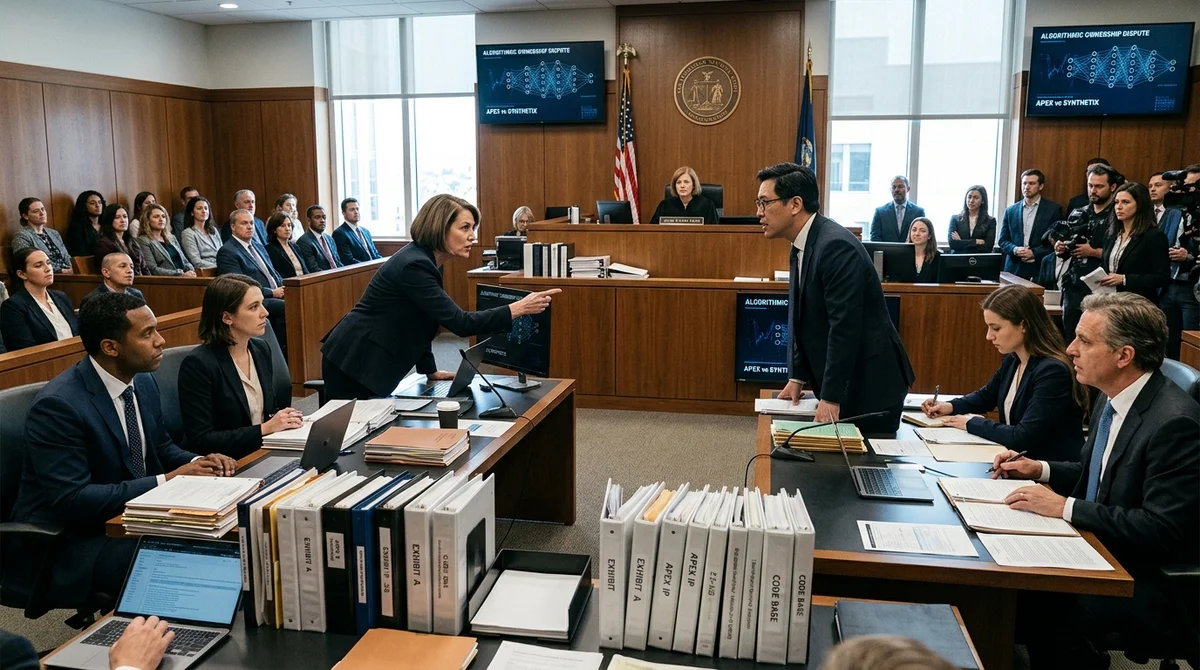
One of the highest-profile trials in the AI industry has begun in California: Elon Musk is suing Sam Altman, Greg Brockman and OpenAI. The dispute is not only about money, but also about whether the company was created as a public-interest project or was headed toward big commercial business from the start.
How the trial began
On 28 April, the parties moved to full opening statements in a California court. Lawyers for Musk and for OpenAI began persuading jurors of their versions of the company's history. In a few years, OpenAI grew from a research organization into one of the most influential centers of AI development.
Besides the two main figures in the conflict, other major figures from the tech industry are expected to testify.
The trial is the culmination of a years-long feud between Musk and Altman that has grown steadily harsher. A dispute that long played out in public posts, interviews and court filings now moves to a format in which each version of events will be examined before a jury. For OpenAI, this is not just another reputational fight but an inquiry into its own origins and how the company changed course.
The interest is understandable: OpenAI sits at the center of the current AI boom, and the trial turns the company's history into a matter of public scrutiny. The court must decide not an abstract conflict between two billionaires, but how far the early principles, statements and agreements of the co-founders should remain binding once a project grows into a structure with billions in investment and enormous influence on the market.
What the claims are
Musk's position is that OpenAI, Sam Altman and company president Greg Brockman violated the co-founders' basic agreement. In his version, the organization was created to benefit humanity, and the shift from a nonprofit model to a profit-oriented structure meant abandoning the original mission. Musk also claims that, amid this turn, his former partners were able to benefit personally from the growth of a company that raised billions of dollars and became an AI giant.
- OpenAI was founded in 2015 as a nonprofit initiative
- Elon Musk left the company in 2018
- OpenAI later began moving toward a commercial structure
- In that time, the company raised billions of dollars
- Musk believes this turn contradicted the original agreements
"He stole a charity," is how the essence of
Musk's accusations against Altman was relayed.
For its part, the OpenAI team is also trying to persuade jurors of its own version of the company's history. The very shape of the case shows that the dispute turns not only on legal details but on the foundations of the project: what exactly the co-founders promised each other, how those promises were worded, and whether they can be considered binding years later, now that OpenAI has become one of the most influential companies in artificial intelligence. That is why the trial depends not only on finances but also on the chronology of decisions, correspondence, and how the parties explained the strategic shift in different years.
What this means
Musk's lawsuit against OpenAI is a stress test for the whole legend of how AI companies are built. If one of the industry's key disputes comes down to where the mission ends and the business begins, the market has entered a phase in which governance agreements, ownership structure and public promises matter no less than the models themselves.
For startups, investors and research teams, it is a reminder: wording about mission and goals in the early days can come back in a company's mature phase and become a matter for the courts, not just PR.
- Nov 1, 2026Local models lose to Opus and Codex: 0.21 on a MacBook versus 1.00 for Codex
- Nov 1, 2026Kimi scores 96.2% on a 1C database analytics test and emerges as a fallback if Claude access is blocked
- Nov 1, 2026OpenAI Rewrites GPT Behavior Rules: Five Values and a Chain of Command
- Nov 1, 2026Google admits AI Mode cuts search revenue, shares fall 15%
Key Questions Answered
How the trial began?
On 28 April, the parties moved to full opening statements in a California court. Lawyers for Musk and for OpenAI began persuading jurors of their versions of the company's history. In a few years, OpenAI grew from a research organization into one of the most influential centers of AI development. Besides the two main figures in the conflict, other major figures from the tech industry are expected to testify. The trial is the culmination of a years-long feud between Musk and Altman that has grown steadily harsher. A dispute that long played out in public posts, interviews an
What the claims are?
Musk's position is that OpenAI, Sam Altman and company president Greg Brockman violated the co-founders' basic agreement. In his version, the organization was created to benefit humanity, and the shift from a nonprofit model to a profit-oriented structure meant abandoning the original mission. Musk also claims that, amid this turn, his former partners were able to benefit personally from the growth of a company that raised billions of dollars and became an AI giant. OpenAI was founded in 2015 as a nonprofit initiative Elon Musk left the company in 2018 OpenAI later began mo
What this means?
Musk's lawsuit against OpenAI is a stress test for the whole legend of how AI companies are built. If one of the industry's key disputes comes down to where the mission ends and the business begins, the market has entered a phase in which governance agreements, ownership structure and public promises matter no less than the models themselves. For startups, investors and research teams, it is a reminder: wording about mission and goals in the early days can come back in a company's mature phase and become a matter for the courts, not just PR.
Test Frontier LLMs & Autonomous Agents in One Workspace
Run Claude Opus 5.5, GPT-6, Gemini 3.1, and DeepSeek side-by-side in Nomad AI (nomadnet.ai) — unified model routing, deep research, and multimodal workflows under one subscription.
The AI world, distilled — once a week
Seven stories that actually mattered, hand-picked. No noise, no reposts, no press releases.
Done! Check your inbox for a confirmation.