Gen Z is using AI in job interviews, and startups are turning it into a business
The class of 2025 is job hunting in the weakest market for junior positions in the past five years, and more candidates are using AI during live interviews. A niche of services is growing fast around the practice: some help candidates phrase answers in real time, others teach them how to get through interviews with AI support. For employers, this is no longer an exotic edge case but a new risk area and a reason to revisit hiring rules.
AI-processed from TNW; edited by Hamidun News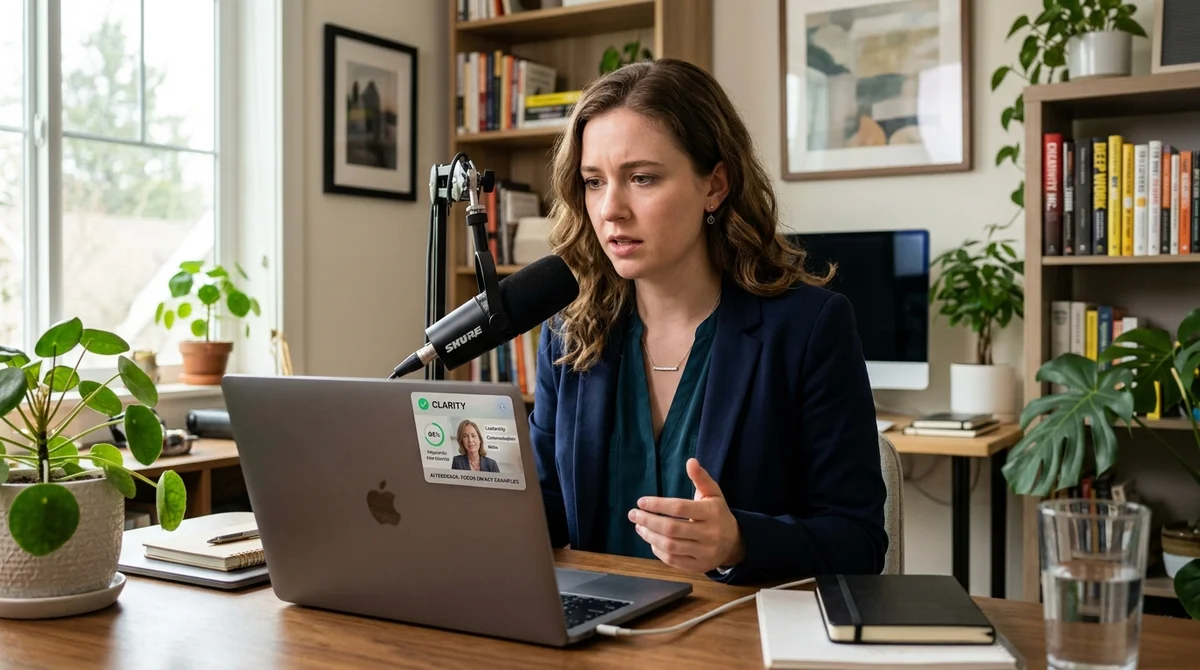
The class of 2025 is entering the labor market at the weakest moment for early-career professionals in the past five years. Against that backdrop, more candidates are plugging AI into live interviews, and a separate market of services is quickly growing around the practice.
A weak start to a career
For new graduates the situation looks harsh: the degree is in hand, but there are fewer entry-level positions, competition is tougher, and even basic roles demand experience that recent students, by definition, do not have. When the market gets like this, any technology that offers even a small chance of appearing more confident stops being a toy and becomes a survival tool. For some young professionals, this is not a question of fashion but of access to a first job.
Hence the candidates' logic, which is easy to follow. If AI helps write résumés, adapt cover letters and prepare for interviews, the next step seems almost inevitable: using it during the conversation itself. In graduates' eyes, this is not a way around the rules but a way to offset an imbalance in a market where the employer starts from a stronger position and can pick from dozens of similar candidates.
AI in the interview
This is not about preparing the day before a call, but about real-time support. Candidates use tools that help them structure an answer quickly, keep their train of thought, recall a good example or adjust their wording to the interviewer's question. Formally, the person is still answering on their own, but a digital assistant now sits between them and the interview, reducing stress and making their speech more composed.
This is where the main dispute begins. To an employer, such support can look like a hidden cheat sheet in an exam: the company wants to understand how a candidate thinks without outside help, how quickly they get their bearings and how they put thoughts into words under pressure. Applicants make a different argument: if AI is already a routine layer of real work, why should it be switched off at the moment of hiring? The line between cheating and a new norm is blurring fast, and the old interview rules no longer seem obvious.
A new startup niche
Once demand appeared, a small industry started to form around it. Startups sell not just access to a model but a specific scenario: how to get through an interview with more confidence, receive prompts unnoticed and reduce the risk of failing on hard questions. Against the backdrop of a weak junior job market, this packaging sounds especially convincing: it promises not abstract "AI help" but a real chance of not blowing the call that decides a first offer.
- Real-time prompts and answer structuring
- Pre-interview practice with simulated questions
- Analysis of job postings and the expectations of a specific role
- Help with wording for technical and behavioral sections
- Services that disguise AI as "unnoticeable support"
The problem is that the market for such tools is growing faster than hiring rules. Companies do not yet have a shared answer on where acceptable preparation ends and unfair advantage begins. Bans alone will not be enough: detecting AI support in a video call is hard, and blocking it completely is almost impossible. So employers will likely have to change the mechanics of the interview itself, emphasizing follow-up questions, discussion of real experience and consistency of thinking, not just smoothly worded answers.
What this means
AI has reached yet another sensitive stage: the first hire. Graduates use it to improve their odds in a weak market, and startups are turning that anxiety into a product. The debate will shift from "is it acceptable to do this?" to "how do we now measure a candidate's real suitability at all?"
- Nov 1, 2026Pika Labs releases open video model H3 Flex: 6 steps instead of 50
- Nov 1, 2026Google's StreamVibe video agent beats other models by 10.7% on response timing and quality
- Oct 31, 2026AI cartoon series: a 24-second episode built ten ways, the best cost 162 credits
- Oct 31, 2026Anthropic: Fold Subagents Back Into a Single Loop — One Customer's Tasks Ran Twice as Fast
Key Questions Answered
What are the key details on A weak start to a career?
For new graduates the situation looks harsh: the degree is in hand, but there are fewer entry-level positions, competition is tougher, and even basic roles demand experience that recent students, by definition, do not have. When the market gets like this, any technology that offers even a small chance of appearing more confident stops being a toy and becomes a survival tool. For some young professionals, this is not a question of fashion but of access to a first job. Hence the candidates' logic, which is easy to follow. If AI helps write résumés, adapt cover letters and pre
What are the key details on AI in the interview?
This is not about preparing the day before a call, but about real-time support. Candidates use tools that help them structure an answer quickly, keep their train of thought, recall a good example or adjust their wording to the interviewer's question. Formally, the person is still answering on their own, but a digital assistant now sits between them and the interview, reducing stress and making their speech more composed. This is where the main dispute begins. To an employer, such support can look like a hidden cheat sheet in an exam: the company wants to understand how a ca
What are the key details on A new startup niche?
Once demand appeared, a small industry started to form around it. Startups sell not just access to a model but a specific scenario: how to get through an interview with more confidence, receive prompts unnoticed and reduce the risk of failing on hard questions. Against the backdrop of a weak junior job market, this packaging sounds especially convincing: it promises not abstract "AI help" but a real chance of not blowing the call that decides a first offer. Real-time prompts and answer structuring Pre-interview practice with simulated questions Analysis of job postings and
Ship AI Faster with Founders, Engineers & Weekly Architecture Reviews
Inside Vibe Club (hamidun.com/club) — weekly live masterminds with Zhemal Khamidun, Tech Radar, full LMS access, and 370+ production Claude Code skills.
The AI world, distilled — once a week
Seven stories that actually mattered, hand-picked. No noise, no reposts, no press releases.
Done! Check your inbox for a confirmation.