Waymo raises $16 billion: robotaxis now outvalue carmakers
Waymo has moved into the big leagues, closing a $16 billion funding round. The company is now valued at $126 billion, roughly comparable to the combined market capitalization of Ford and General Motors. The round drew the elite of the venture world. Besides parent company Alphabet, Andreessen Horowitz (a16z), Sequoia, Tiger Global and Silver Lake took part. The signal is clear: the experimental era is over and the fight for global scale begins. Alphabet no longer wants to carry all the risk alone, and investors are betting that Waymo will become the industry standard.
AI-processed from 36Kr (36氪); edited by Hamidun News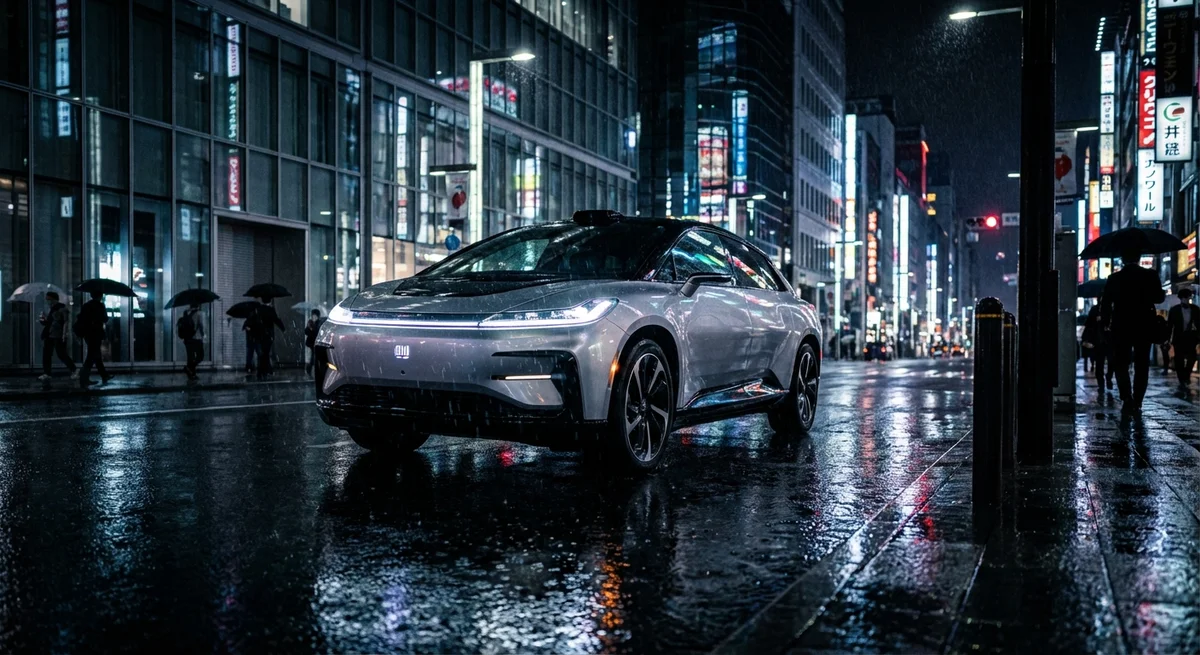
Sixteen billion dollars. Let that number sink in. This is not the valuation of the whole company; it is the size of the check investors have just written to Waymo. If you thought the hype around self-driving cars had faded after rivals' troubles, Alphabet has just proved otherwise in the most convincing way possible: with money.
After this round closes, Waymo is valued at $126 billion. To grasp the scale of the problem for the traditional auto industry: this puts a developer of software and sensors above most of the automotive giants that have been stamping out hardware for a hundred years. The robotaxi business has stopped being a "promising startup" inside Google and has become a titan able to swallow the budgets of small states.
The list of those who put money into this round reads like the guest list of a closed-door party in Davos. Besides Alphabet itself, which keeps believing in its creation, the round included Dragoneer, DST Global, Sequoia, Andreessen Horowitz (a16z), Mubadala, Silver Lake, Tiger Global and Temasek. This is so-called "smart money." When such funds enter a late-stage project with checks of this size, they are not playing the lottery. They are counting on an IPO and market dominance.
Why does this matter right now? The past year has been, to put it mildly, turbulent for autonomous driving. Cruise (GM's subsidiary) stumbled over safety and licensing problems, Apple quietly buried its Titan project, and Tesla is still feeding us promises of "full self-driving next year." Against that backdrop, Waymo looks like the only adult in the room. It has rolled out its service in San Francisco, Phoenix and Los Angeles slowly but steadily, avoiding loud scandals.
Bringing in outside investors of this caliber is a strategic move by Alphabet. First, it is validation. When only Google pours money into Waymo, it can be written off as a corporate hobby. When Sequoia and a16z invest, it is a business. Second, it spreads the risk. Scaling a robotaxi fleet demands colossal capital expenditure (CAPEX), and even Google's money printer is not infinite.
Now Waymo has a giant war chest to outpace competitors technologically and geographically. Expect aggressive expansion into new cities and, possibly, licensing of its technology to other automakers that have realized they cannot write such software themselves.
The bottom line: Waymo has effectively declared victory in the technology race. With $16 billion in the bank, it can survive any crisis and wait for competitors to burn out. Only one question remains: when will we see a WAYMO ticker on the stock exchange?
- Nov 2, 2026Bun creator uses Claude Code to port 750K lines from Zig to Rust in 11 days
- Nov 2, 2026The Verge reviewer builds a $50 Meta Muse Charm alternative with Claude Code
- Nov 1, 202616 models tested on 7 search tools: Exa averaged 10.5 out of 14, SearXNG about 3
- Nov 1, 2026Google's StreamVibe video agent beats other models by 10.7% on response timing and quality
Ship AI Faster with Founders, Engineers & Weekly Architecture Reviews
Inside Vibe Club (hamidun.com/club) — weekly live masterminds with Zhemal Khamidun, Tech Radar, full LMS access, and 370+ production Claude Code skills.
The AI world, distilled — once a week
Seven stories that actually mattered, hand-picked. No noise, no reposts, no press releases.
Done! Check your inbox for a confirmation.