Mobileye sold self-driving tech for 25 years. Now it is launching its own robotaxis
Mobileye, which for 25 years has supplied automakers with cameras, chips and software for driver assistance and autonomous driving, has announced its own robotaxi service. Its technology is installed in 230 million vehicles worldwide, yet the company has never sat behind the wheel itself. On June 16, 2026, that changed: the Jerusalem-based firm is moving from supplier to operator. For a company that deliberately avoided this role, the decision is a strategic U-turn. Mobileye will need new skills, including dispatching, customer service, insurance and dealing with city authorities and regulators.
AI-processed from TNW; edited by Hamidun News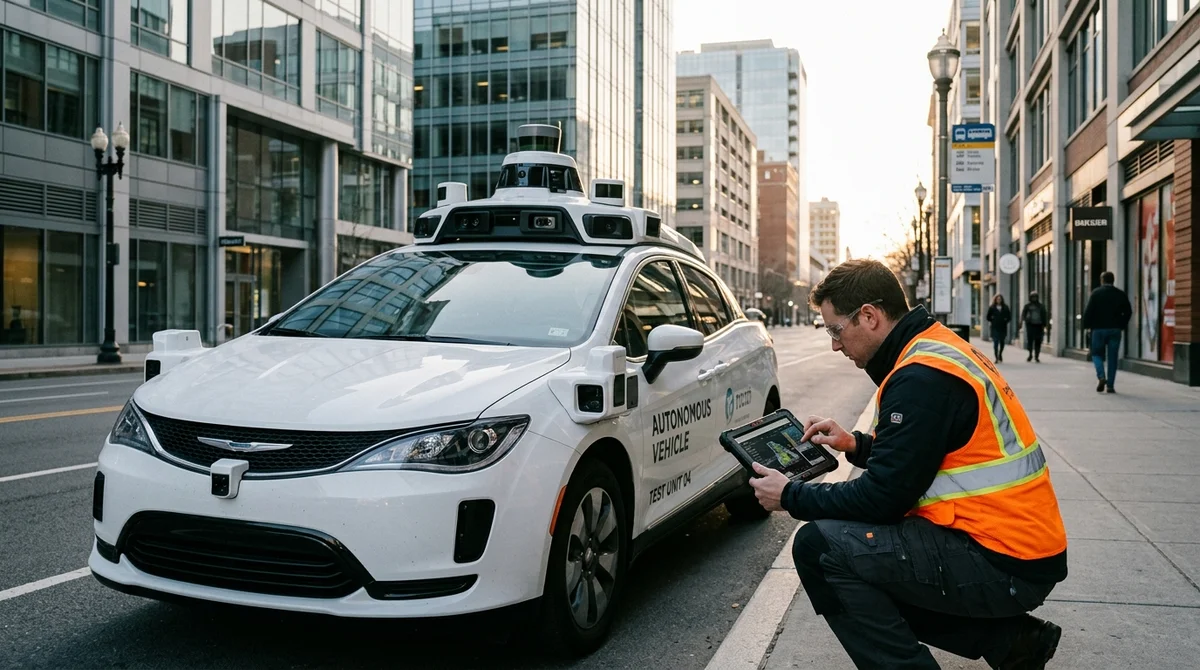
Mobileye, which for 25 years has supplied carmakers with cameras, chips and software for autonomous driving, has announced a move into an entirely new niche: it intends to launch its own robotaxi service.
The supplier becomes the operator
For a quarter of a century, Jerusalem-based Mobileye followed a clear strategy: sell technology and stay out of the transportation business. The supplier model worked flawlessly. The company equipped hundreds of partners worldwide with driver-assistance systems, from German premium groups to Chinese mass-market manufacturers. Its EyeQ processors are built into dozens of car models that drive every day on roads across six continents.
On June 16, Mobileye announced a change of course. The company plans to operate a fleet of driverless taxis itself: not just to sell the "brain" for a car, but also to run the rides, deal with passengers and work with city infrastructure. For a company that deliberately avoided this role, the decision is a strategic U-turn.
Where the confidence comes from
Mobileye has an asset most competitors lack: its technology is installed in more than 230 million cars. That means years of data on real-world driving behavior across countries, climates and urban scenarios. Mobileye's algorithms have "seen" road situations that many startups still simulate in virtual tests.
- 25 years of work in computer vision and machine learning
- Its own EyeQ chips, optimized for autonomous driving tasks
- Partnerships with dozens of automakers worldwide, including BMW, Volkswagen, SAIC and others
- Proven algorithms for recognizing pedestrians, lane markings and obstacles
- A large store of real-world traffic data from hundreds of millions of vehicles
All of this is a foundation built over decades, one that a startup starting from scratch cannot reproduce with a few years of venture funding.
Competition in an overheated market
The market Mobileye is entering is already crowded. Alphabet's Waymo carries paying passengers in several American cities. Baidu Apollo operates in China. Tesla has announced the Cybercab and its own robotaxi network. Amazon is developing Zoox. Each of these players has spent billions on building fleets, refining operations and obtaining licenses.
Mobileye is taking a different approach: instead of building cars from scratch, it is turning its accumulated technological expertise into an operating business. That is potentially a less capital-intensive path, but it demands entirely new competencies: dispatching, customer service, insurance, and dealings with city authorities and regulators. This is exactly where Mobileye has no proven track record.
What it means
Mobileye's move into robotaxis erases a line that long looked clear in the industry: some companies build the technology, others operate it. If the company can monetize its 25-year technological head start, it could significantly reshape the balance of power in autonomous transport, and show that a component supplier can become a full-fledged service operator.
- Oct 31, 2026Worldwide Express hands disputed invoices to AI agents and cuts unresolved disputes by 75%
- Oct 30, 2026AWS gives coding agents a live site preview straight from an isolated session
- Oct 30, 2026MoEngage Opens 400 Private APIs to AI Agents Through AgentCore Gateway, Without Building Its Own MCP Servers
- Oct 29, 2026NVIDIA Nemotron 3.5 Super VL: 120B Parameters, 12B Active, Running on AWS
Key Questions Answered
What are the key details on The supplier becomes the operator?
For a quarter of a century, Jerusalem-based Mobileye followed a clear strategy: sell technology and stay out of the transportation business. The supplier model worked flawlessly. The company equipped hundreds of partners worldwide with driver-assistance systems, from German premium groups to Chinese mass-market manufacturers. Its EyeQ processors are built into dozens of car models that drive every day on roads across six continents. On June 16, Mobileye announced a change of course. The company plans to operate a fleet of driverless taxis itself: not just to sell the "brain
Where the confidence comes from?
Mobileye has an asset most competitors lack: its technology is installed in more than 230 million cars. That means years of data on real-world driving behavior across countries, climates and urban scenarios. Mobileye's algorithms have "seen" road situations that many startups still simulate in virtual tests. 25 years of work in computer vision and machine learning Its own EyeQ chips, optimized for autonomous driving tasks Partnerships with dozens of automakers worldwide, including BMW, Volkswagen, SAIC and others Proven algorithms for recognizing pedestrians, lane markings
What are the key details on Competition in an overheated market?
The market Mobileye is entering is already crowded. Alphabet's Waymo carries paying passengers in several American cities. Baidu Apollo operates in China. Tesla has announced the Cybercab and its own robotaxi network. Amazon is developing Zoox. Each of these players has spent billions on building fleets, refining operations and obtaining licenses. Mobileye is taking a different approach: instead of building cars from scratch, it is turning its accumulated technological expertise into an operating business. That is potentially a less capital-intensive path, but it demands en
Build & Ship Production AI Agents Without Boilerplate Code
Start your free 72-hour trial at Hamidun Academy (academy.hamidun.com) — interactive lessons on Claude Code & Cursor, live Tech Radar, and production agent templates.
The AI world, distilled — once a week
Seven stories that actually mattered, hand-picked. No noise, no reposts, no press releases.
Done! Check your inbox for a confirmation.