Reasoning Models
Reasoning models are a new class of AI that "thinks" before answering: spending extra compute at inference time, building chains of thought and solving problems ordinary LLMs cannot — math, code, science. They kicked off the test-time-compute race. Here is all our coverage of reasoning models: releases, benchmarks (GPQA, ARC-AGI), limits and cost.



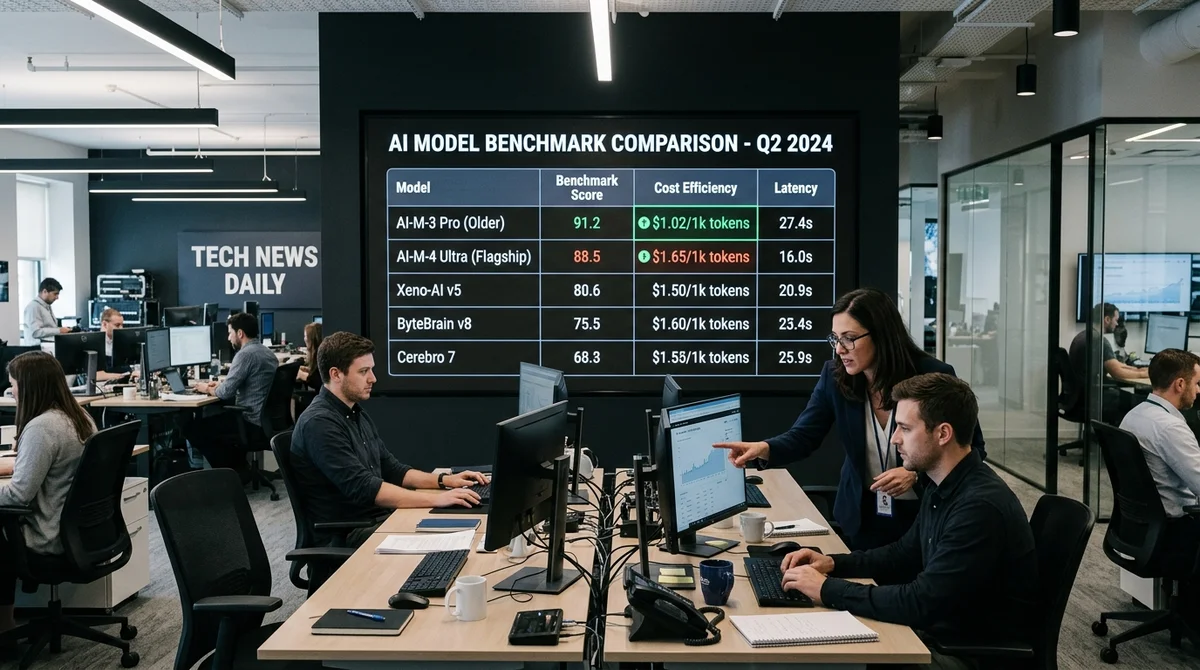
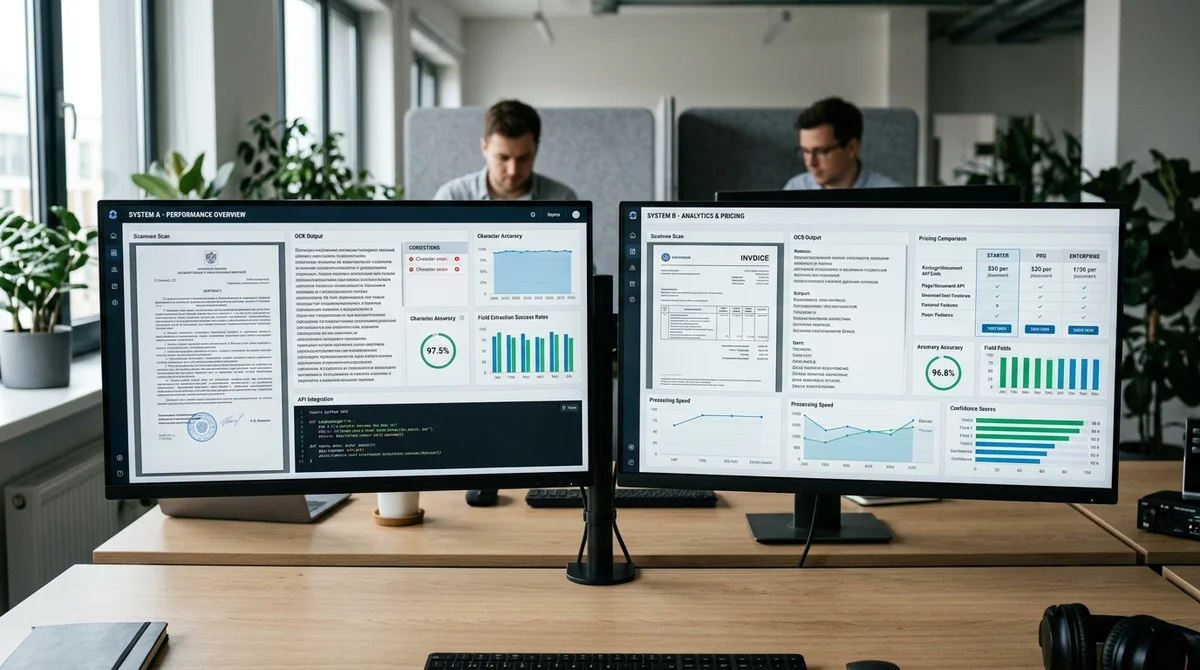
DeepSeek V4 Pro vs Claude Sonnet 4.6 on 50 real tasks: where to save, where the risk lies
A test of 50 real-world tasks by a Russian developer showed that DeepSeek V4 is noticeably cheaper than Claude Sonnet 4.6, but makes more errors in calculations…
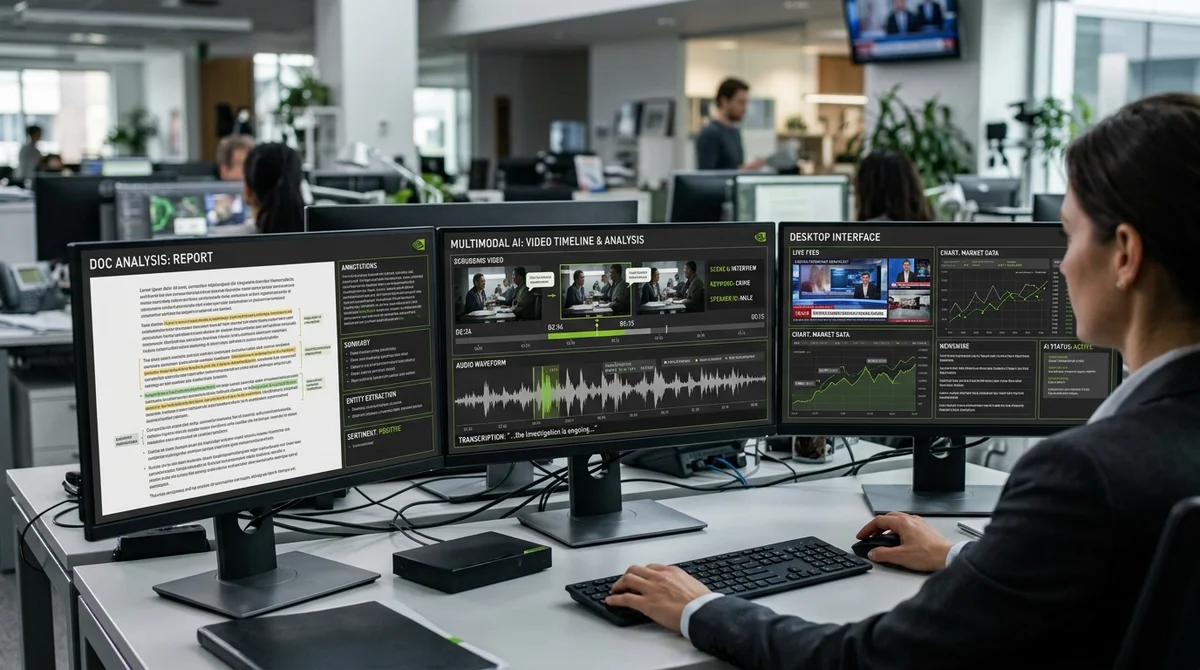
NVIDIA Introduced Nemotron 3 Nano Omni for Long Documents, Audio, Video, and AI Agents
NVIDIA introduced Nemotron 3 Nano Omni — an open multimodal model for long documents, audio, video, and GUI scenarios with emphasis on speed and context.
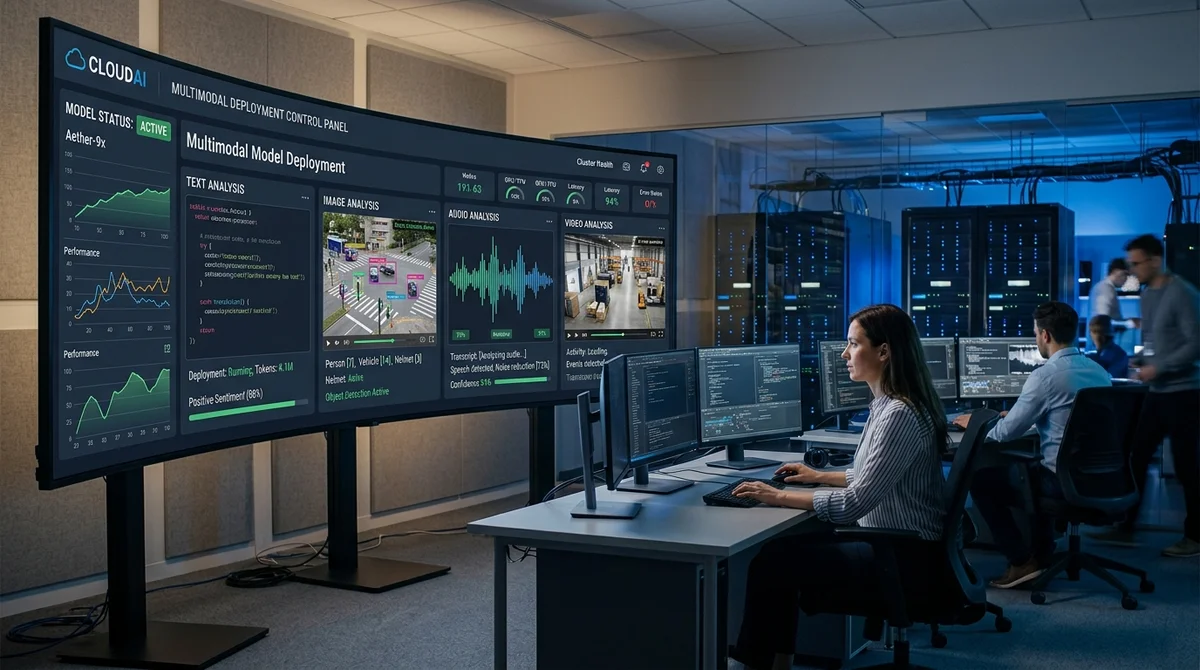
NVIDIA Releases Nemotron 3 Nano Omni on Amazon SageMaker JumpStart on Release Day
NVIDIA added Nemotron 3 Nano Omni to Amazon SageMaker JumpStart on release day to enable companies to quickly deploy multimodal AI scenarios for text, images…

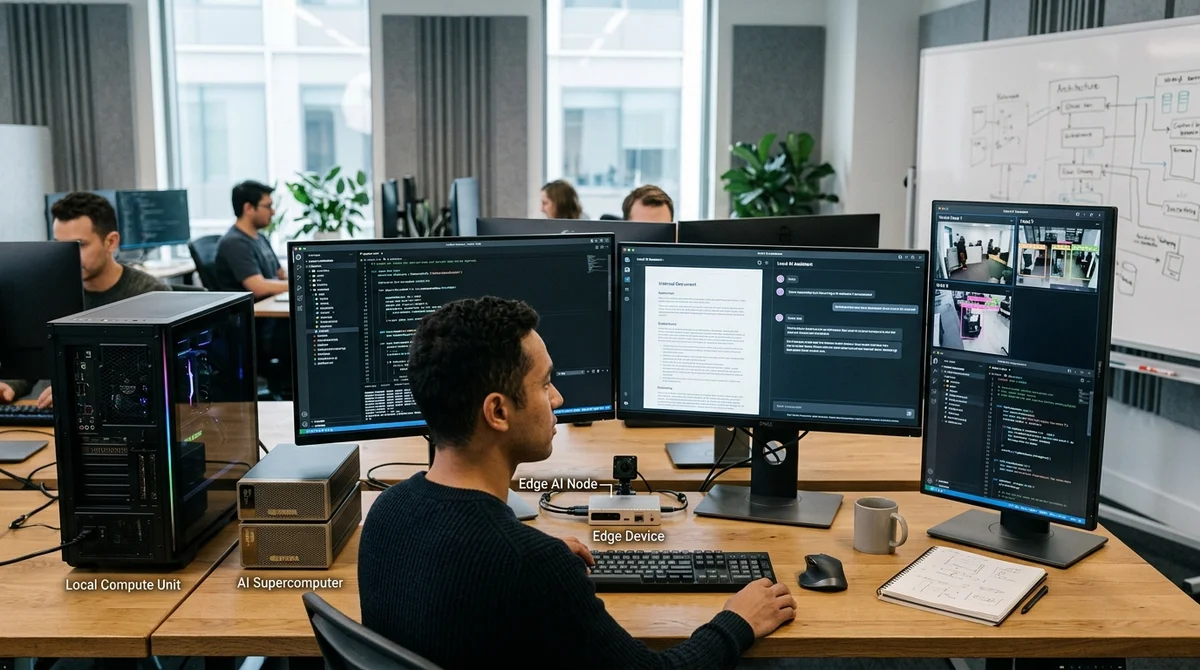
Google Gemma 4, NVIDIA, and OpenClaw: Local AI Agents Without Per-Token Billing

Flant: How a Go Developer Turned Zed and Gemini into a Useful AI Agent

Arcee AI Released Trinity Large Thinking — Open Reasoning Model for AI Agents

Z.AI showed how to build production-ready agentic systems on GLM-5 with tool calling
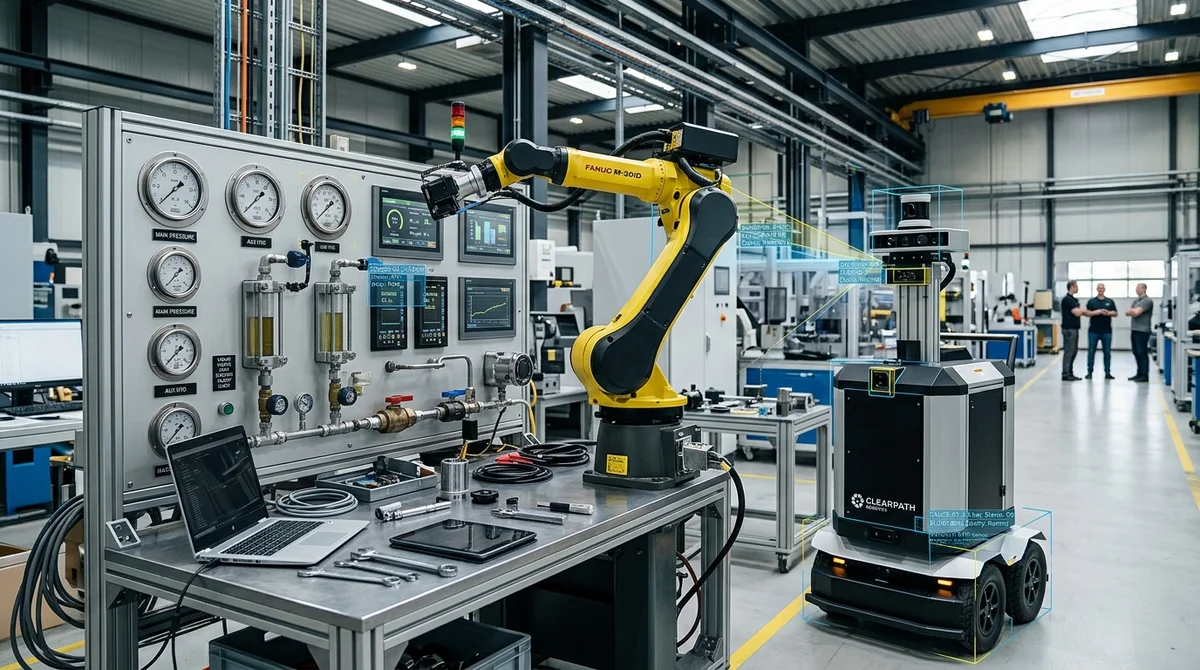
Google DeepMind Introduces Gemini Robotics-ER 1.6 for Autonomous Real-World Tasks
Google DeepMind released Gemini Robotics-ER 1.6 — a robot model with improved spatial reasoning, multi-camera analysis, and industrial gauge reading capabilities.
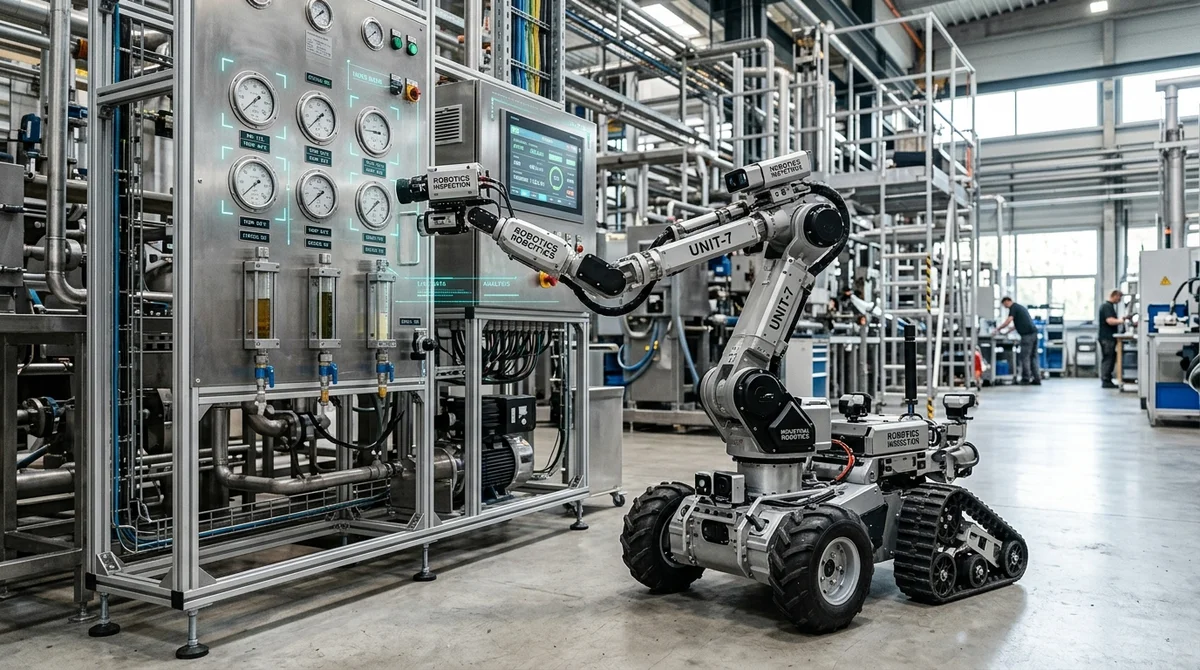
Google DeepMind Presents Gemini Robotics-ER 1.6 for Robot Autonomy and Instrument Reading
Google DeepMind updated Gemini Robotics-ER to version 1.6: a model for robots that better understands space, handles multiple video streams, and can read complex…
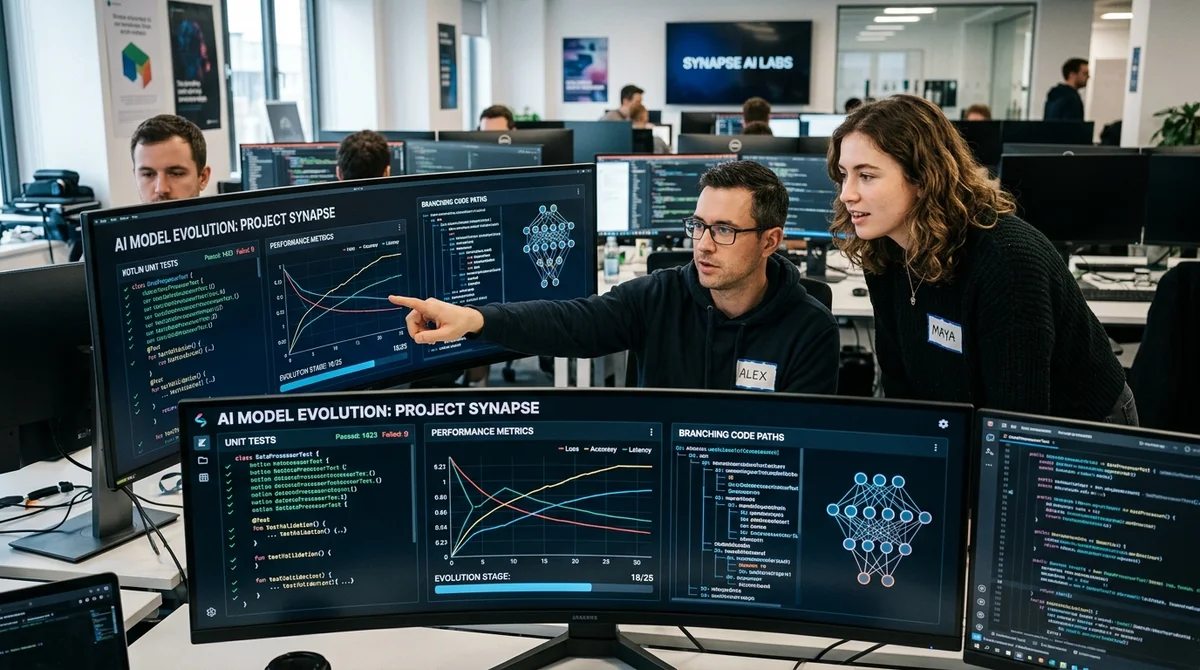

Claude and Qwen Omni: How a Developer Integrated Video Analysis into a Production Pipeline

MarkTechPost broke down the complete training cycle of large language models: from data to deployment

Why OpenAI, Google, and Anthropic models become more convincing but make mistakes more often

Claude Sonnet Helps C-Suite Build AI Director for Critical Decisions in 8 Hours





MIT researchers teach AI to honestly say "I'm not sure" and hallucinate less
MIT researchers proposed a training method that forces language models to more accurately assess their own confidence and deliver fewer confident but false answers.
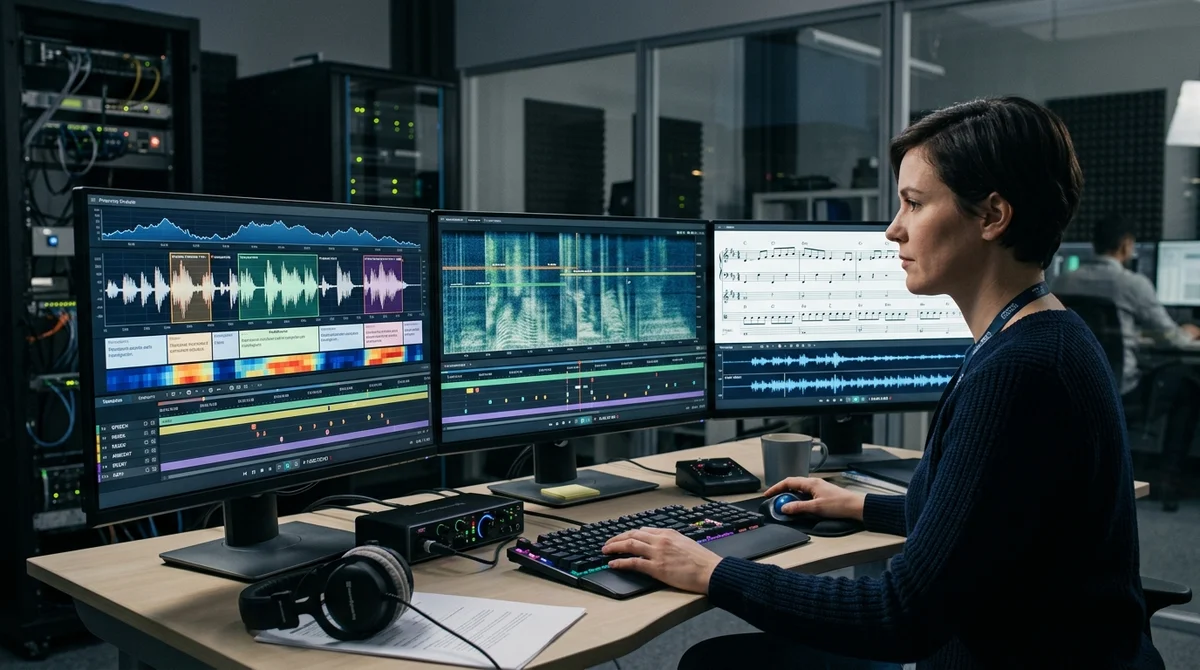
OpenMOSS releases MOSS-Audio — an open audio model that outperforms larger alternatives
OpenMOSS introduced MOSS-Audio — an open model that understands speech, music, and ambient sounds in a single architecture and outperforms significantly larger…