MarkTechPost
AI news source. Articles are auto-selected and adapted by Hamidun News editors.
Latest publications

Kimi K2.7-Code coding model: +21.8% accuracy
Moonshot AI has open-sourced Kimi K2.7-Code, an agentic coding model with a 256K context window and about 30% fewer reasoning tokens than K2.6.

TTS Models in 2026: Comparing Commercial and Open-Source Options
In 2026, choosing a TTS model comes down to three factors: audio quality, processing latency and cost. Commercial tools win on naturalness; open models win on control and price.

StepFun unveils Step 3.7 Flash, a 198-billion-parameter vision-language model
StepFun has released Step 3.7 Flash, a new 198-billion-parameter multimodal model with built-in vision, a 256K-token context window, and an Advisor mode for coding agents.
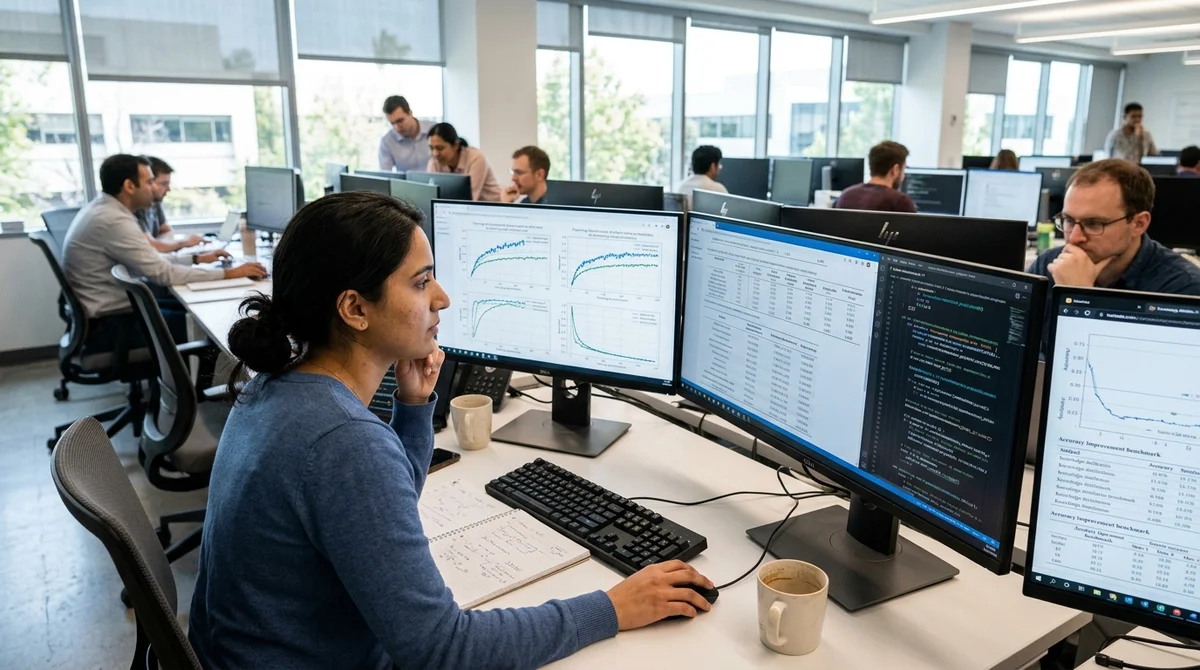
NVIDIA X-Token: A Distillation Method That Beats GOLD by 3.82 Points
NVIDIA has released X-Token, a knowledge distillation method for small models (Llama-3.2-1B) that beats GOLD by 3.82 points and lifts math accuracy from 2.56% to 15.54%.

AgentTrove: How to Use a 1.7M-Trace Agent Dataset in Python
AgentTrove is the largest open collection of agent interaction traces: 1.7 million examples in ShareGPT format. A Python tutorial shows how to stream the data, normalize agent actions and prepare a fine-tuning dataset.

Nous Research ships Tool Search for Hermes Agent, lifting accuracy 49–74% on Opus 4
Nous Research tackles MCP context bloat with smart tool search. The system loads only relevant schemas and raises accuracy by tens of percent on Opus 4.
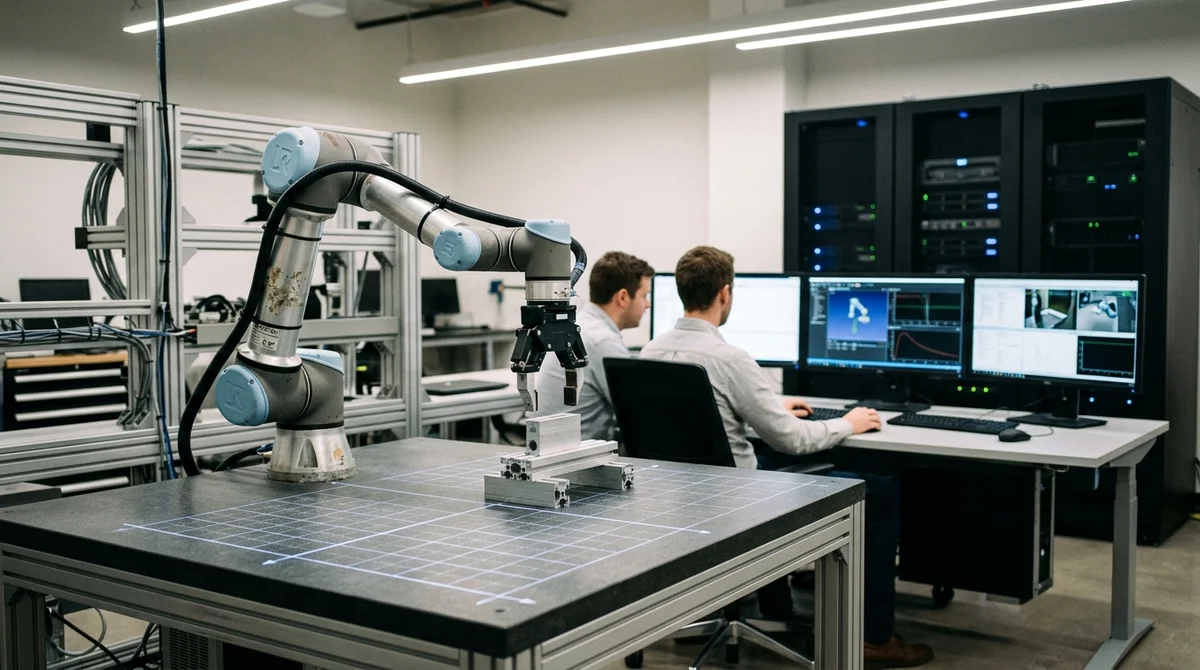
Genesis AI releases Genesis World 1.0, a platform that evaluates robots 400 times faster
Genesis AI has released Genesis World 1.0, a robot simulation platform that cuts evaluation time from 200 hours to 30 minutes and matches real-world behavior at 90%.

NVIDIA releases Polar, a framework for training coding agents
NVIDIA's Polar is a framework for training language agents with reinforcement learning. It raised SWE-Bench performance by 22.6 points in the Codex environment.

UC Berkeley builds mKernel: a single library for GPU synchronization in clusters
UC Berkeley has released mKernel, a new CUDA library for synchronizing thousands of GPUs in data centers by merging local and remote communication into one persistent kernel.

Stability AI releases Stable Audio 3 for fast music generation
Stability AI has unveiled Stable Audio 3, models for generating music and sound effects that run on a MacBook and on consumer GPUs with 8GB of VRAM.

ZeroEntropy unveils Zerank-2, a lightweight reranker for precise search
ZeroEntropy has released Zerank-2, a compact Qwen3-based cross-encoder that significantly improves search quality in two-stage RAG systems.
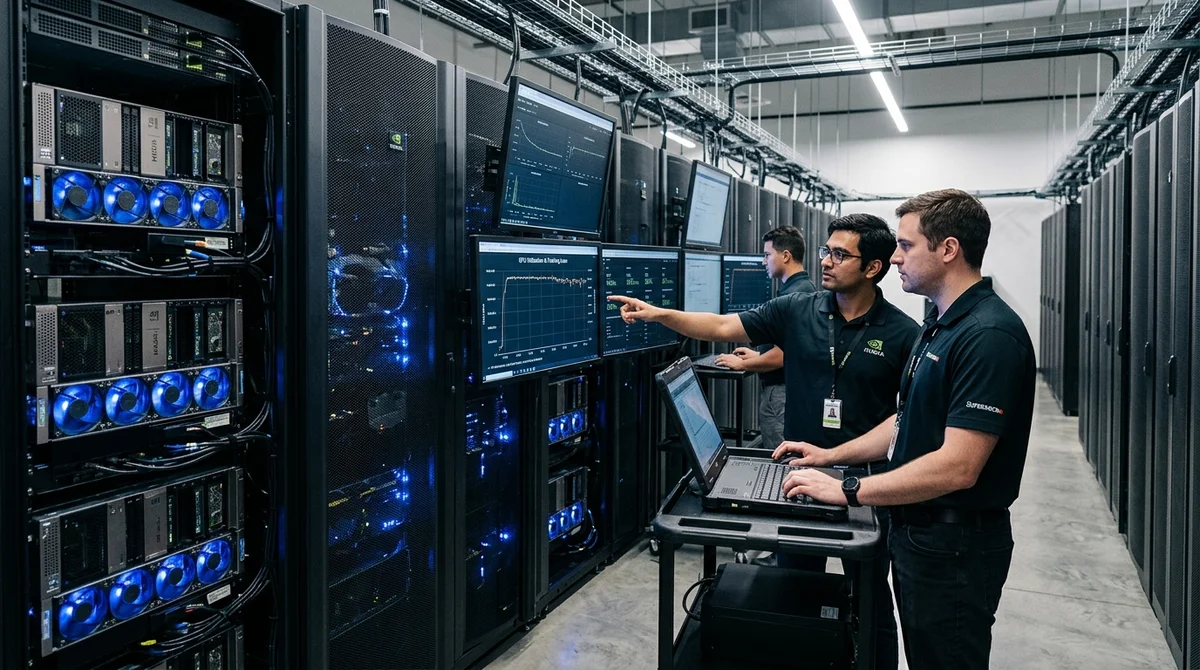
Sakana AI unveils DiffusionBlocks, a method for training neural networks in blocks
Sakana AI has introduced DiffusionBlocks, a new method that trains the layers of residual networks independently by treating their updates as reverse diffusion.

Vector Search in PostgreSQL: A Complete pgvector Guide for AI Applications
Learn how to turn PostgreSQL into a vector database with pgvector and use it for semantic and hybrid search in AI applications, with code examples.

Perplexity open-sources a 5x faster tokenizer for neural networks
Perplexity AI has released a rewritten Unigram tokenizer that processes text 5 times faster and cuts CPU load by 5-6 times in production.

Researchers build MEMO, a framework that expands LLM memory without retraining
Researchers propose MEMO, a framework that lets LLMs learn from new data without retraining the base model, using a separate memory module.
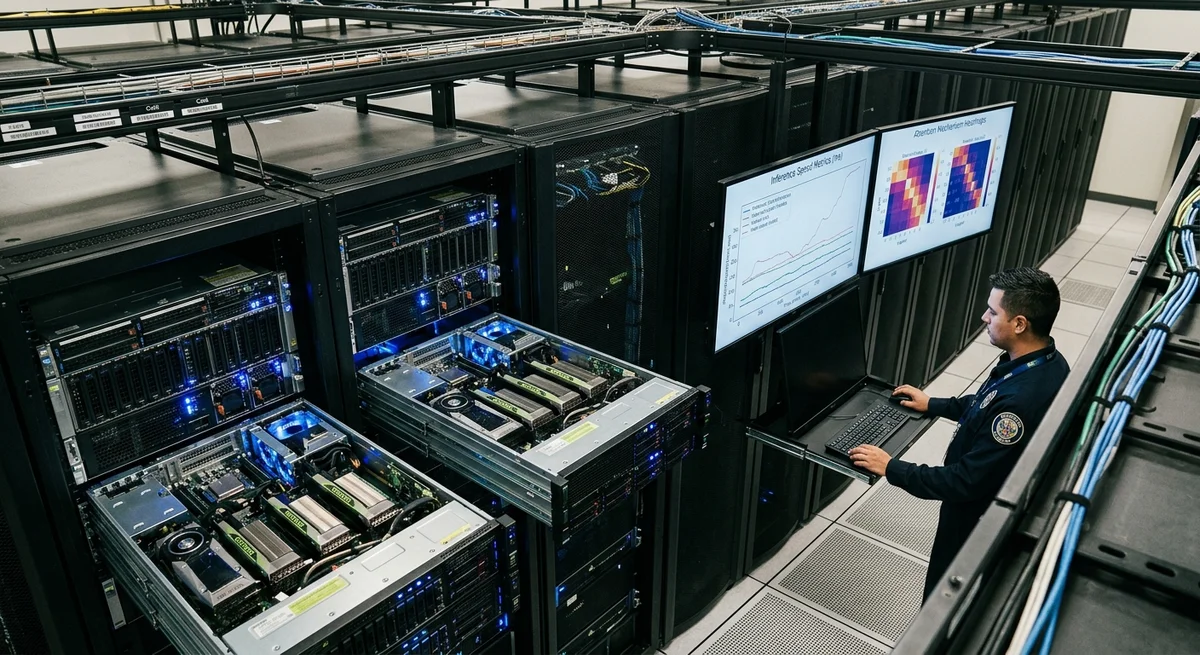
EAGLE 3.1: Fixing Instability in Speculative Decoding for LLMs
A joint release from the EAGLE team, vLLM and TorchSpec fixes a critical flaw in speculative decoding: attention drift, which slowed LLM inference in production.

Anthropic releases Claude Opus 4.8 with dynamic workflows and a cheaper fast mode
Anthropic has introduced Claude Opus 4.8 with dynamic workflows and a cheaper fast mode. The update is available in the Claude Code research preview.

How to Run the LFM2.5 Neural Network Locally on Your PC
Liquid AI has introduced LFM2.5-8B-A1B, an efficient MoE model that activates only 1.5B of its 8.3B parameters. It runs on a consumer PC with a 128K context.
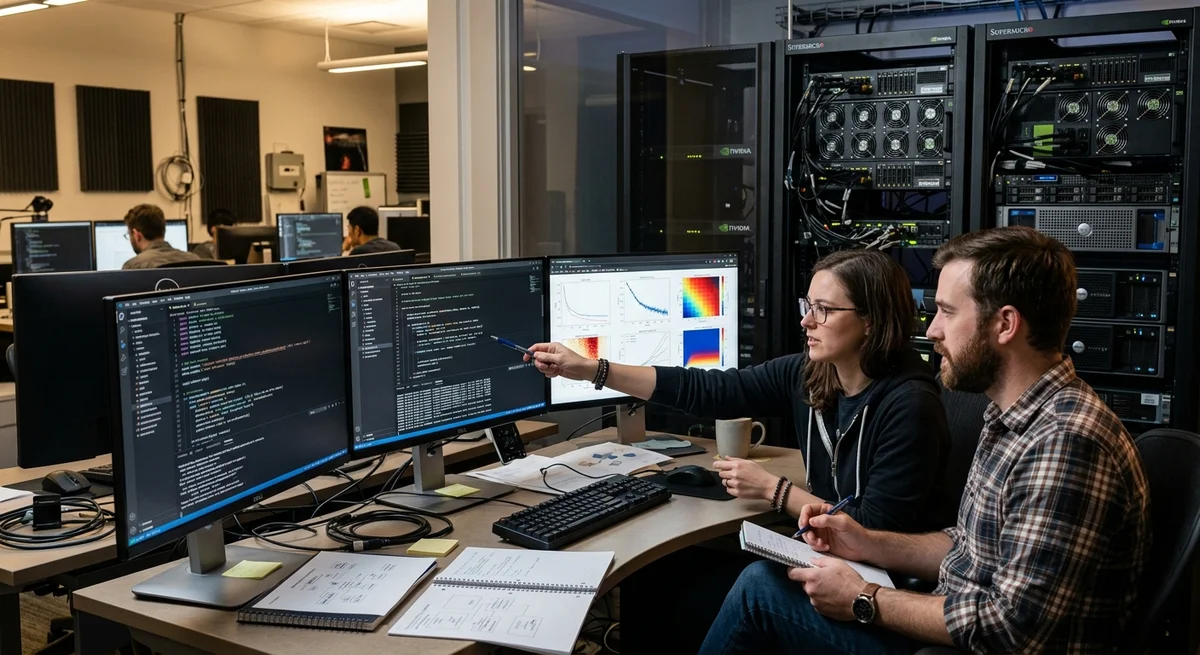
SIA: Open-Source Neural Network for Self-Updating AI Agents
Hexo Labs has released the open-source code for SIA, a system that improves itself by updating both the agent's instructions and the weights of its neural network.

Microsoft Research releases Webwright, a browser agent that solves 60% of web tasks
Microsoft Research unveiled Webwright, a browser agent that handles complex web tasks better than large language models: 60% success on Odysseys versus 33.5% for base GPT-5.4.
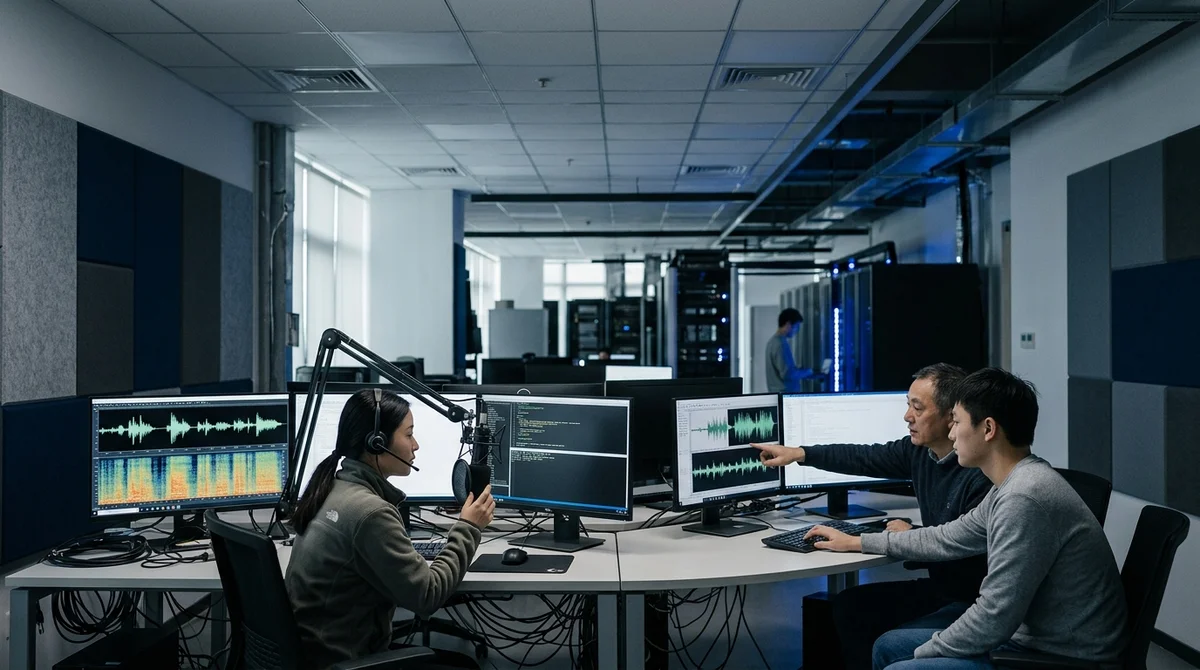
StepAudio Voice AI: Real-Time Speech Synthesis
Chinese lab StepFun has released StepAudio 2.5 Realtime, a voice model that handles speech naturalness better than competitors and can change its voice to fit a user's scenario.

Langfuse for LLM Engineers: A Full Tracing and Experimentation Pipeline
Langfuse is a tool for debugging and optimizing LLM applications. Learn how to set up a full pipeline for monitoring, prompt management and experiments without paid models.

WorkOS unveils auth.md, an open protocol for AI agent sign-up
WorkOS has released auth.md, an open standard that lets AI agents register with applications through a Markdown file, with no human involvement.

Lance: How ByteDance's All-in-One AI Model for Video Works
ByteDance has released Lance, an open model that understands, generates, and edits images and video in a single framework, using just 3B active parameters.

Cohere Command A+: a 218B-parameter model built for agents
Cohere has released Command A+, an open 218B-parameter multimodal model that runs on two H100 GPUs and supports 48 languages.

Qwen3.7-Max: Alibaba's New Model With a One-Million-Token Context
Alibaba has unveiled Qwen3.7-Max, Qwen's most advanced agent model, with a 1M-token context window and a reasoning mode for complex multi-step tasks.
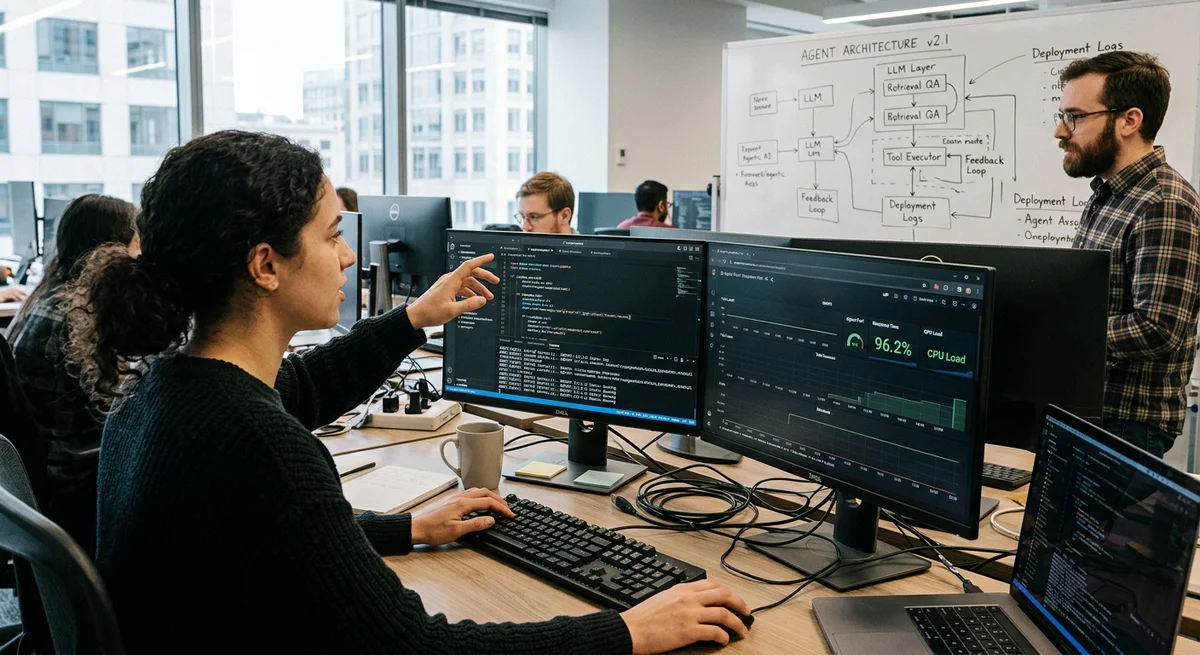
CopilotKit: A Full Stack for AI Agents in 2026
CopilotKit has released a new stack for agentic AI developers: the AG-UI protocol, the AIMock testing platform and the Pathfinder server, a complete solution for production.
How to Build a Transformer Neural Network in Colab: MLA and GQA
OpenMythos lets you build recurrent transformers in Google Colab and compare MLA and GQA architectures. A new video tutorial tests model stability by analyzing spectral radii of injection matrices.

Steering a Neural Network Without Retraining: The CNA Method
Nous Research has unveiled Contrastive Neuron Attribution (CNA), a method for steering large language models by finding and disabling individual neural circuits, with no retraining and no changes to model weights.

AI Agents in Production: 8 Authentication Platforms
Authentication has become a top development priority. MCP has hit 97 million downloads a month, AI agents are moving into production, and picking a platform is now a critical strategic decision.