Hugging Face Blog
AI news source. Articles are auto-selected and adapted by Hamidun News editors.
Latest publications

How a Small Model Beat GPT-5 and Claude Opus at Portuguese OCR
Dharma AI trained a 3-billion-parameter specialized model that outperformed all commercial frontier models in text recognition tests and beat them in price by 52 times.
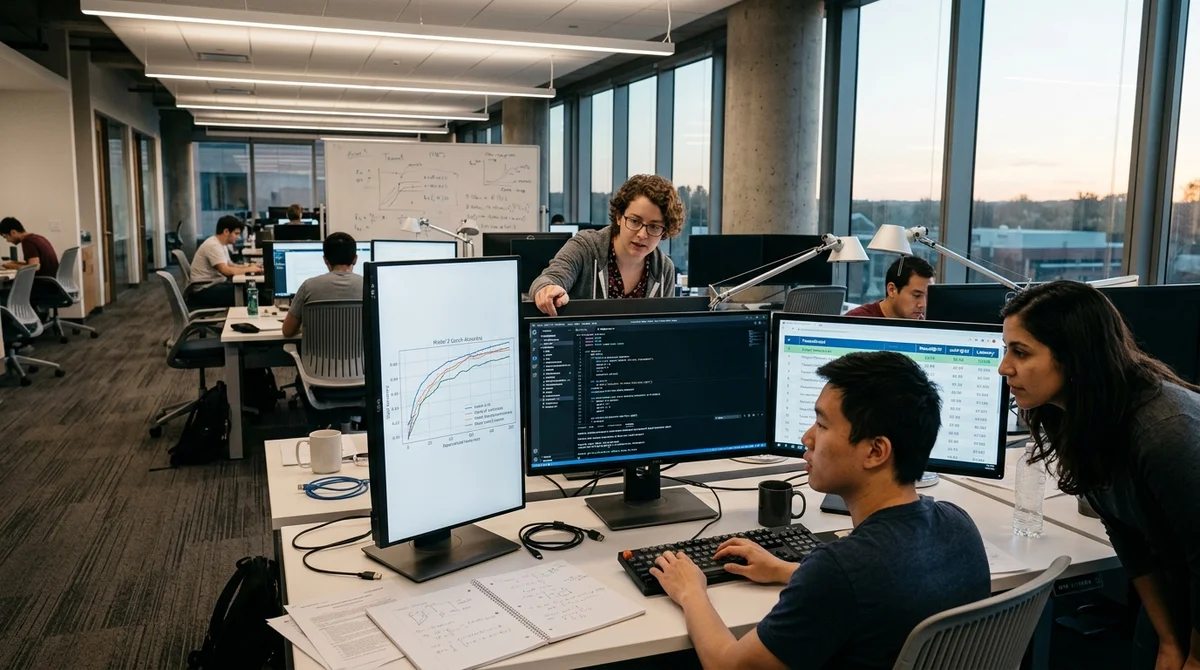
Hugging Face launched Open Agent Leaderboard to evaluate AI agents
Hugging Face introduced an open benchmark for comparing full AI agent systems. It found that agent architecture matters more than the model chosen.
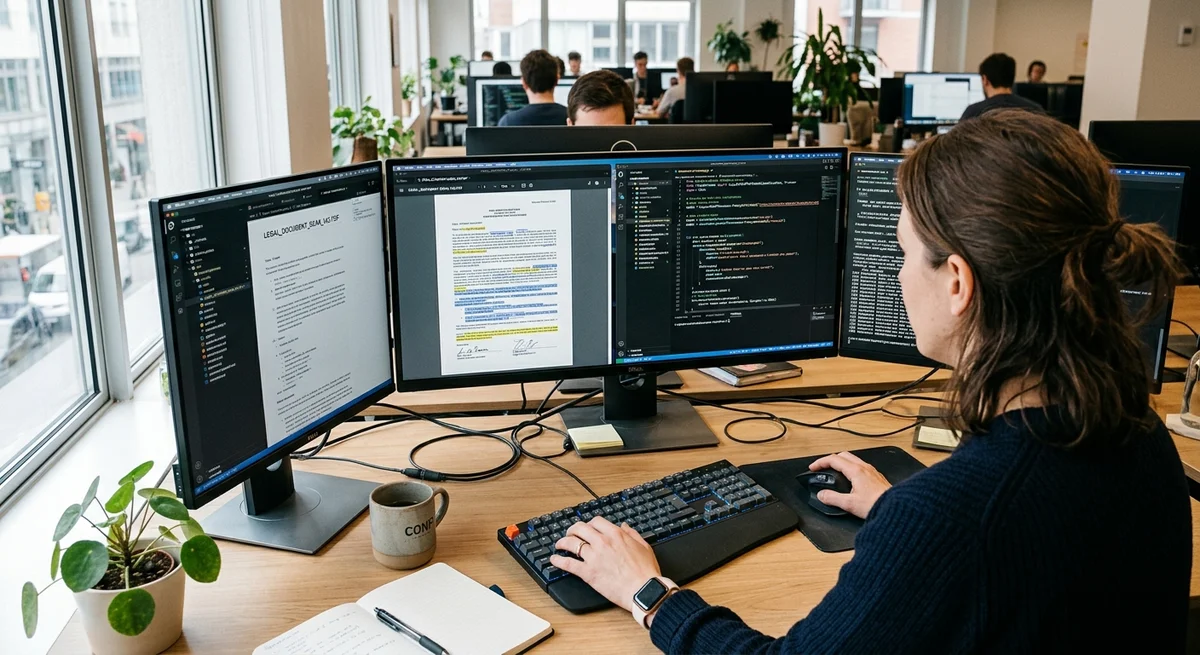
PaddleOCR 3.5 Gains Support for Hugging Face Transformers
PaddleOCR has been updated with full support for Hugging Face Transformers as an inference backend. Text recognition and document parsing now work in a PyTorch environment.
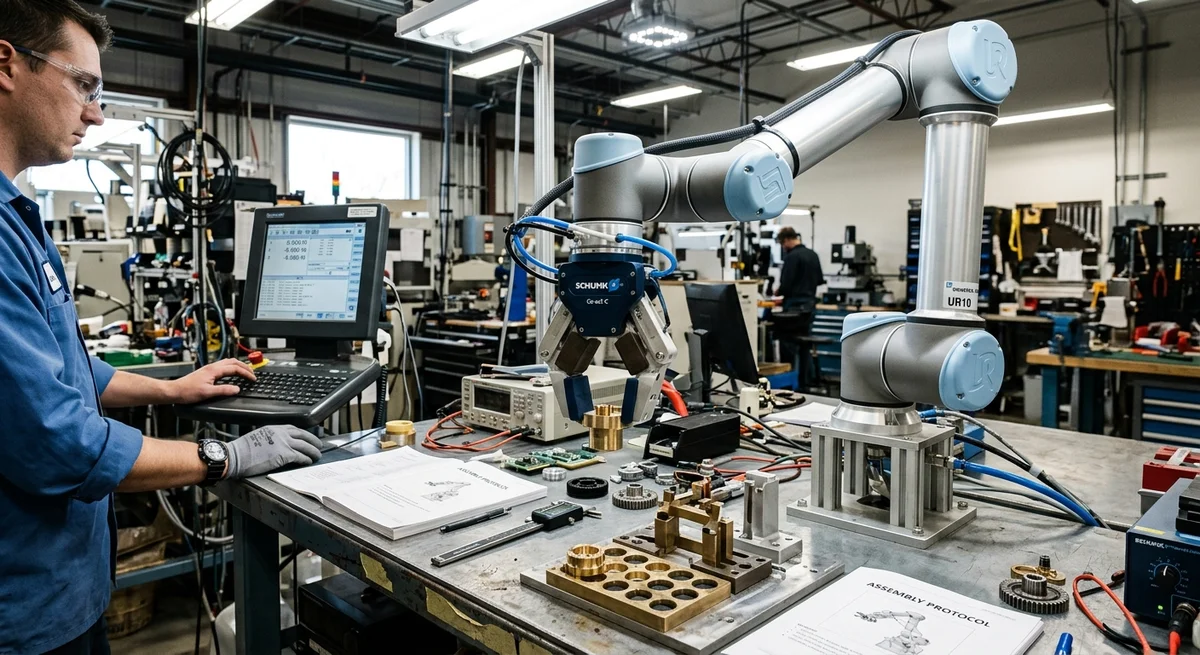
NVIDIA Shows Efficient Method to Train Cosmos for Robot Video Generation Using LoRA
NVIDIA released a guide for fine-tuning Cosmos Predict 2.5 using LoRA/DoRA—a parameter-efficient adaptation method that enables robot video generation training in 17 hours on a single GPU.

Ettin Reranker from Hugging Face: 6 Models for Precise Search Reranking
Hugging Face released 6 Ettin rerankers based on ModernBERT with state-of-the-art accuracy and speed thanks to Flash Attention 2 and sequence optimization.
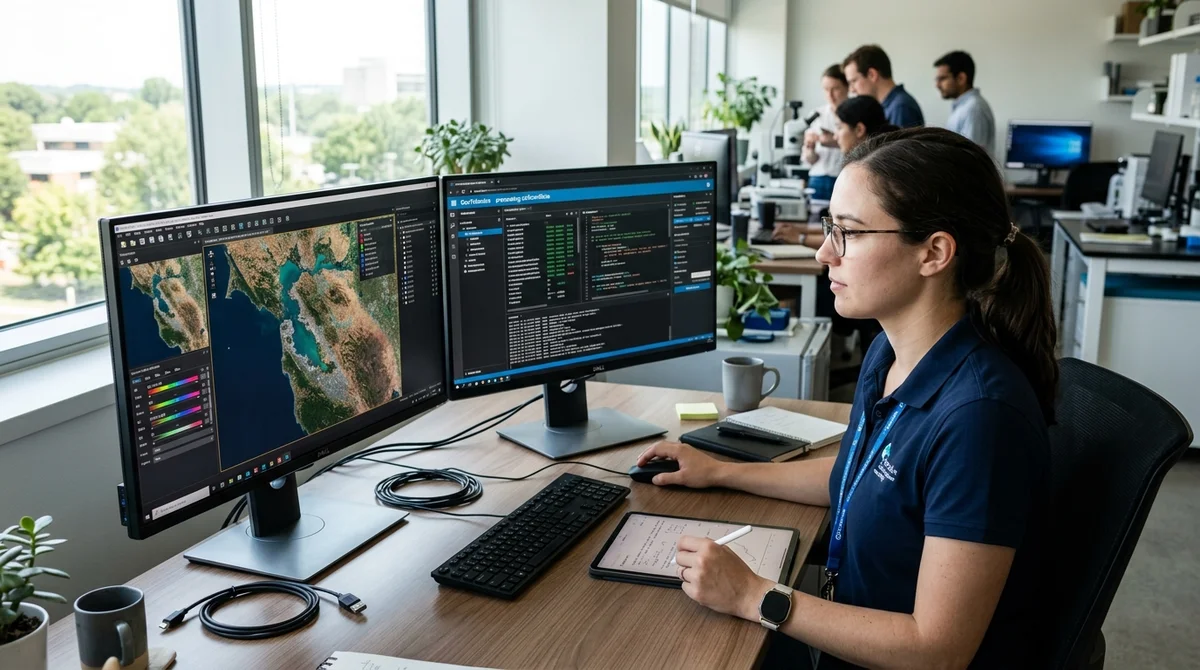
OlmoEarth v1.1: Allen AI Releases Satellite Models 3 Times Cheaper
Allen AI presented a more efficient version of models for analyzing satellite imagery, reducing computational costs by 3 times while maintaining quality.
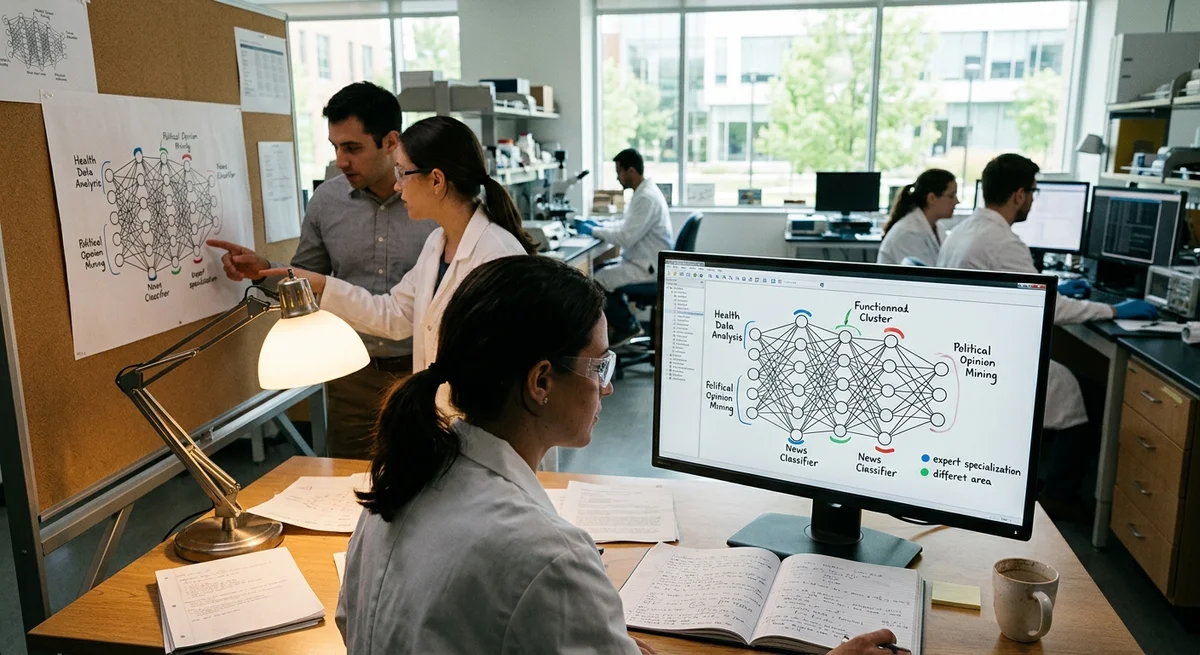
How Allen AI's model learned to discover expert specialization on its own
Allen AI introduced EMO, a mixture-of-experts model that naturally develops domain specialization (health, politics, film) without explicit training on those categories.
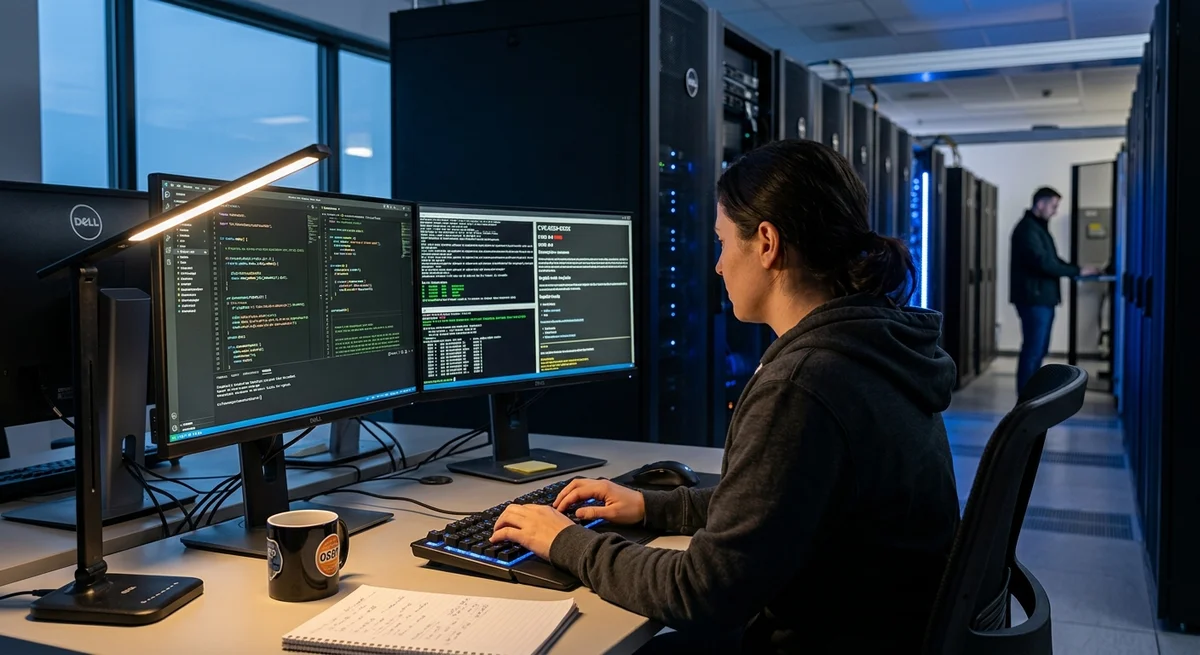
CyberSecQwen-4B: how a small model became a vulnerability expert
The specialized 4-billion-parameter cybersecurity model outperforms general-purpose competitors in vulnerability analysis and runs locally on personal hardware without cloud services.

OncoAgent: AI system for early cancer detection based on private patient data
How a machine learning algorithm helps doctors make decisions on cancer diagnosis without compromising patient confidentiality
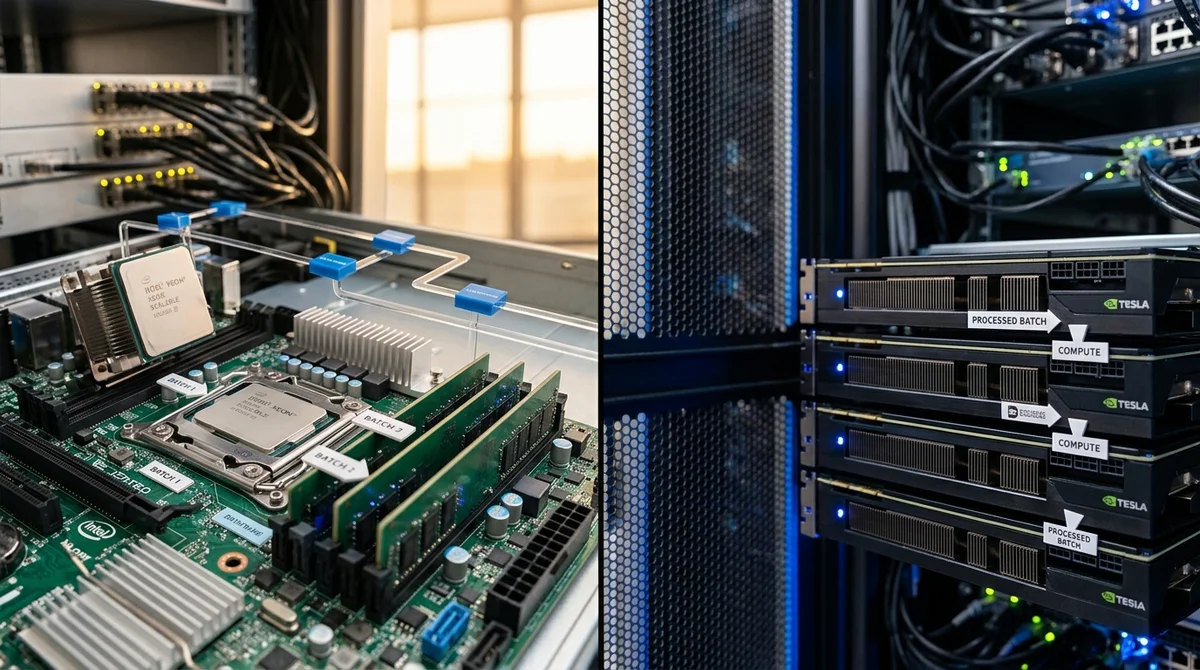
Hugging Face sped up LLM inference by 22% with asynchronous batching
Parallel CPU and GPU processing instead of sequential processing cut GPU idle time by 24% and sped up token generation by nearly a quarter without changing the model.

IBM released Granite Embedding R2 — a multilingual model for semantic search
IBM introduced Granite Embedding R2, an open multilingual model for semantic search with 32K context support and best-in-class performance among sub-100M models.
H Company released Holotron-12B — a model for agents with a 2x speed increase
H Company published Holotron-12B on Hugging Face: the multimodal model for AI agents delivers more than a 2x throughput gain in interface-use tasks on a single H100.
NVIDIA introduced SPEED-Bench — a unified benchmark for speculative decoding
NVIDIA published SPEED-Bench, a dataset and measurement framework that compares speculative decoding across real-world workloads, long contexts, and different inference engines.
IBM released Mellea 0.4.0 and Granite Libraries for verifiable AI pipelines
IBM Research updated the open-source Mellea framework to version 0.4.0 and released three Granite Libraries for structured, verifiable, and safe AI workflows.

NVIDIA showed how to fine-tune an embedding model for a specific domain in a day
NVIDIA and Hugging Face published a step-by-step recipe that turns a base embedding model into specialized search over internal documents in a few hours.

ServiceNow introduced EVA — a new framework for evaluating voice AI agents
ServiceNow released EVA — a system that evaluates voice AI agents not only by task success, but also by dialogue quality, from response brevity to turn timing.

IBM releases Granite 4.0 3B Vision for extracting data from documents and charts
IBM introduced Granite 4.0 3B Vision, a compact multimodal model for extracting tables, charts, and key fields from documents that can be integrated into enterprise pipelines with Docling.

H Company introduces Holo3 — an AI agent for computer use with a record score on OSWorld-Verified
H Company has released Holo3, a model for computer use that scored 78.85% on OSWorld-Verified and was trained on synthetic enterprise scenarios.
Google released Gemma 4 on Hugging Face: multimodal models for local inference
Google DeepMind has opened the Gemma 4 family on Hugging Face: four multimodal models under the Apache 2.0 license, with up to 256K context and deployment ranging from phones to workstations.

Hugging Face added gradio.Server: custom frontends can now connect to a Gradio backend
Hugging Face’s new gradio.Server turns Gradio into a backend layer for React, Svelte, and plain HTML/JS, while preserving request queues, ZeroGPU, and compatibility with Spaces.

Hugging Face transfers Safetensors to the PyTorch Foundation for neutral governance of the format
Hugging Face announced that Safetensors has become a PyTorch Foundation project: there are no breaking changes for users, while the format's development moves to a neutral governance model.

Overworld released Waypoint-1.5: 720p interactive worlds for consumer GPUs
Overworld released Waypoint-1.5, a world model for running locally on consumer GPUs: up to 720p and 60 FPS, plus a lighter 360p version for a wider range of PCs and laptops.

Hugging Face released a Skill for quickly porting Transformers models to MLX
Hugging Face introduced a Skill and a separate test harness to port new models from Transformers to mlx-lm on MLX almost immediately, without a stream of raw AI-generated PRs.

IBM Research analyzed where AI agents break down on APIs, documents, and rules in VAKRA
IBM Research's analysis of VAKRA shows that even strong models lose reliability when they have to combine APIs, documents, multi-step reasoning, and tool constraints.

Hugging Face published Ecom-RLVE, a training environment for e-commerce AI agents
Hugging Face published Ecom-RLVE, an open-source environment where AI agents learn to handle purchase conversations, use tools, and earn a verifiable reward for the cart they actually assemble.
QIMMA Arabic LLM Leaderboard: Qwen3.5 Leads, Karnak Second
TII launched QIMMA, an Arabic LLM leaderboard that first checks the benchmarks themselves and only then compares models on 52,000 examples from seven domains.
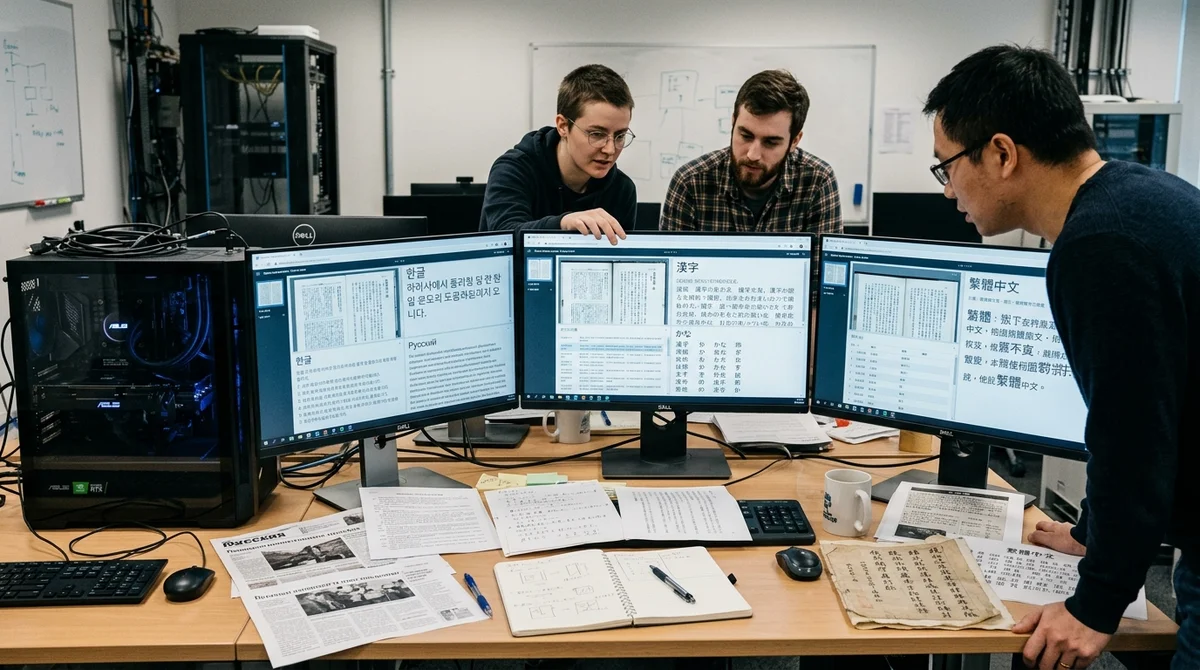
NVIDIA introduced Nemotron OCR v2: multilingual OCR trained on 12.2 million synthetic documents
NVIDIA showed how it built Nemotron OCR v2: the model was trained on 12.2 million synthetic documents to recognize multiple languages with a single engine and process up to 34.7 pages per second.
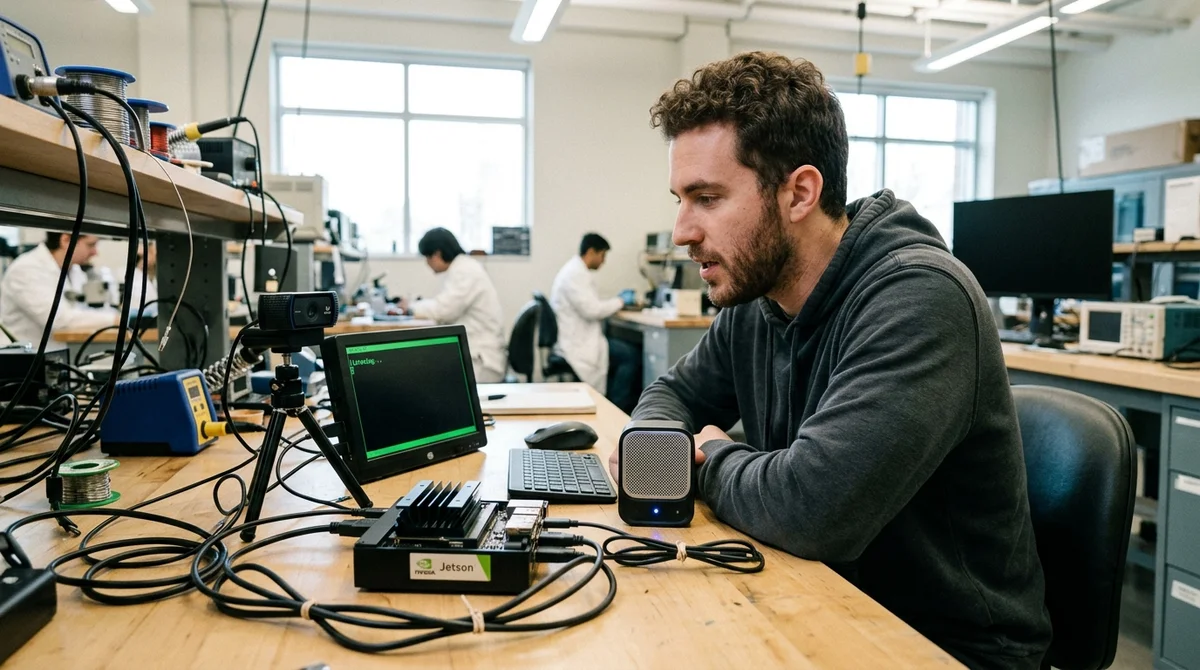
NVIDIA showed how Gemma 4 with voice and a webcam runs on Jetson Orin Nano Super
NVIDIA published a demo in which Gemma 4 decides on its own when to activate the webcam and responds by voice — all locally on Jetson Orin Nano Super with 8 GB of memory.

NVIDIA introduces NeMo Retriever — agentic search for complex enterprise data
NVIDIA showcased an agentic pipeline in NeMo Retriever: the system goes beyond semantic search, planning steps, refining queries, and has already taken first place in ViDoRe v3.
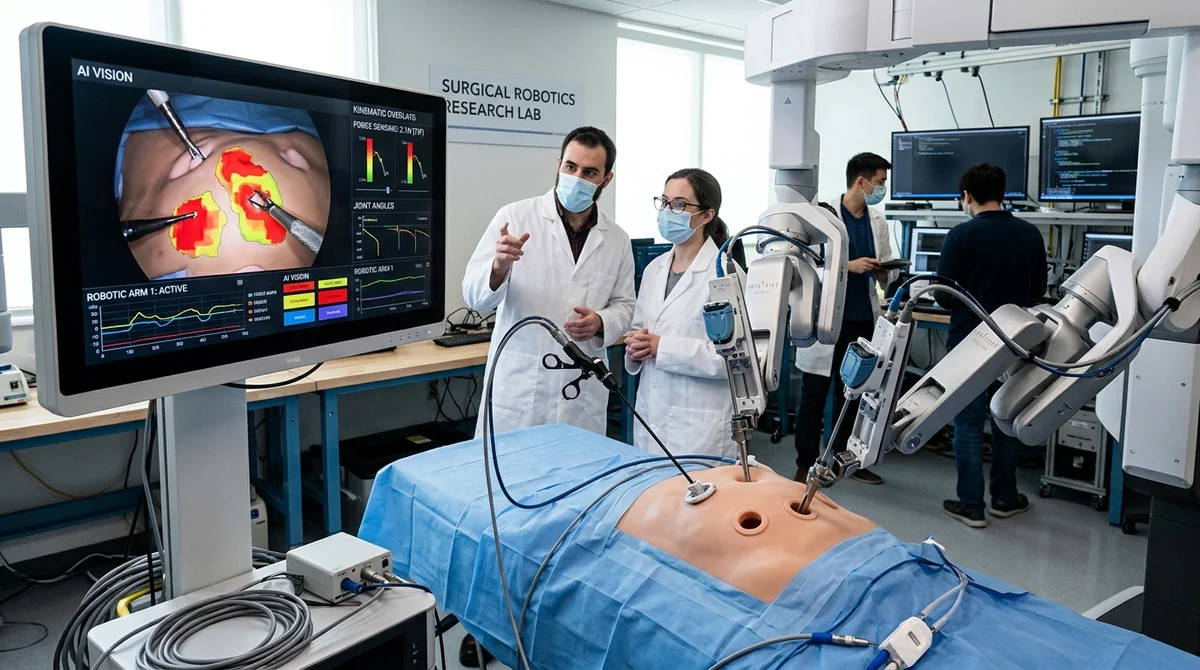
Nvidia unveiled the first open dataset and foundation AI models for medical robots
Nvidia and partners on Hugging Face released the first large open dataset for medical robots and two foundation models for surgery, simulation, and future autonomy.