Habr AI
AI news source. Articles are auto-selected and adapted by Hamidun News editors.
Latest publications
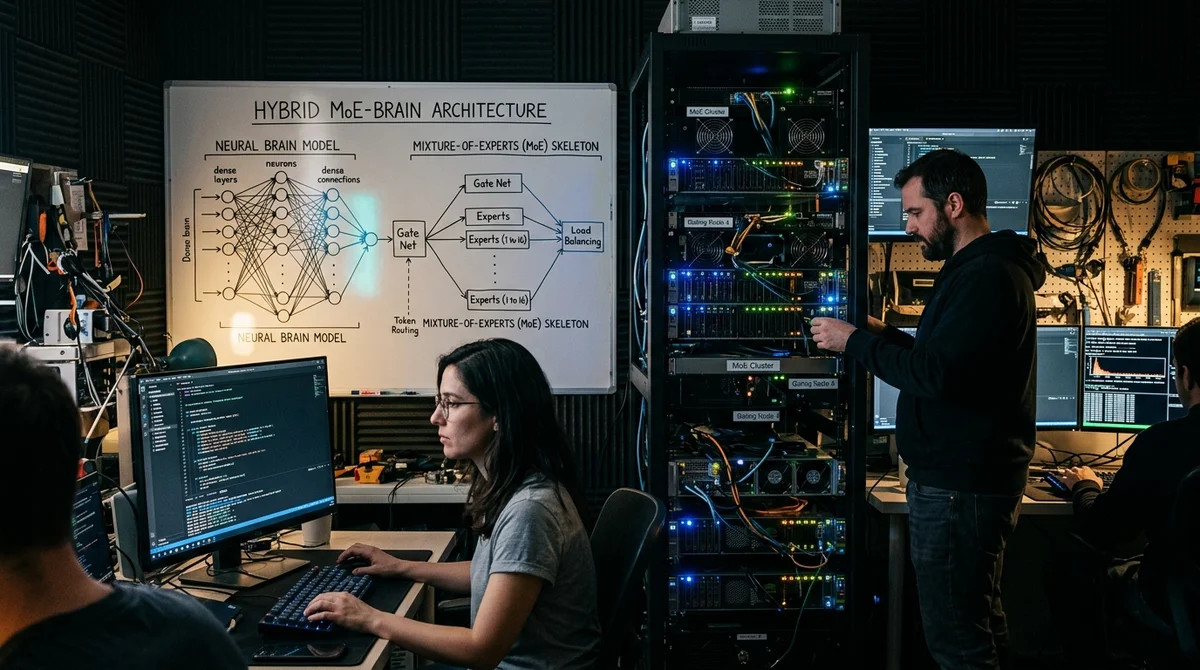
DeepSeek and Gemma: How a Hybrid LLM Experiment on Kaggle Broke the Transformers Library
Enthusiasts transferred four 31B-parameter layers of Gemma into DeepSeek's MoE architecture without retraining, bypassed PyTorch and Transformers limitations, and launched a chaotic but functional LLM hybrid.
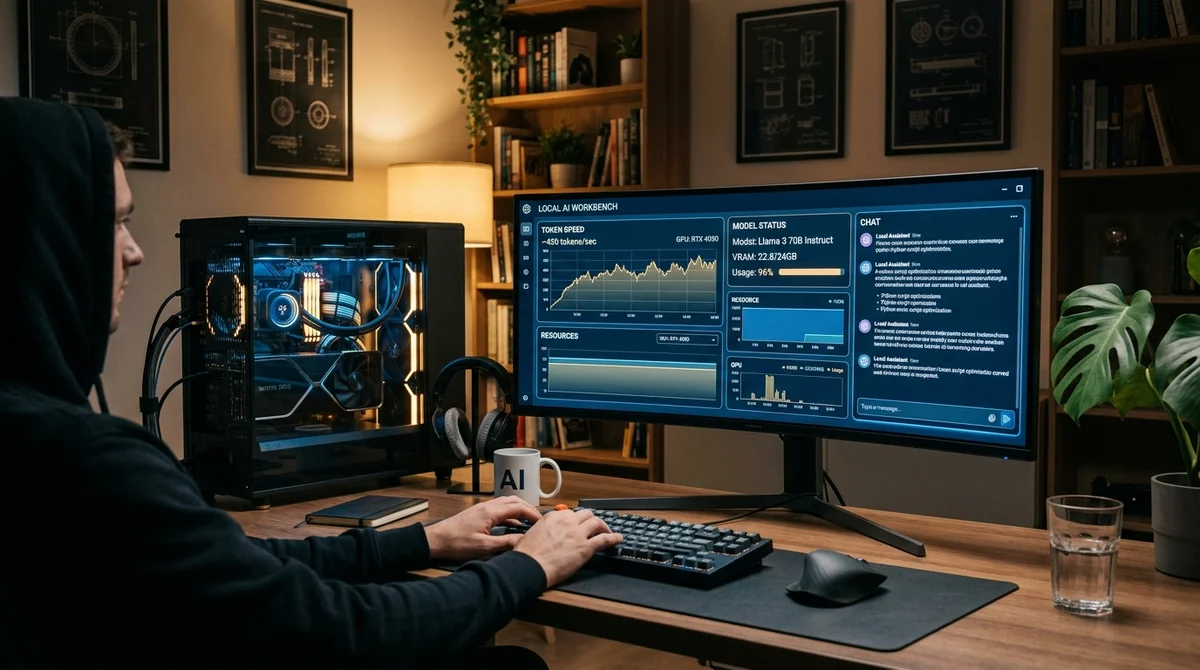
Google Gemma 4 and Qwen 3.6 top the list of best local models for home use in 2026
A selection of local models for 2026 shows that an RTX 3060 is already sufficient for home AI, and the choice should be made based on VRAM, quantization, and task — from code to transcription.

Yandex Praktikum Explains How CNNs Process Images and Why Parameters Don't Determine Everything
Yandex Praktikum published an analysis on Habr AI explaining how convolutional neural networks process images, why architecture matters more than raw model size, and who would benefit from it.

Google Unveiled TurboQuant: 3-Bit KV-Cache for LLM, but Memory Market Panicked Prematurely
Following the TurboQuant announcement, memory manufacturer stocks fell, but behind the bold claims lie significant limitations: no code is available, no integration exists, and the scientific dispute is only intensifying
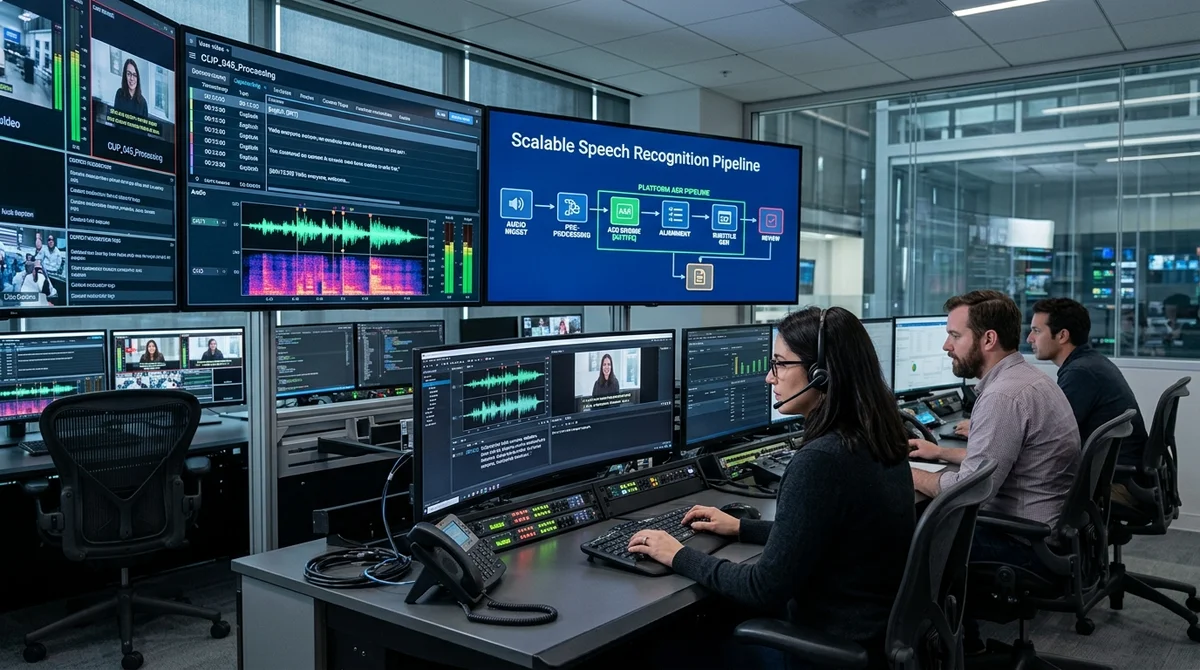
Rutube Moved from Whisper Pilot to Proprietary Subtitles Platform and Speech Recognition
Rutube shared how it transformed a quick Whisper pilot into a full-fledged subtitles platform with microservices architecture and proprietary ASR, processing up to 1200 videos per hour.
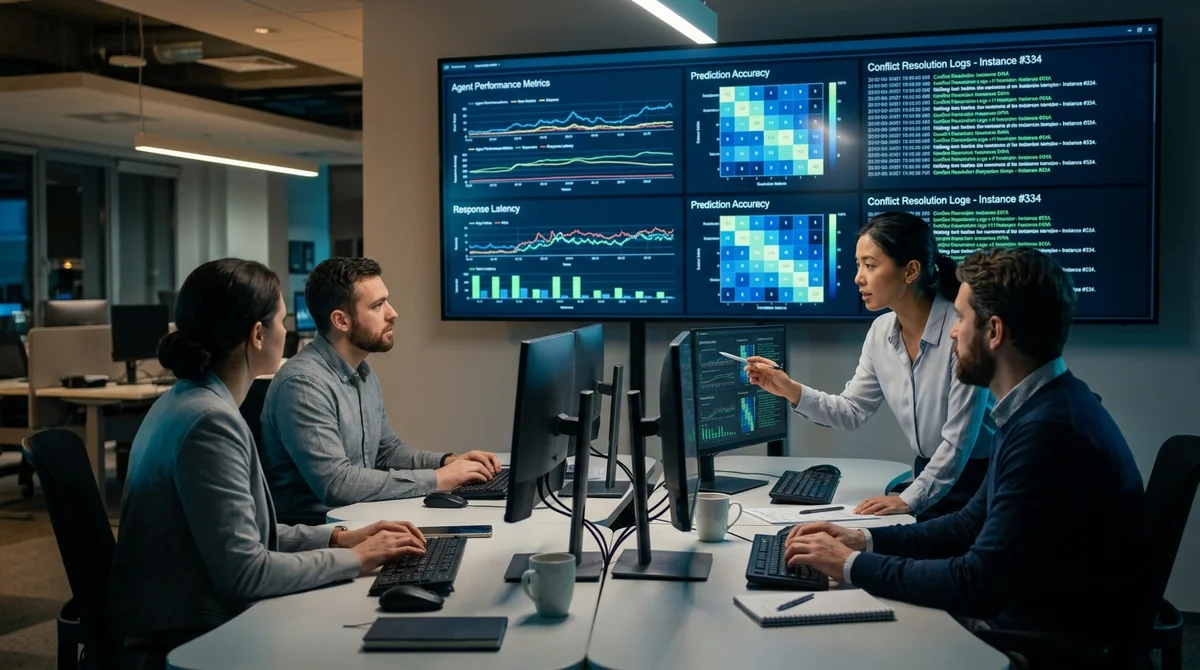
Raft shows how companies can evaluate AI agents before deploying in workflows
Raft released a practical guide on evaluations for AI agents: instead of relying on intuition and one-off demos, companies are advised to verify results, process, and error costs.

Veai showed how to test AI agent in JetBrains IDE without model dependency
Veai described an approach to UI automation for the JetBrains IDE plugin: the team decoupled the deterministic interface from LLM responses and reduced false test failures.
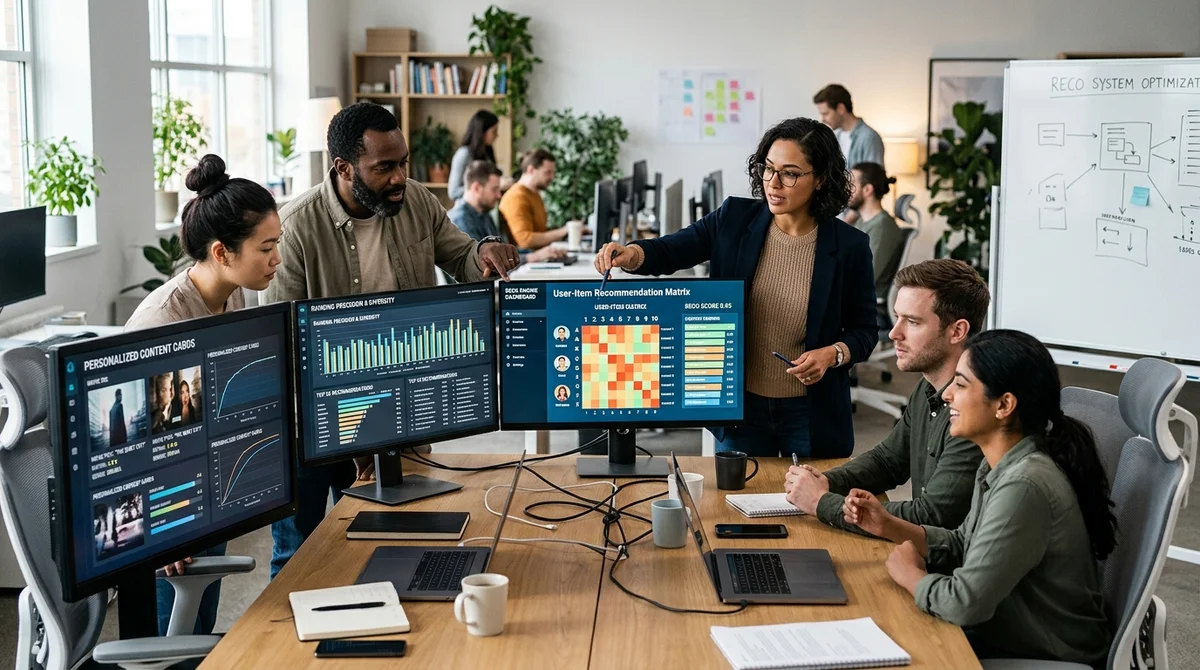
Habr AI Explained When Businesses Need Recommendation Systems and When They're Unnecessary
Habr AI released a practical guide on recommendation systems: when simple rules suffice for businesses, when ML models are necessary, and what metrics determine whether implementation will pay off.

Telegram Anti-Spam Bot Tab Launches With Custom Neural Network and Moderator Learning
A developer has released Tab, a free anti-spam bot for Telegram that filters messages using its own neural network, learns from moderator feedback, and is already deployed across live chats.
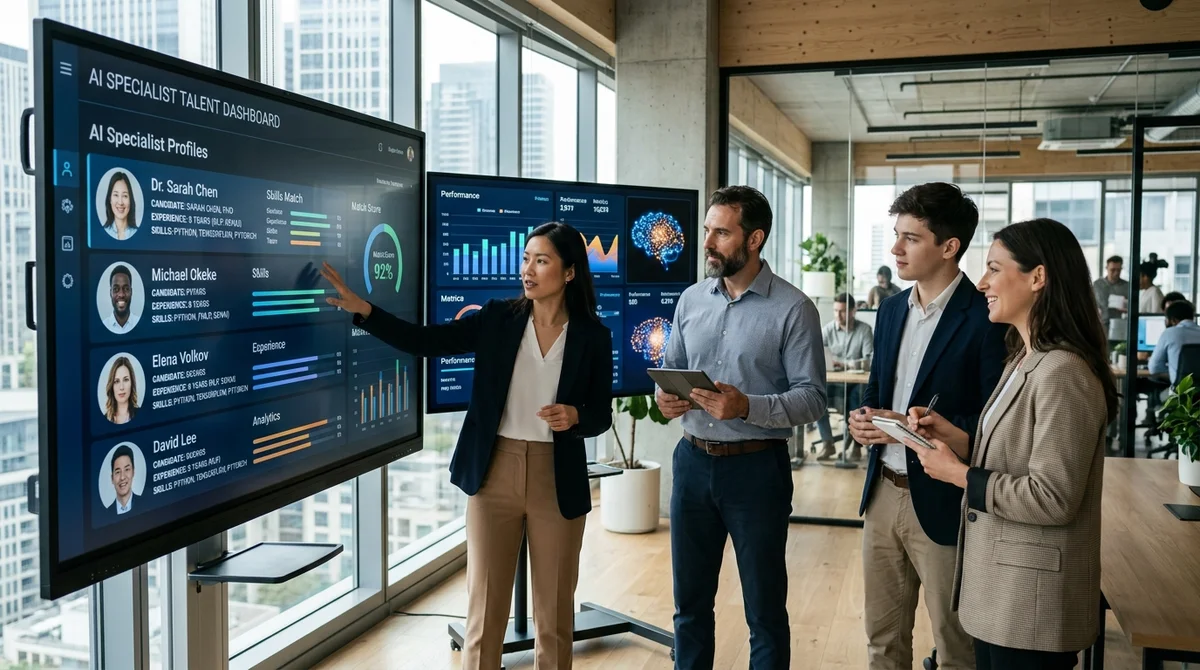
SpeShu.AI launched AI-Profi — a service for selecting AI specialists for business tasks
SpeShu.AI introduced the AI-Profi service: companies can find AI specialists for specific tasks in just a few clicks amid sharp growth in demand for neural network skills in Russia.
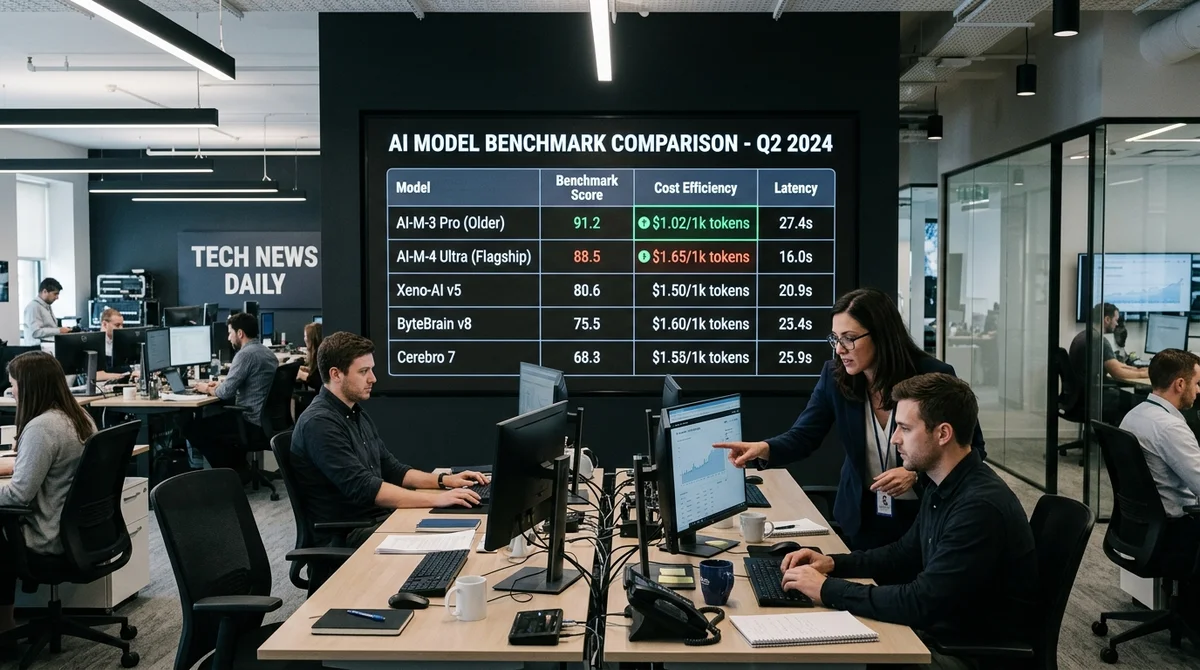
Qwen 3.6 Plus outperforms DeepSeek V4 Pro in Russian benchmark, proves more cost-effective
In a fresh comparison of six April LLM models, Qwen 3.6 Plus scored 92 points on Russian content and outperformed the new DeepSeek V4 Pro, which proved weaker and significantly more expensive.
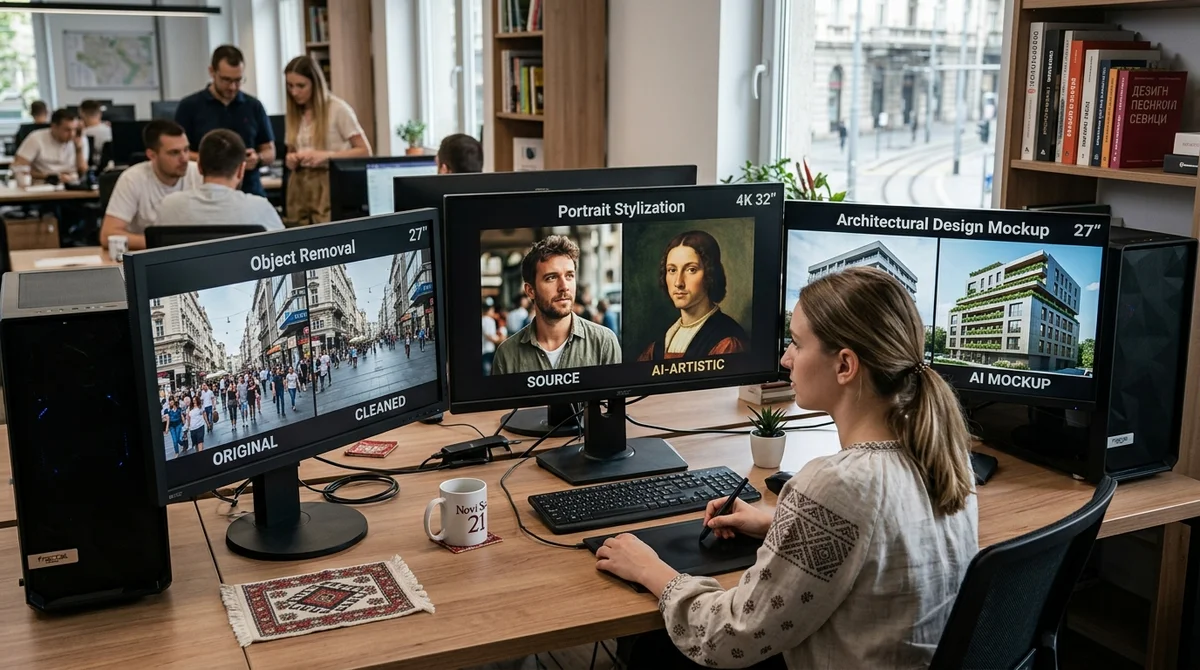
Sber releases Kandinsky 6.0 Image Pro — unified model for image generation and editing
Sber introduced Kandinsky 6.0 Image Pro — an image generation and editing model accelerated by over 40% and enhanced with Image RAG for cultural context understanding.

NASA and SETI Describe Foundation Models for Astrobiology and Search for Extraterrestrial Life
A group of researchers from NASA and SETI proposed a multimodal foundation model for astrobiology — from biosignature detection to planning autonomous space missions.

How Cursor Built a Prototype in Three Days for $180 That Divided the Development Team
At a large IT company, an architect built a working prototype in three days and $180 using Cursor, while the team spent three months on a more reliable module that proved less visible to the business.
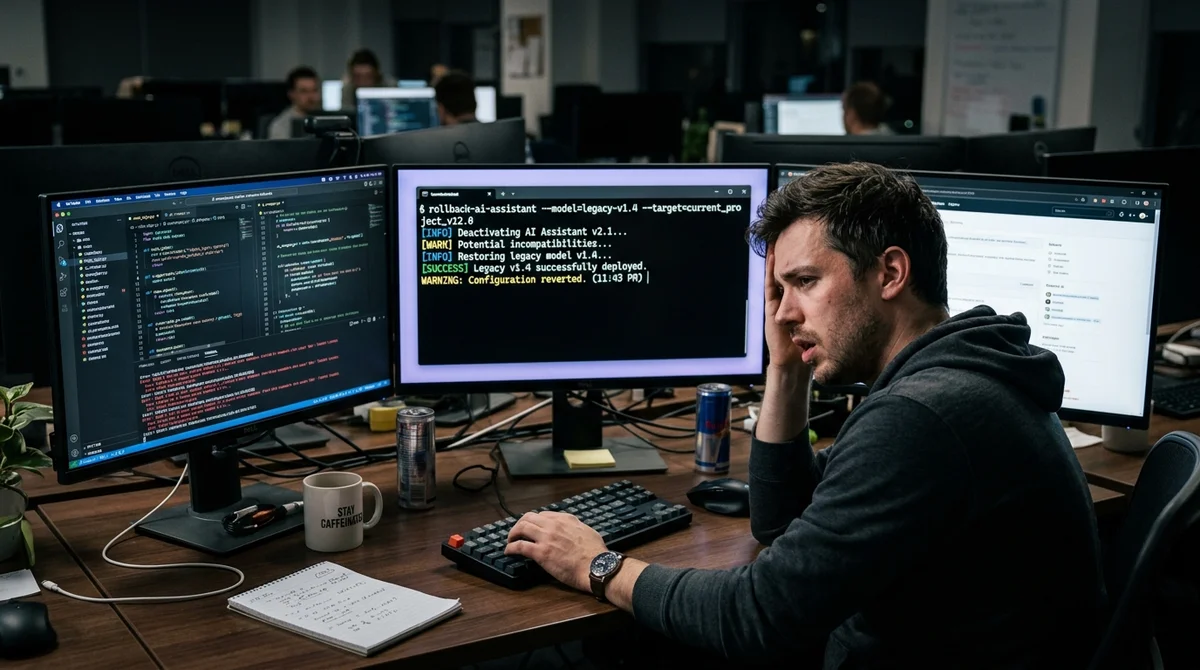
Claude Code users criticize Anthropic Opus 4.7, recommend reverting to 4.6
Following Claude Opus 4.7's release, some Claude Code developers complained about the model's laziness, hallucinations, and context loss, with rollback to Opus 4.6 emerging as the working solution.

VK shows DataCopilot — multi-agent system for corporate data and documentation
VK unveiled DataCopilot — a multi-agent assistant for corporate data repositories: it searches data marts, explains data structure, suggests access permissions, and writes ETL scripts.
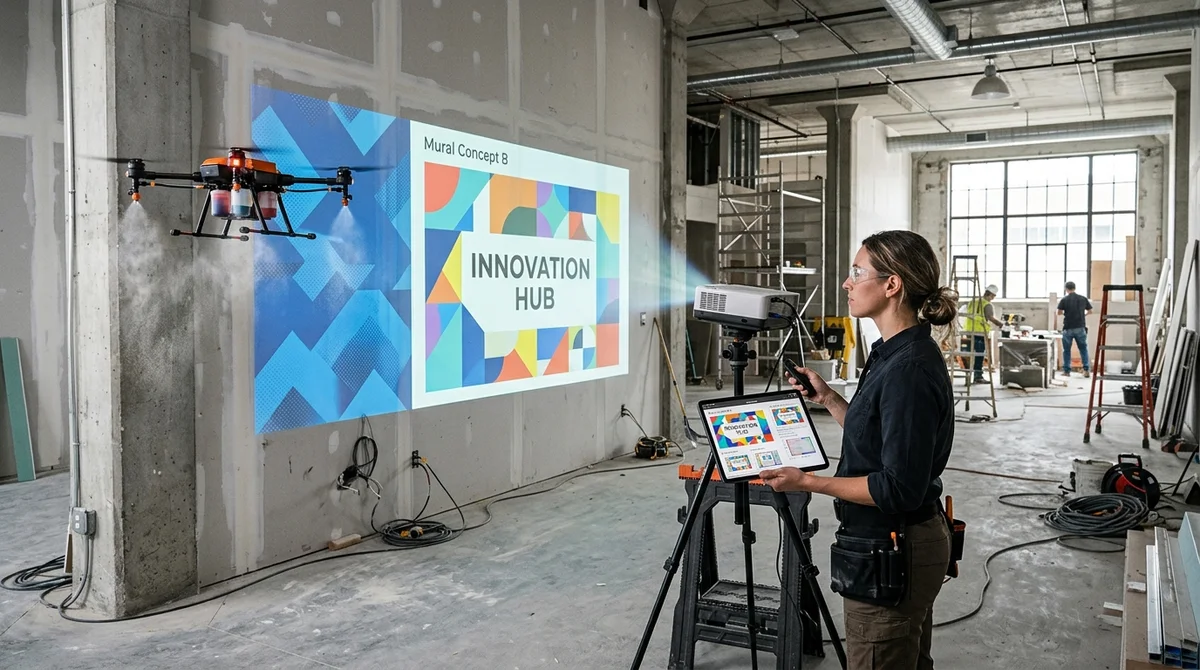
Wallmates: How projectors, drones, and AI are changing design and decoration of commercial spaces
Wallmates agency demonstrated how projectors are already reducing manual work in interior design projects, why AR still isn't ready for on-site implementation, and where AI with drones will deliver the next breakthrough.
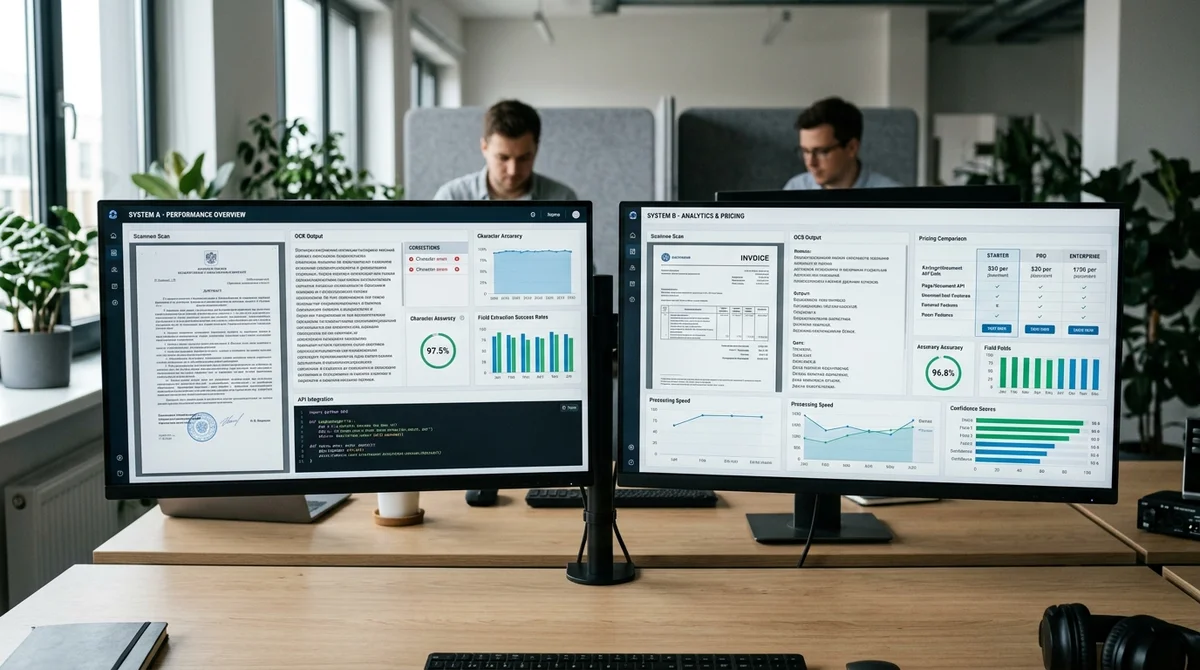
DeepSeek V4 Pro vs Claude Sonnet 4.6 on 50 real tasks: where to save, where the risk lies
A test of 50 real-world tasks by a Russian developer showed that DeepSeek V4 is noticeably cheaper than Claude Sonnet 4.6, but makes more errors in calculations, OCR, and local terminology.

Smart Service Group tests voice control for pallet transport robot
Smart Service Group's initial test showed that voice can trigger pallet robot scenarios in a warehouse, but only with strictly defined commands, safety checks, and clear operator feedback.

Anthropic removes Claude Code from $20 plan, SpaceX prepares Cursor acquisition
Anthropic tests removal of Claude Code from $20 subscription, Duolingo removes AI metrics for employees, and closed Claude Mythos model found via guessed URL.
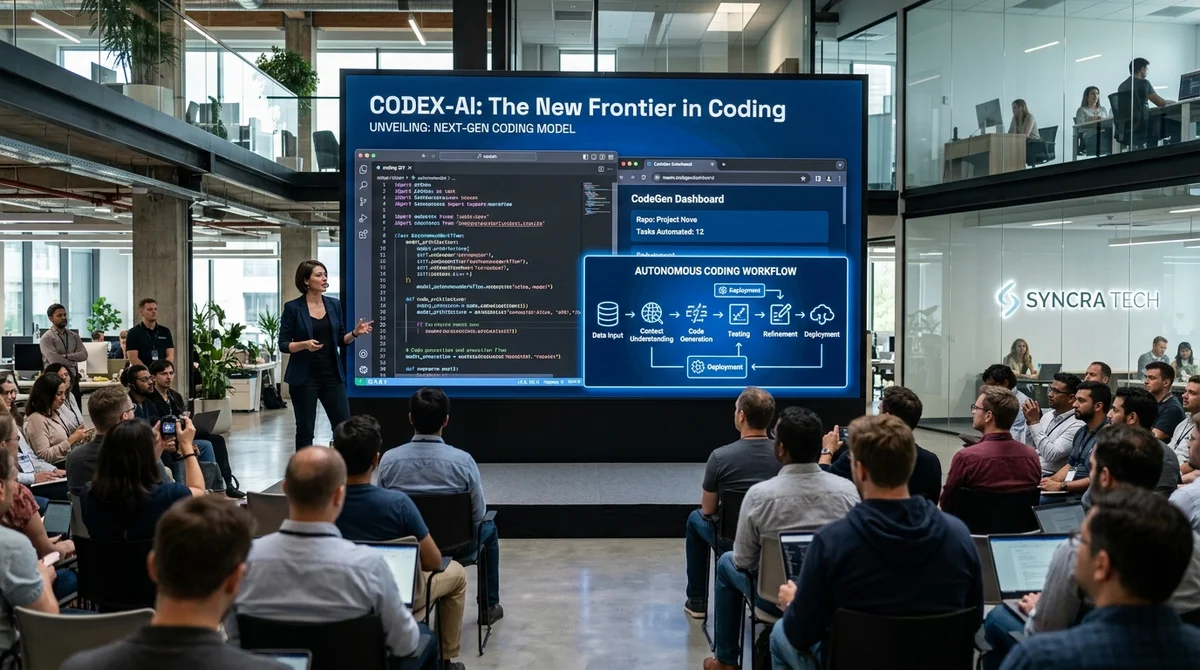
OpenAI released GPT-5.5: stronger in programming, agents, and computer work
OpenAI launched GPT-5.5 focused on code, agentic tasks, and computer work: the model is already available in ChatGPT and Codex, but the API is not yet open, and pricing has doubled versus GPT-5.4.

NextFilm describes movie recommendation model: cold start, taste vector and GPT layer
NextFilm's author showed how to recommend movies to new users: collect initial ratings, build a taste vector, compare it with MovieLens and add GPT for final ranking.
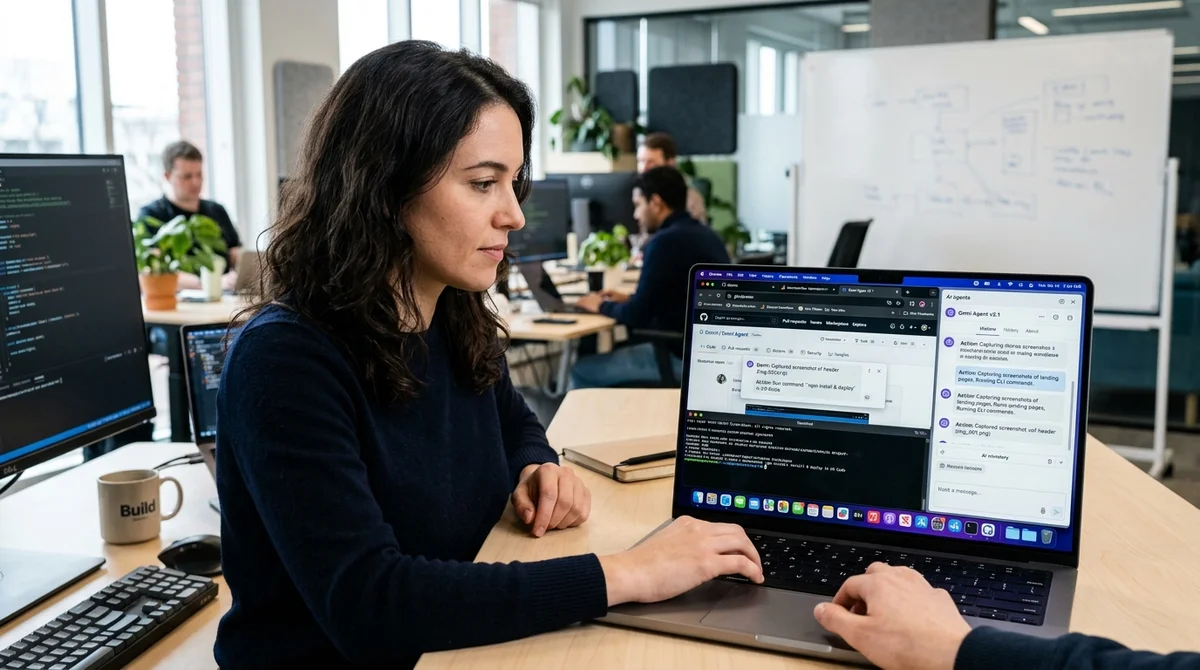
n0x Developer Taught His Browser Agent to Open Sites and Take Screenshots
The n0x project evolved from a regular language chatbot into a browser agent with MCP support: it now opens websites, takes screenshots, and executes commands on demand.

Anthropic Tests Claude Mythos: Leak Reveals Model with 10 Trillion Parameters
An internal Anthropic leak has revealed Claude Mythos — a model the company considers its most powerful AI and is not yet ready to release publicly due to cost and safety risks.
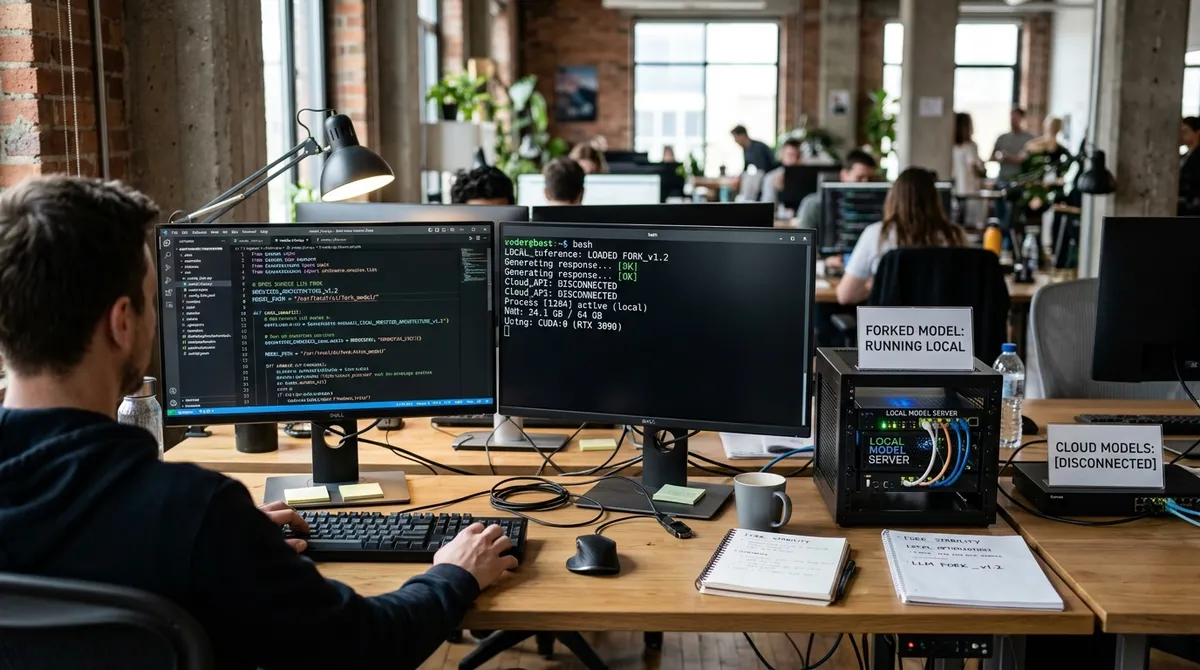
Anthropic and OpenClaude: why 'free' Claude Code in 2026 isn't really free
After Claude Code's source code leak, the community quickly assembled OpenClaude, but behind the promise of free AI coding lie compatibility constraints, infrastructure limitations, and model costs.

How a single system instruction turns an LLM into a reliable tool: tests on Qwen and DeepSeek
A single system prompt can eliminate LLM hallucinations: an experiment with Qwen and DeepSeek showed that an 'exoskeleton' of rules transforms a model from an overconfident liar into a trusted tool.

T-Technologies on Open Source in AI/ML: Inside the LLM Development Process
Interview with the AI/ML team at T-Technologies Group — about LLM development, participation in open source, and research directions.

NVIDIA at GTC 2026 Shifts Focus From Chips to Token Factories and Agent-as-a-Service
At GTC 2026, NVIDIA showcased a bet not on individual GPUs, but on token factories, the modular Vera Rubin architecture, and AI agents as a service economics.
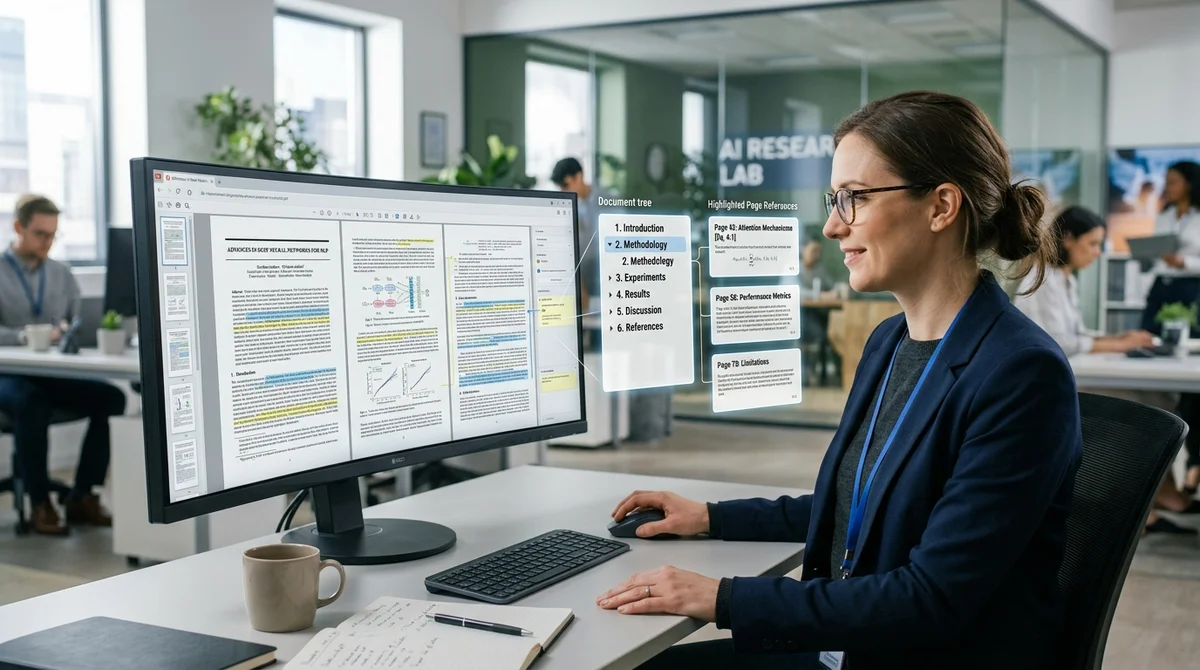
PageIndex from VectifyAI offers embedding-free search for long documents
PageIndex builds a tree-structured document outline and searches for relevant sections through LLM reasoning, promising RAG without embeddings, but at a notable cost in resources and speed.

GolangConf 2026 and Ontiko: Why Go Teams Need to Fix Architecture, Not Code Speed
Ontiko is restructuring GolangConf 2026 around the real pain points of Go teams: AI has accelerated code writing, but architectural decisions, scaling, and system complexity have become the primary bottleneck.