Musk loses suit against Altman: court finds his claims invalid
The jury returned a unanimous verdict in Musk v. Altman. Two of the X owner's claims were found barred by the statute of limitations. A third was dismissed on procedural grounds. Although the jury served only in an advisory capacity, Judge Yvonne Gonzalez Rogers adopted its decision in full. This closes one of the most high-profile legal battles in the history of the tech industry.
AI-processed from The Verge; edited by Hamidun News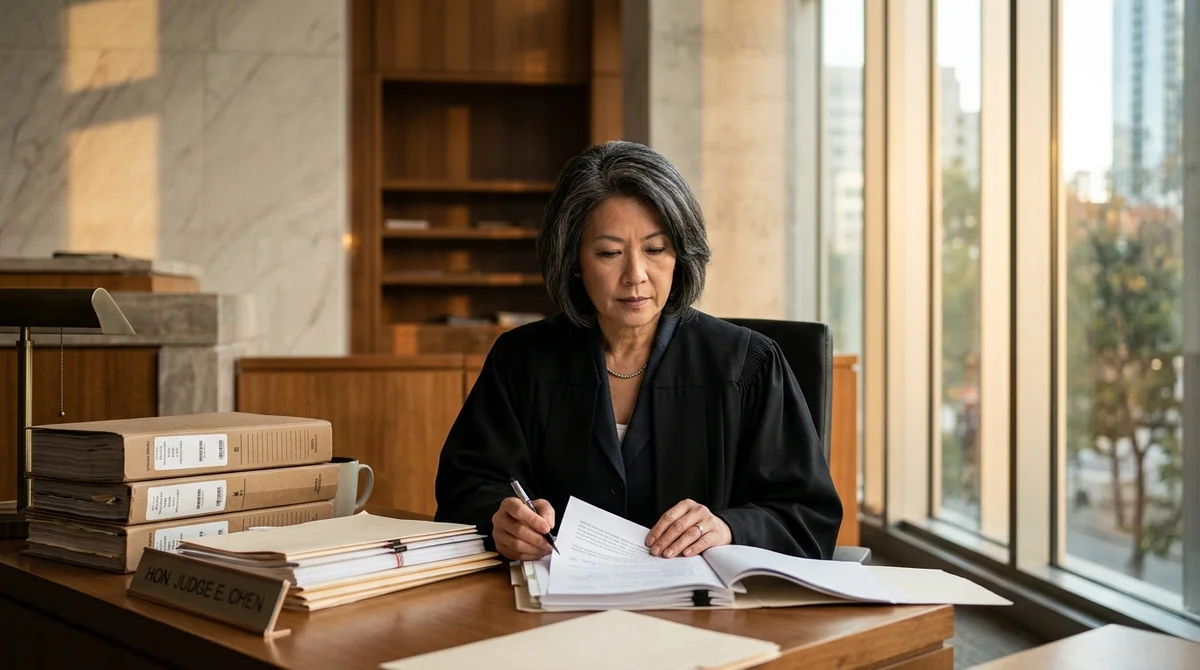
The jury returned a unanimous verdict in the landmark case of Musk v. Altman and OpenAI. After two hours of deliberation, Judge Yvonne Gonzalez Rogers agreed with the decision: two core claims are barred by the statute of limitations, and the third was dismissed on procedural grounds. This closes one of the most high-profile trials in the history of the tech industry, and a public clash between two key figures of the AI boom of recent years.
What Musk's complaint alleged
Musk sued Sam Altman and OpenAI in federal court with several serious claims. The main allegation concerned breach of charitable trust. In the view of the Tesla founder and OpenAI co-founder, the company drifted from its original mission of being an independent nonprofit and became a commercial enterprise under the influence of Microsoft and Altman personally.
Musk argued that the original promise of openness and independence had been broken. Instead of developing freely available AI for the public good, he said, the company turned inward and came under the control of the corporate interests of large investors. For the founder, it was a matter of principle: when does a charitable organization have the right to reclassify itself as a commercial one, especially if its creators consider that step a betrayal of the original ideals and the public interest?
How and why the jury reached its decision
The ruling rested on procedural rather than substantive grounds. Two of Musk's claims were found to fall under the statute of limitations. In other words, the plaintiff waited too long before filing, and the right to pursue litigation on those points had expired. The third claim was dismissed as a consequence of that finding.
The jury served only in an advisory capacity: technically, its verdict does not bind the court. However, Judge Rogers adopted its recommendation in full, which makes the decision legally final. Musk cannot pursue the case on the merits. Everything is closed on formal, procedural grounds. His options are to appeal the statute-of-limitations ruling or to concede defeat.
Who won this war
On a formal level, Altman and OpenAI won cleanly. Musk never got the chance to present his core argument about the breach of the mission before the court and jurors. Instead, the case was closed before serious debate on the substance began. This means the court record and public memory will keep the version of OpenAI and Altman, not Musk's detailed counterarguments and evidence.
"The verdict protects
OpenAI from lawsuits over breach of a charitable mission, but it raises a sharp question about what rights the founders of nonprofits have if a company radically changes direction," say legal experts and tech journalists.
What this means for the future of the AI industry
The verdict sets an important legal precedent for the entire ecosystem of AI startups and venture financing. Charitable companies that took venture investment and grew into large commercial structures are protected by law from mission-breach suits if the claims are filed years after the alleged violation.
At the same time, the verdict raises a deeper moral and philosophical question: should nonprofits receive such legal protection when they transform into commercial entities, or is that morally questionable? For the industry, it means that legally, companies have the right to change direction even if it contradicts their noble origins, provided the claims are filed within the statutory period.
- Nov 1, 2026Local models lose to Opus and Codex: 0.21 on a MacBook versus 1.00 for Codex
- Nov 1, 2026Kimi scores 96.2% on a 1C database analytics test and emerges as a fallback if Claude access is blocked
- Nov 1, 2026OpenAI Rewrites GPT Behavior Rules: Five Values and a Chain of Command
- Nov 1, 2026Google admits AI Mode cuts search revenue, shares fall 15%
Key Questions Answered
What Musk's complaint alleged?
Musk sued Sam Altman and OpenAI in federal court with several serious claims. The main allegation concerned breach of charitable trust. In the view of the Tesla founder and OpenAI co-founder, the company drifted from its original mission of being an independent nonprofit and became a commercial enterprise under the influence of Microsoft and Altman personally. Musk argued that the original promise of openness and independence had been broken. Instead of developing freely available AI for the public good, he said, the company turned inward and came under the control of the c
How and why the jury reached its decision?
The ruling rested on procedural rather than substantive grounds. Two of Musk's claims were found to fall under the statute of limitations. In other words, the plaintiff waited too long before filing, and the right to pursue litigation on those points had expired. The third claim was dismissed as a consequence of that finding. The jury served only in an advisory capacity: technically, its verdict does not bind the court. However, Judge Rogers adopted its recommendation in full, which makes the decision legally final. Musk cannot pursue the case on the merits. Everything is c
Who won this war?
On a formal level, Altman and OpenAI won cleanly. Musk never got the chance to present his core argument about the breach of the mission before the court and jurors. Instead, the case was closed before serious debate on the substance began. This means the court record and public memory will keep the version of OpenAI and Altman, not Musk's detailed counterarguments and evidence. "The verdict protects OpenAI from lawsuits over breach of a charitable mission, but it raises a sharp question about what rights the founders of nonprofits have if a company radically changes direct
Test Frontier LLMs & Autonomous Agents in One Workspace
Run Claude Opus 5.5, GPT-6, Gemini 3.1, and DeepSeek side-by-side in Nomad AI (nomadnet.ai) — unified model routing, deep research, and multimodal workflows under one subscription.
The AI world, distilled — once a week
Seven stories that actually mattered, hand-picked. No noise, no reposts, no press releases.
Done! Check your inbox for a confirmation.