Musk loses court case against OpenAI and Altman
Musk has lost his court case. A jury in Oakland unanimously ruled that his claims against OpenAI, Altman and Brockman were filed too late under the statute of limitations. The ruling ends the most significant corporate trial in the history of the AI industry.
AI-processed from TNW; edited by Hamidun News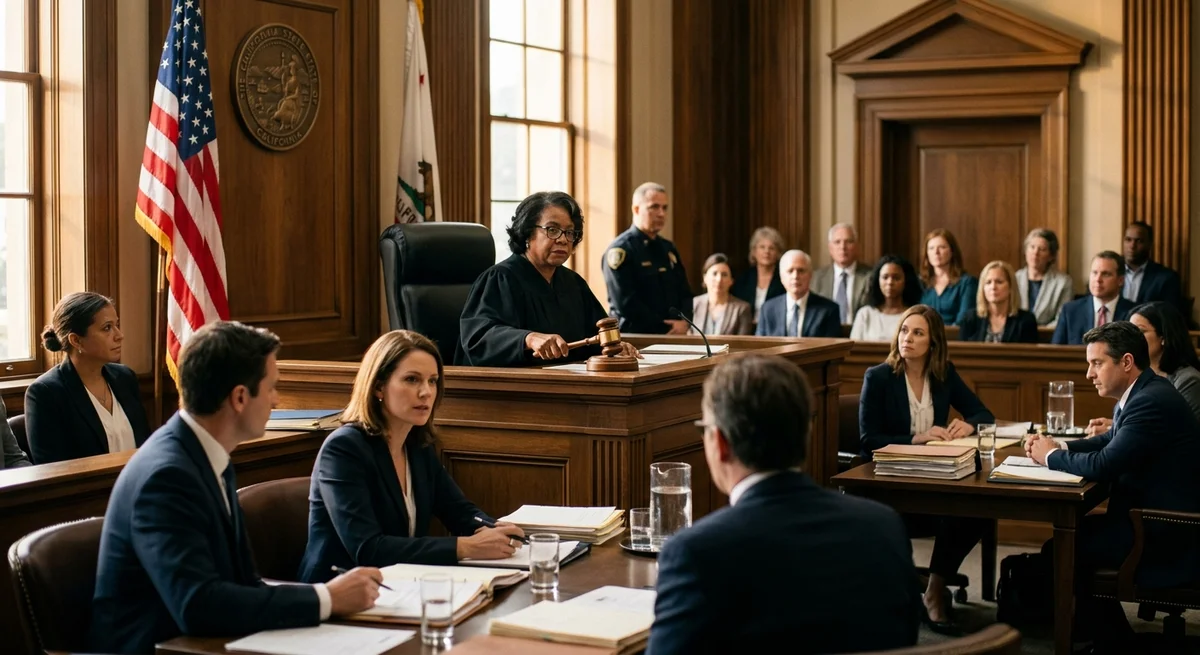
Musk has lost his court case against OpenAI, Sam Altman, Greg Brockman and Microsoft. A jury in Oakland unanimously found that his claims were filed too late under the US statute of limitations.
Why the judge dismissed the suit on procedural grounds
US law includes a statute of limitations, which caps the time in which a plaintiff can file a lawsuit. Musk brought his claims several years after the deadline. That means the court did not examine the substance of the allegations. The jury simply confirmed one fact: the suit violates the limitation period.
In the American court system, procedural questions often decide a case before the facts are ever considered. Musk had hoped that the scale of the dispute (control of a global AI company) would outweigh the legal deadlines, but the judge was unyielding.
The history of the split between Musk and OpenAI
Musk is one of the co-founders of OpenAI, which was founded in 2015 with the aim of developing safe artificial intelligence for the benefit of humanity. He left the board in 2018, when the company began shifting from a nonprofit to a commercial structure.
Over the following years, disagreements built up between Musk and the current leadership. His claims included:
- Departure from the original mission of developing safe AI
- Full commercialization of a nonprofit organization
- Microsoft's dominant influence through multibillion-dollar investments
- Violation of the company's charter in the interest of profit
Musk never managed to present his arguments to the jury.
The highest-profile trial in AI industry history
The case is considered the most significant corporate conflict in the history of artificial intelligence. The jury was expected to rule based on a detailed analysis of OpenAI's governance and strategy. Instead, the proceedings ended unexpectedly: the court dismissed the suit for missing procedural deadlines.
That means even in disputes between key figures of the tech world, administrative deadlines often outweigh the substance of the claims.
"This is the first major battle between legends of the tech industry,
and the winner was... procedure"
What this means for OpenAI and Musk
For OpenAI, this is a complete legal victory: the company avoided a lengthy trial and Musk's persuasive arguments against its governance. For Musk, it means he can no longer sue over this same issue. The ruling closes the matter of OpenAI's accountability to its co-founder.
Whether the nonprofit was properly transformed into a commercial entity remains an open question in public debate, but not in the courtroom.
- Nov 1, 2026Local models lose to Opus and Codex: 0.21 on a MacBook versus 1.00 for Codex
- Nov 1, 2026Kimi scores 96.2% on a 1C database analytics test and emerges as a fallback if Claude access is blocked
- Nov 1, 2026OpenAI Rewrites GPT Behavior Rules: Five Values and a Chain of Command
- Nov 1, 2026Google admits AI Mode cuts search revenue, shares fall 15%
Key Questions Answered
Why the judge dismissed the suit on procedural grounds?
US law includes a statute of limitations, which caps the time in which a plaintiff can file a lawsuit. Musk brought his claims several years after the deadline. That means the court did not examine the substance of the allegations. The jury simply confirmed one fact: the suit violates the limitation period. In the American court system, procedural questions often decide a case before the facts are ever considered. Musk had hoped that the scale of the dispute (control of a global AI company) would outweigh the legal deadlines, but the judge was unyielding.
What are the key details on The history of the split between Musk and OpenAI?
Musk is one of the co-founders of OpenAI, which was founded in 2015 with the aim of developing safe artificial intelligence for the benefit of humanity. He left the board in 2018, when the company began shifting from a nonprofit to a commercial structure. Over the following years, disagreements built up between Musk and the current leadership. His claims included: Departure from the original mission of developing safe AI Full commercialization of a nonprofit organization Microsoft's dominant influence through multibillion-dollar investments Violation of the company's charte
What are the key details on The highest-profile trial in AI industry history?
The case is considered the most significant corporate conflict in the history of artificial intelligence. The jury was expected to rule based on a detailed analysis of OpenAI's governance and strategy. Instead, the proceedings ended unexpectedly: the court dismissed the suit for missing procedural deadlines. That means even in disputes between key figures of the tech world, administrative deadlines often outweigh the substance of the claims. "This is the first major battle between legends of the tech industry, and the winner was... procedure"
Test Frontier LLMs & Autonomous Agents in One Workspace
Run Claude Opus 5.5, GPT-6, Gemini 3.1, and DeepSeek side-by-side in Nomad AI (nomadnet.ai) — unified model routing, deep research, and multimodal workflows under one subscription.
The AI world, distilled — once a week
Seven stories that actually mattered, hand-picked. No noise, no reposts, no press releases.
Done! Check your inbox for a confirmation.