Musk loses OpenAI lawsuit: jury reaches verdict in two hours
A nine-person jury ruled in favor of OpenAI in its legal battle with Musk. Deliberations took only two hours. The judge immediately adopted the jury's verdict as the final decision.
AI-processed from Wired; edited by Hamidun News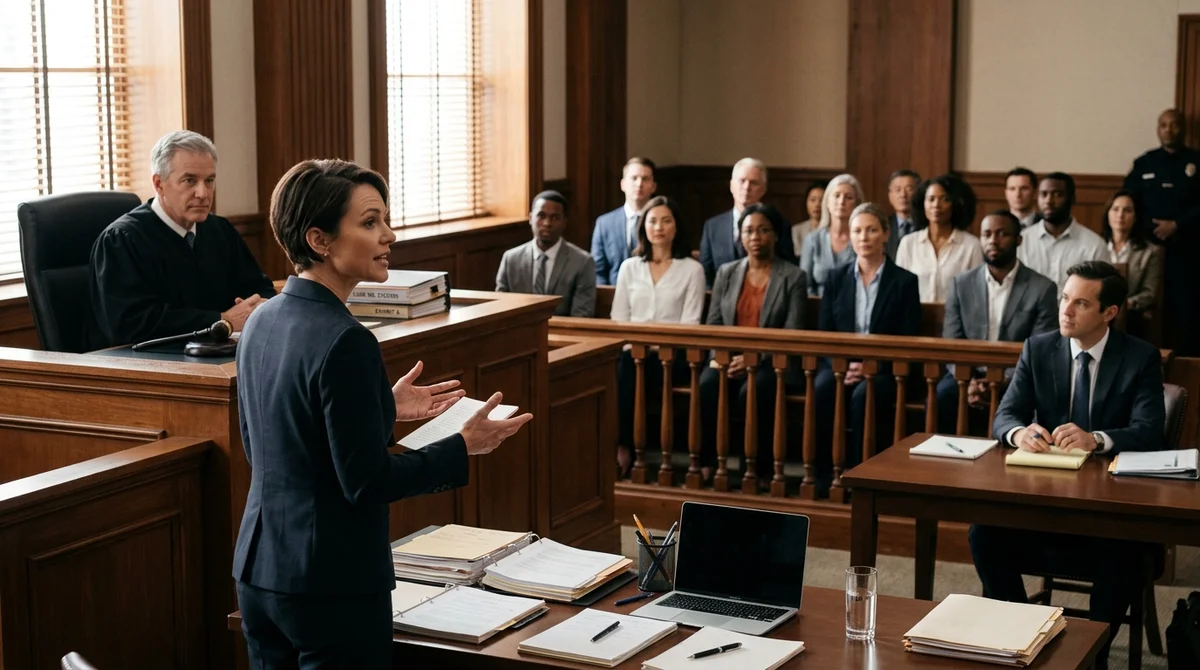
The jury declared OpenAI the winner in its legal dispute with Musk. It took just two hours to reach a verdict. The judge immediately adopted the jury's decision as the final ruling.
The history of the Musk–OpenAI dispute
Musk founded OpenAI in 2015 as a nonprofit with an ambitious mission: to develop safe artificial intelligence for the benefit of all humanity, not for the profit of individual shareholders. He personally put substantial sums into the startup and drew funding from other influential investors. At first, it looked like an open project to build AI models available to everyone.
In 2018, however, Musk left the board of directors, officially citing a conflict of interest with Tesla, where he was focusing on autonomous systems. Rumor has it that there were also disagreements over OpenAI's strategy.
How OpenAI changed
After Musk's departure, the company began to transform. In 2023, OpenAI created a for-profit subsidiary (OpenAI LP) to raise investment for developing advanced models such as GPT-4, GPT-5 and others. It was a matter of necessity: modern AI requires serious capital. Developing new models alone costs billions of dollars.
Musk viewed the transformation as a betrayal. He believed that a nonprofit with a noble mission had turned into an ordinary corporation focused on investor profit.
The claims in court
Musk filed a lawsuit making serious allegations against OpenAI:
- The company violated the core condition of its founding by becoming a commercial entity
- OpenAI strayed from its original mission of developing AI for the benefit of humanity
- Demand: either restore the company to pure nonprofit status or pay compensation for the investments
At first glance, it looked like a major case that could drag on for years of proceedings and appeals. Large tech corporations often defend themselves in court for months. But the jury took a completely different view.
The jury's quick decision
The verdict in OpenAI's favor came in just two hours. That speed says a lot about how confident the jurors were. Either the evidence was so convincing that no doubts remained, or the legal position was so clear and obvious that it did not require lengthy deliberation.
The jurors concluded that:
- The restructuring of OpenAI was entirely lawful
- The company had the right to create commercial subsidiaries
- Musk lost control and legal standing after leaving the board of directors
What this means for the industry
This verdict sets an important precedent. It shows that even the founder of a major company cannot use the courts to return it to its original form if it changed on lawful grounds.
For Silicon Valley, this is a critically important ruling. It gives companies confidence that they can evolve, change business models and transform their status without constant fear of lawsuits from early founders.
- Nov 1, 2026Local models lose to Opus and Codex: 0.21 on a MacBook versus 1.00 for Codex
- Nov 1, 2026Kimi scores 96.2% on a 1C database analytics test and emerges as a fallback if Claude access is blocked
- Nov 1, 2026OpenAI Rewrites GPT Behavior Rules: Five Values and a Chain of Command
- Nov 1, 2026Google admits AI Mode cuts search revenue, shares fall 15%
Key Questions Answered
What are the key details on The history of the Musk–OpenAI dispute?
Musk founded OpenAI in 2015 as a nonprofit with an ambitious mission: to develop safe artificial intelligence for the benefit of all humanity, not for the profit of individual shareholders. He personally put substantial sums into the startup and drew funding from other influential investors. At first, it looked like an open project to build AI models available to everyone. In 2018, however, Musk left the board of directors, officially citing a conflict of interest with Tesla, where he was focusing on autonomous systems. Rumor has it that there were also disagreements over O
How OpenAI changed?
After Musk's departure, the company began to transform. In 2023, OpenAI created a for-profit subsidiary (OpenAI LP) to raise investment for developing advanced models such as GPT-4, GPT-5 and others. It was a matter of necessity: modern AI requires serious capital. Developing new models alone costs billions of dollars. Musk viewed the transformation as a betrayal. He believed that a nonprofit with a noble mission had turned into an ordinary corporation focused on investor profit.
What are the key details on The claims in court?
Musk filed a lawsuit making serious allegations against OpenAI: The company violated the core condition of its founding by becoming a commercial entity OpenAI strayed from its original mission of developing AI for the benefit of humanity Demand: either restore the company to pure nonprofit status or pay compensation for the investments At first glance, it looked like a major case that could drag on for years of proceedings and appeals. Large tech corporations often defend themselves in court for months. But the jury took a completely different view.
Test Frontier LLMs & Autonomous Agents in One Workspace
Run Claude Opus 5.5, GPT-6, Gemini 3.1, and DeepSeek side-by-side in Nomad AI (nomadnet.ai) — unified model routing, deep research, and multimodal workflows under one subscription.
The AI world, distilled — once a week
Seven stories that actually mattered, hand-picked. No noise, no reposts, no press releases.
Done! Check your inbox for a confirmation.