Samsung watches will warn of fainting — but there are caveats
Samsung Galaxy Watch can now predict fainting. The device analyzes vital signs — heart rate, blood pressure, and body movements — and warns of the risk of losing consciousness. For 40% of people who experience fainting, this could prevent injury. But researchers warn about the algorithm’s limitations.
AI-processed from ZDNet AI; edited by Hamidun News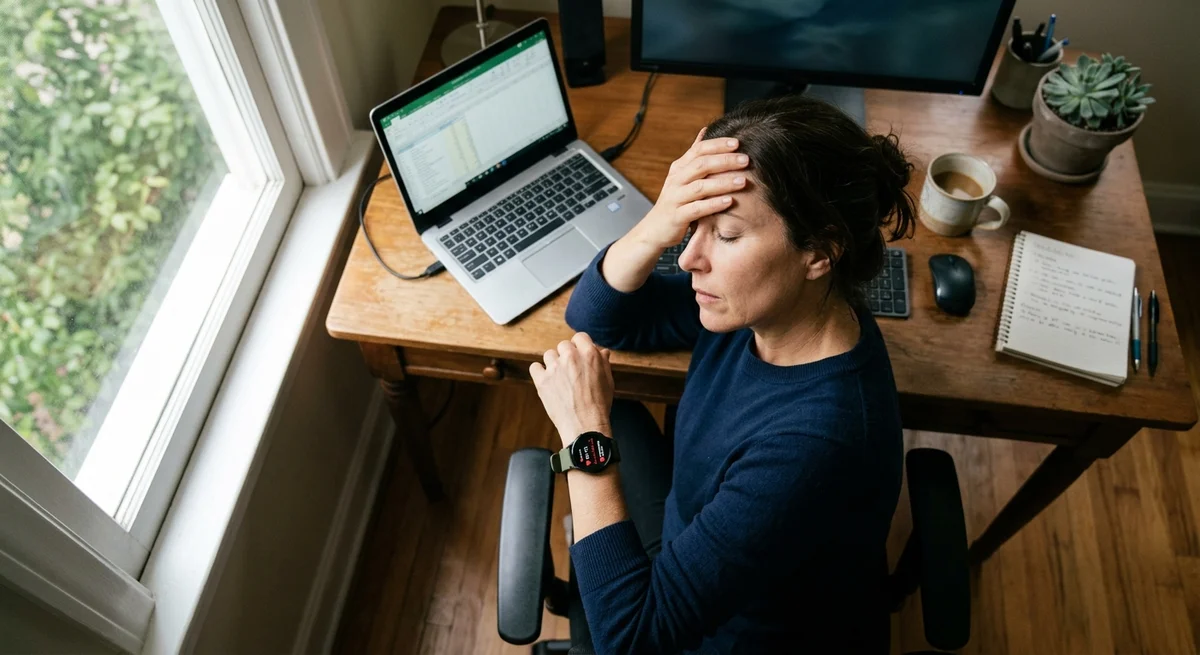
Samsung Galaxy Watch gets a new ability: predicting fainting based on vital data analysis. Research showed potential, but there are important limitations.
How smartwatches predict fainting
Samsung uses built-in smartwatch sensors — accelerometer, PPG sensor (for heart rate) and microphone — to catch patterns preceding a fainting episode. The algorithm analyzes sharp spikes in heart rate, blood pressure instability and micro-movements of the body. When a combination of parameters indicates risk, the watch sends a warning to the user: time to sit down or call for help. This is especially useful for people with orthostatic hypotension — a sharp drop in blood pressure when standing up from a chair or bed. For example, you stood up from a meeting, you're standing in the shower or exercising — the watch will track the start of the problem before your consciousness does.
Who will benefit from this
Up to 40% of the adult population experience fainting at least once in their lifetime. For many, it happens unexpectedly and dangerously — a person can hit their head, break a bone, get into an accident. High-risk groups:
- People with genetic predisposition to syncope
- Elderly patients with chronic hypotension
- Athletes experiencing overload during training
- People taking medications that affect blood pressure
- Patients recovering from prolonged bed rest
- Pregnant women with autonomic dysfunctions
Even a few seconds of warning can prevent serious injury.
Limitations of the research
But the honest title of the paper says: there are big caveats. Samsung's research still has significant limitations. The algorithm was trained on a relatively small sample of volunteers in controlled laboratory conditions. Real-world fainting scenarios in the wild — at work, in the subway, during physical exertion — can differ significantly. Accuracy also depends on how the watch fits on the wrist, the type of sensors in a specific Galaxy Watch model, and individual characteristics of the wearer. For some people, vital sign patterns may be atypical. Furthermore, very rapid vasovagal fainting can occur so quickly that the watch won't have time to warn — from trigger to loss of consciousness sometimes only a few heartbeats pass.
What this means
Wearable devices are becoming serious healthcare helpers, although they don't replace doctors. Samsung Galaxy Watch with the fainting prediction feature is a step toward preventive medicine: instead of responding to a crisis that has already occurred, we begin to anticipate and prevent it. For users, this means more control and confidence in their own body. For Samsung and other manufacturers — additional incentive to improve sensors and train algorithms on more extensive and diverse data.
Key Questions Answered
How smartwatches predict fainting?
Samsung uses built-in smartwatch sensors — accelerometer, PPG sensor (for heart rate) and microphone — to catch patterns preceding a fainting episode. The algorithm analyzes sharp spikes in heart rate, blood pressure instability and micro-movements of the body. When a combination of parameters indicates risk, the watch sends a warning to the user: time to sit down or call for help. This is especially useful for people with orthostatic hypotension — a sharp drop in blood pressure when standing up from a chair or bed. For example, you stood up from a meeting, you're standing
Who will benefit from this?
Up to 40% of the adult population experience fainting at least once in their lifetime. For many, it happens unexpectedly and dangerously — a person can hit their head, break a bone, get into an accident. High-risk groups: People with genetic predisposition to syncope Elderly patients with chronic hypotension Athletes experiencing overload during training People taking medications that affect blood pressure Patients recovering from prolonged bed rest Pregnant women with autonomic dysfunctions Even a few seconds of warning can prevent serious injury.
What are the key details on Limitations of the research?
But the honest title of the paper says: there are big caveats. Samsung's research still has significant limitations. The algorithm was trained on a relatively small sample of volunteers in controlled laboratory conditions. Real-world fainting scenarios in the wild — at work, in the subway, during physical exertion — can differ significantly. Accuracy also depends on how the watch fits on the wrist, the type of sensors in a specific Galaxy Watch model, and individual characteristics of the wearer. For some people, vital sign patterns may be atypical. Furthermore, very rapid
Build & Ship Production AI Apps with Vibe Coding
Join Zhemal Khamidun's hands-on Vibe Coding Intensive at hamidun.com/vibecoding — master Claude Code, Cursor, and autonomous agentic workflows.
The AI world, distilled — once a week
Seven stories that actually mattered, hand-picked. No noise, no reposts, no press releases.
Done! Check your inbox for a confirmation.