Altman testifies: Musk did enormous damage to OpenAI's culture
Testifying at trial, Sam Altman described how Elon Musk harmed OpenAI's culture. Musk demanded that researchers be ranked by their achievements and that the company carry out mass layoffs. Altman stressed that Musk did not understand how to run a research lab.
AI-processed from The Verge; edited by Hamidun News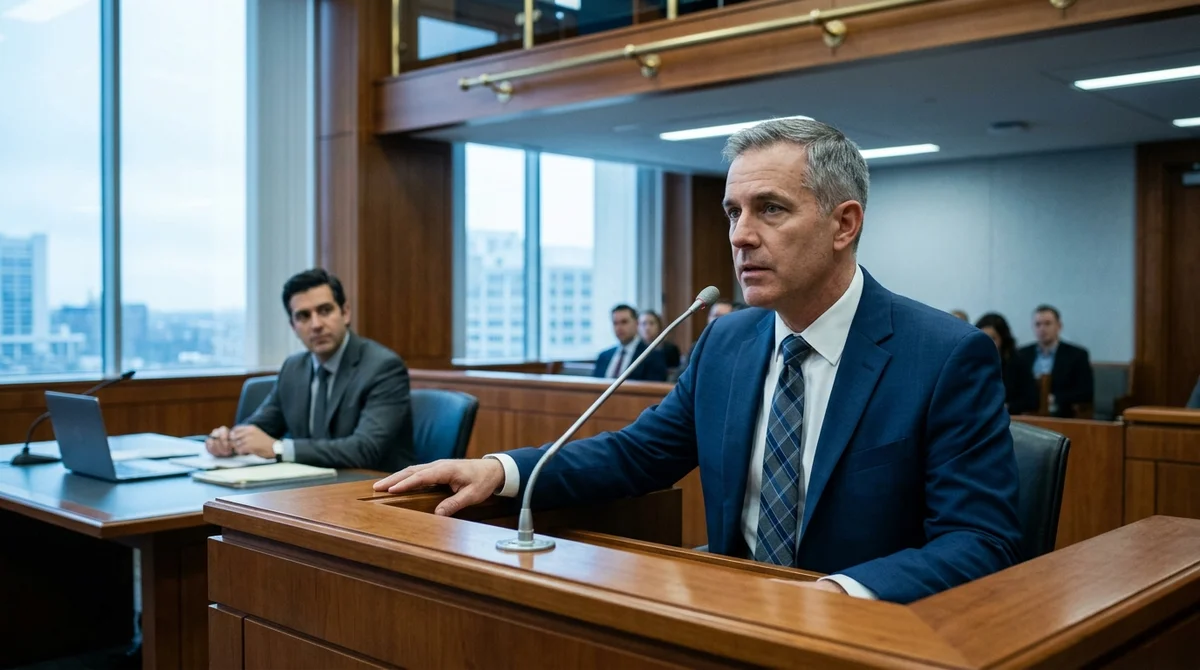
In the trial over Elon Musk's lawsuit against OpenAI, CEO Sam Altman testified about Musk's influence on the startup's corporate culture. Altman said bluntly that Musk did "enormous damage" to the company.
What demands did Musk make?
While at OpenAI (Musk was one of the company's co-founders in 2015), Elon demanded that president Greg Brockman and chief scientist Ilya Sutskever rank researchers by their achievements and carry out harsh cuts. In his words, the company needed to "take a chainsaw and walk through the crowd", his usual way of describing mass layoffs.
Altman acknowledged that this was indeed Musk's well-known management style, but stressed that for a research lab such an approach is completely unacceptable. A rigid hierarchy based on "ranking by results" runs against the very nature of fundamental research.
Why this did not suit science
"I don't think Mr. Musk understood how to run a good research lab," Altman said during questioning. The question concerned how Musk's departure affected morale and team dynamics.
Musk's hard-driving approach may work in manufacturing or when optimizing operating costs (as at Tesla and SpaceX), but in fundamental science it often produces the opposite result. Researchers need psychological safety, freedom to experiment and an atmosphere of trust, not a constant threat of being fired.
Visible consequences
Musk's demands had a noticeable effect on the OpenAI team:
- Lower morale among researchers
- Risk of key specialists leaving
- A weaker culture of openly exchanging ideas
- More tension between technical leaders
- Extra stress in an already intense AI development environment
"I don't think Mr.
Musk understood how to run a good research lab" — Sam Altman
What this means
The trial exposes a fundamental difference between two types of organizations. In a manufacturing company, harsh cuts and a results-based hierarchy can deliver short-term efficiency gains. In a research center, the same approach often ends in lost expertise and departing talent.
Musk's style worked at SpaceX and Tesla thanks to a clear structure and production cycles, but at OpenAI it proved destructive. The company's experience shows a simple truth: not every management method is universal. An organization's culture and structure must fit its actual mission.
- Nov 1, 2026Local models lose to Opus and Codex: 0.21 on a MacBook versus 1.00 for Codex
- Nov 1, 2026Kimi scores 96.2% on a 1C database analytics test and emerges as a fallback if Claude access is blocked
- Nov 1, 2026OpenAI Rewrites GPT Behavior Rules: Five Values and a Chain of Command
- Nov 1, 2026Google admits AI Mode cuts search revenue, shares fall 15%
Key Questions Answered
What demands did Musk make?
While at OpenAI (Musk was one of the company's co-founders in 2015), Elon demanded that president Greg Brockman and chief scientist Ilya Sutskever rank researchers by their achievements and carry out harsh cuts. In his words, the company needed to "take a chainsaw and walk through the crowd", his usual way of describing mass layoffs. Altman acknowledged that this was indeed Musk's well-known management style, but stressed that for a research lab such an approach is completely unacceptable. A rigid hierarchy based on "ranking by results" runs against the very nature of funda
Why this did not suit science?
"I don't think Mr. Musk understood how to run a good research lab," Altman said during questioning. The question concerned how Musk's departure affected morale and team dynamics. Musk's hard-driving approach may work in manufacturing or when optimizing operating costs (as at Tesla and SpaceX), but in fundamental science it often produces the opposite result. Researchers need psychological safety, freedom to experiment and an atmosphere of trust, not a constant threat of being fired.
What are the key details on Visible consequences?
Musk's demands had a noticeable effect on the OpenAI team: Lower morale among researchers Risk of key specialists leaving A weaker culture of openly exchanging ideas More tension between technical leaders Extra stress in an already intense AI development environment "I don't think Mr. Musk understood how to run a good research lab" — Sam Altman
Test Frontier LLMs & Autonomous Agents in One Workspace
Run Claude Opus 5.5, GPT-6, Gemini 3.1, and DeepSeek side-by-side in Nomad AI (nomadnet.ai) — unified model routing, deep research, and multimodal workflows under one subscription.
The AI world, distilled — once a week
Seven stories that actually mattered, hand-picked. No noise, no reposts, no press releases.
Done! Check your inbox for a confirmation.