Altman testifies: Musk caused major harm to OpenAI's culture
During the trial, Sam Altman described how Elon Musk damaged OpenAI's culture. He wanted researchers ranked by achievements and pushed for mass layoffs. Altman stressed that Musk did not understand how to run a research lab.
AI-processed from The Verge; edited by Hamidun News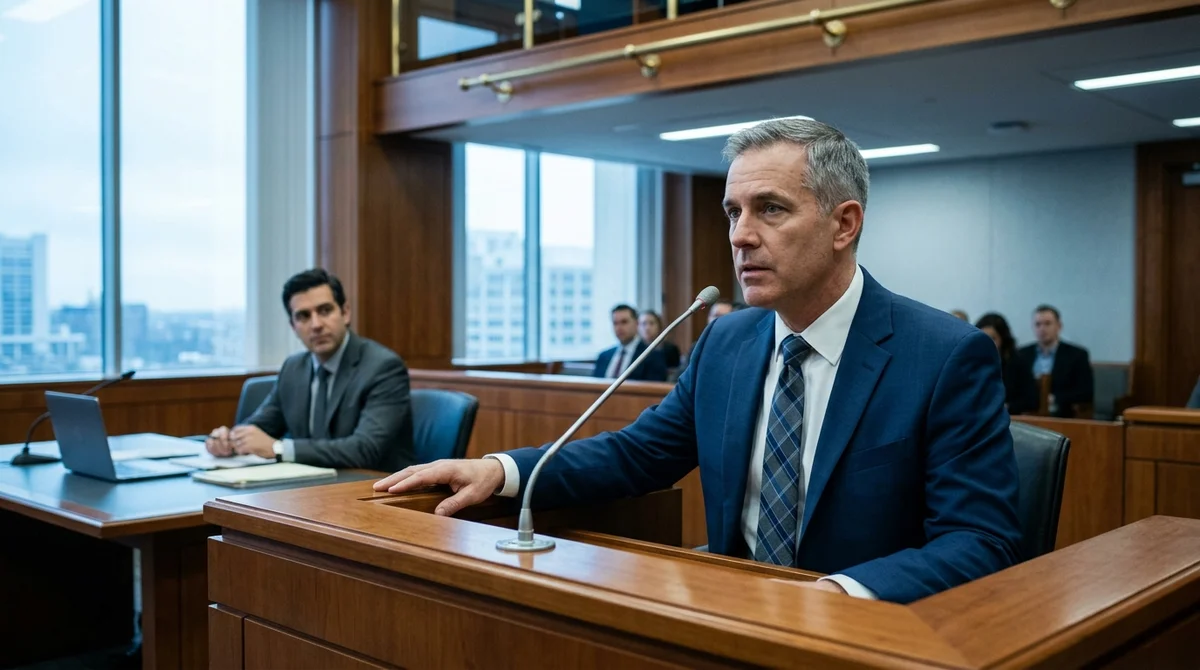
During the legal proceedings related to Elon Musk's lawsuit against OpenAI, the company's CEO Sam Altman gave testimony about Musk's impact on the startup's corporate culture. Altman directly stated that Musk had caused the company "enormous harm."
What requirements did Musk make
During his time at OpenAI (Musk was one of the company's co-founders in 2015), Elon demanded that president Greg Brockman and chief scientist Ilya Sutskever rank researchers by their achievements and conduct harsh layoffs. In his words, it was necessary to "take a saw and go through the crowd" — his usual way of describing mass layoffs. Altman acknowledged that this was indeed Musk's known management style, but emphasized: for a research laboratory, such an approach is completely unacceptable. A strict hierarchy based on "ranking by results" contradicts the very nature of fundamental research.
Why this didn't work for science
"I don't think Mr. Musk understood how to manage a good research laboratory," Altman said during questioning. The question concerned how Musk's departure affected team morale and dynamics. Musk's harsh approach may work in manufacturing or when optimizing operational costs (as at Tesla and SpaceX), but in fundamental science it often leads to the opposite result. Researchers need psychological safety, freedom to experiment, an atmosphere of trust, not constant threat of layoff.
Visible consequences
Musk's demands had a noticeable impact on the OpenAI team:
- Decline in researcher morale
- Risk of key specialists leaving
- Weakening of open culture of idea sharing
- Increased tension between technical leaders
- Additional stress in the intense AI development environment
"I don't think Mr.
Musk understood how to manage a good research laboratory" — Sam Altman
What this means
The lawsuit reveals a fundamental difference between two types of organizations. In a manufacturing company, harsh layoffs and hierarchy by results can bring short-term efficiency gains. In a research center, such an approach often results in loss of competence and talent drain. Musk's style worked at SpaceX and Tesla due to clear structure and production cycles, but for OpenAI it proved destructive. The company's experience demonstrates a simple truth: not all management methods are universal. An organization's culture and structure must match its actual mission.
Want to stop reading about AI and start using it?
AI News is a curated feed of AI/tech news. Hamidun Academy teaches you to use AI systematically in your work.
The AI world, distilled — once a week
Seven stories that actually mattered, hand-picked. No noise, no reposts, no press releases.
Done! Check your inbox for a confirmation.