YouTube expands face-based deepfake search to all adult users on the platform
YouTube is making its deepfake protection feature widely available: any user over 18 will now be able to upload a selfie scan so the platform can search for videos with a similar face. If the system finds a match, the service will send a notification and provide an option to request the content’s removal. Previously, the tool was tested only with creators, politicians, journalists, and other public figures in high-risk groups.
AI-processed from The Verge; edited by Hamidun News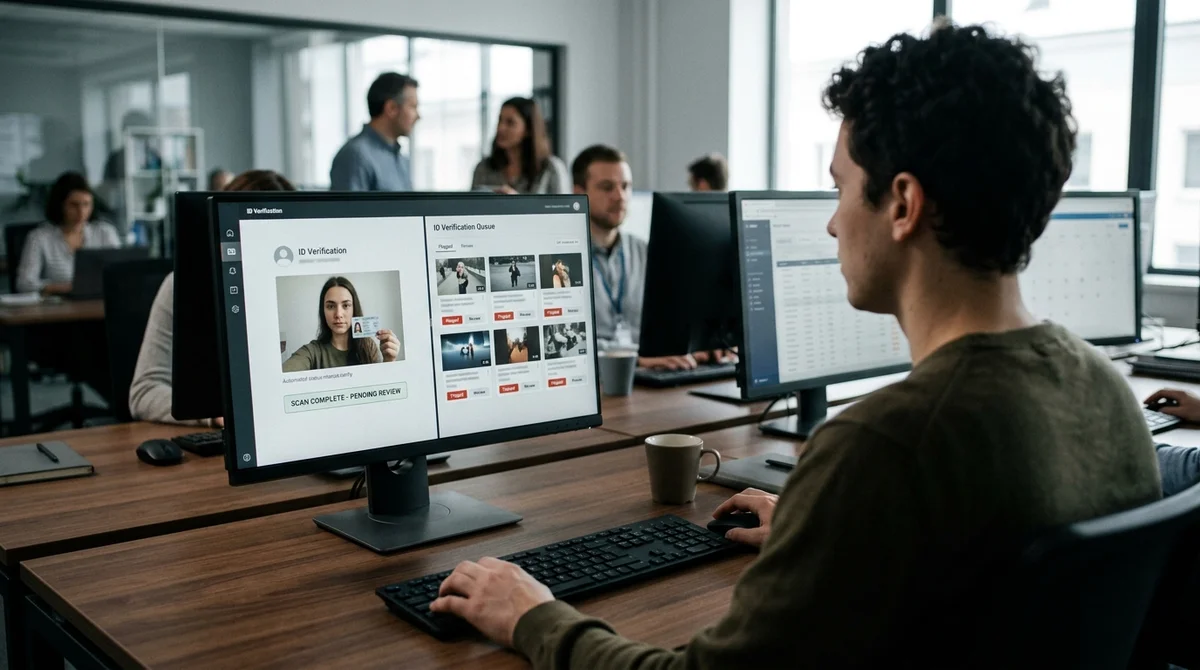
YouTube expands AI-powered deepfake detection by appearance to all users over 18. Now almost any adult can ask the platform to monitor videos where their face may have been generated or manipulated.
How the verification works
The feature is built around a selfie scan. A user undergoes a brief facial scan in selfie format, after which YouTube uses this sample to search uploaded videos for similar faces. If the system detects a probable match, it doesn't automatically delete the video or make a decision on behalf of the user.
Instead, the service sends a notification to the person whose face was detected, and they decide whether to submit a removal request. This approach keeps control with the user and reduces the risk of erroneous blocks based solely on a signal from the model. YouTube has already stated that the number of removal requests through this mechanism has been small.
This is an important detail: the company is trying to show that the tool is needed not for mass cleanups, but as insurance for cases when a deepfake actually affects someone's reputation, safety, or right to their own image. For the platform, it's also a way to shift the fight against deepfakes from reactive mode—when a complaint comes after the fact—to earlier detection of potentially harmful content.
According to
YouTube, the number of removal requests was "very small."
Who has access
YouTube first tested the tool with content creators, who face particularly high risks of deepfakes: fake interviews, ads with someone else's face, clone videos. Then the program expanded beyond the creator environment and became available to some public figures—officials, politicians, and journalists. Now the company is taking the next step and opening the system to all adult users.
This shifts the feature from targeted protection for at-risk groups to a basic consumer tool. In practice, this means not only media personalities but also ordinary users concerned about fake videos with their own faces can use deepfake detection. Against the backdrop of growing generative services, such a shift seems logical: the risk of personal deepfakes is ceasing to be a problem only for celebrities.
Moreover, this is no longer a niche scenario. YouTube is currently talking about users 18 and older, so the program is expanding broadly, though not without age restrictions.
What YouTube will do
The new scheme doesn't promise perfect automated control, but it makes the process transparent. YouTube handles monitoring and initial detection of similar faces, while the user gets a clear entry point for further action. In product logic, this is an important compromise between security, privacy, and freedom of publication: the system helps identify a potential problem but doesn't become a fully closed filter. It also relieves the person of some manual searching for suspicious videos.
- undergo a selfie scan to create a facial reference
- wait for the service to check YouTube for similar images
- receive a notification if a probable match is found
- decide whether to submit a content removal request
The key point is that YouTube doesn't promise to delete all found matches with one click. First, the person must confirm that the video actually uses their appearance or affects their right to their image, and only then launch the deletion procedure. This leaves room for handling disputed cases, context, and possible algorithm errors, and shows that the company is cautiously implementing anti-deepfake mechanics without turning it into an uncontrolled complaint tool.
What this means
YouTube is transforming deepfake protection from a privilege of creators and politicians into a mass-market platform feature. If the mechanism proves convenient and accurate, users will get a more realistic way to protect their face and reputation, and video services will take another step toward personalized moderation of AI content. For the company itself, it's also a test of how personal complaints can be enhanced with AI search without full automation of decisions. If the experiment succeeds, other major video platforms will likely adopt this approach as well.
Need AI working inside your business — not just in your newsfeed?
I build production AI for companies — custom CRM, internal tools, autonomous agents, workflow automation. Owned by you, shaped to your process, no per-seat tax. Built by Zhemal Khamidun, CPO of AlpinaGPT (AI platform, 6,000+ users).
The AI world, distilled — once a week
Seven stories that actually mattered, hand-picked. No noise, no reposts, no press releases.
Done! Check your inbox for a confirmation.