YouTube expands AI likeness detection to celebrities — now they can fight deepfakes
YouTube is rolling out an AI-based tool to detect celebrity deepfakes. Performers and their representatives will now be able to automatically find videos using their likeness without permission and request their removal from the platform. YouTube is expanding AI likeness-detection technology to a broad range of public figures — access to it had previously been limited. This is a response to the growing wave of synthetic media generated by neural networks.
AI-processed from TechCrunch; edited by Hamidun News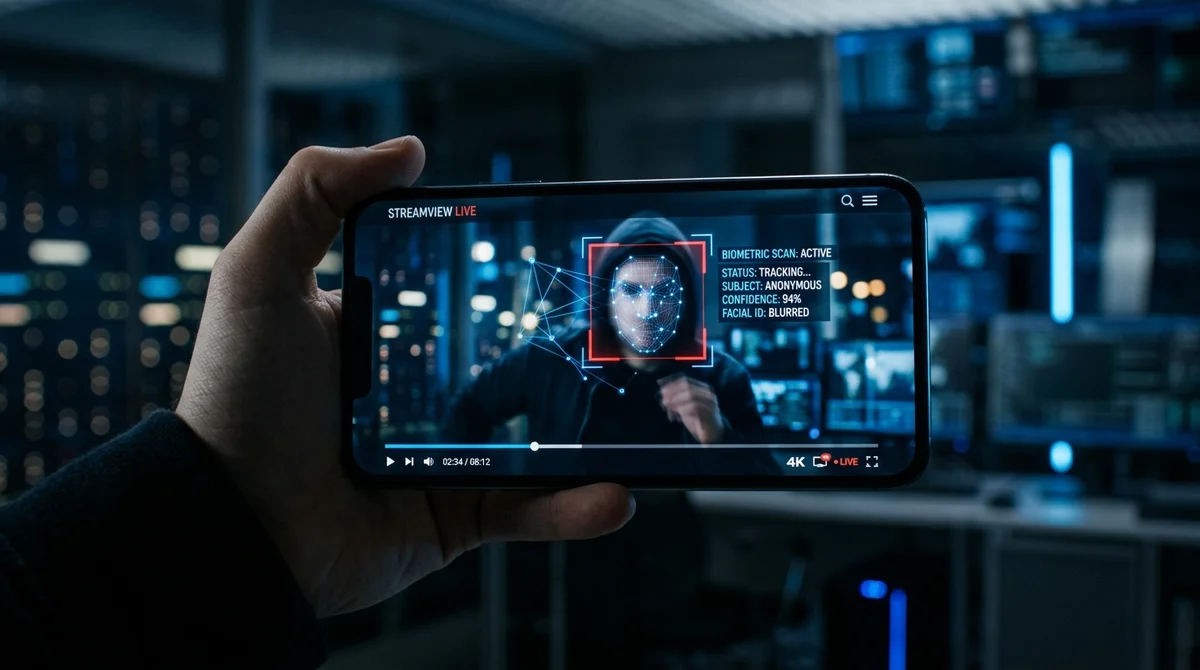
YouTube has announced the expansion of its AI-powered facial recognition tool for celebrities — artists and their representatives will now be able to automatically detect deepfakes and push for their removal from the platform. Deepfakes are synthetic videos where neural networks overlay someone else's face or voice onto existing recordings — they have become one of the main problems for public figures over the past two years. Tools for generating such content are becoming increasingly affordable and accessible: today, creating a convincing deepfake of a famous person is possible for free, in just a few minutes, without specialized knowledge. YouTube, with more than two billion monthly active users, has become one of the main platforms for distributing such content.
Until now, the AI-powered facial recognition technology was available only to a limited circle of partners — primarily labels and artists from the music industry with whom YouTube has direct agreements. Now the platform is expanding access to the tool to celebrities in general: actors, athletes, TV hosts, major bloggers and other public figures. Their managers, agencies and legal representatives will be able to register the client's appearance data in the YouTube system, after which the algorithm will begin automatically scanning uploaded videos and flagging materials that potentially use the registered person's appearance without their consent.
The mechanism is similar to the already familiar Content ID system, which YouTube has long used to protect copyright on music and video. Only instead of an audio fingerprint or video signature, the new system compares biometric facial characteristics. Detected material is not automatically deleted — instead, the celebrity's representative receives a notification and can initiate a removal request.
The final decision rests with YouTube's moderation team.
This step appears to be a logical continuation of the platform's policy regarding synthetic content. In 2024, YouTube required creators to label realistic AI-generated content with a special tag. That same year, the company introduced a complaint mechanism by which anyone can request the removal of a video depicting them in synthetic form without consent. The AI detection tool takes this process to the next level: the system itself identifies violations without waiting for a complaint from the victim.
The problem of deepfakes has become particularly acute following several high-profile cases. In early 2024, synthetic intimate images of Taylor Swift were massively distributed online — this sparked a wave of public outrage and launched a discussion about legislative regulation. That same year, several major influencers discovered that their faces were being used in deepfake advertisements promoting fraudulent financial schemes. YouTube loads more than 500 hours of video every minute — manual moderation of such volume is physically impossible.
For YouTube, the initiative has a commercial dimension as well: celebrities and their labels are major advertising partners and the main suppliers of monetizable content. Scandals involving deepfakes damage the reputation not only of the victims, but of the platform itself. Developing protection tools is a way to retain major partners in the entertainment industry and position itself as a responsible platform against the backdrop of increasingly stringent regulation.
The European AI Act, entering into force in phases from 2025 to 2027, directly requires the labeling of synthetic content. California has already passed laws criminalizing the creation and distribution of deepfakes in political and intimate contexts. Platforms that do not demonstrate active work in this area risk facing regulatory sanctions.
What remains an open question is the real scale: how many celebrities will gain access to the tool, how accurate the detection is, and whether protection against false complaints is envisioned. YouTube has not yet disclosed technical details.
Need AI working inside your business — not just in your newsfeed?
I build production AI for companies — custom CRM, internal tools, autonomous agents, workflow automation. Owned by you, shaped to your process, no per-seat tax. Built by Zhemal Khamidun, CPO of AlpinaGPT (AI platform, 6,000+ users).
The AI world, distilled — once a week
Seven stories that actually mattered, hand-picked. No noise, no reposts, no press releases.
Done! Check your inbox for a confirmation.