YouTube expands face-based deepfake detection to all adult users
YouTube is taking its deepfake protection feature mainstream: any user over 18 can now upload a selfie scan so the platform can search for videos featuring a similar face. If the system finds a match, YouTube will send a notification and give the user the option to request that the content be removed. Until now, the tool had only been tested with creators, politicians, journalists, and other at-risk public figures.
AI-processed from The Verge; edited by Hamidun News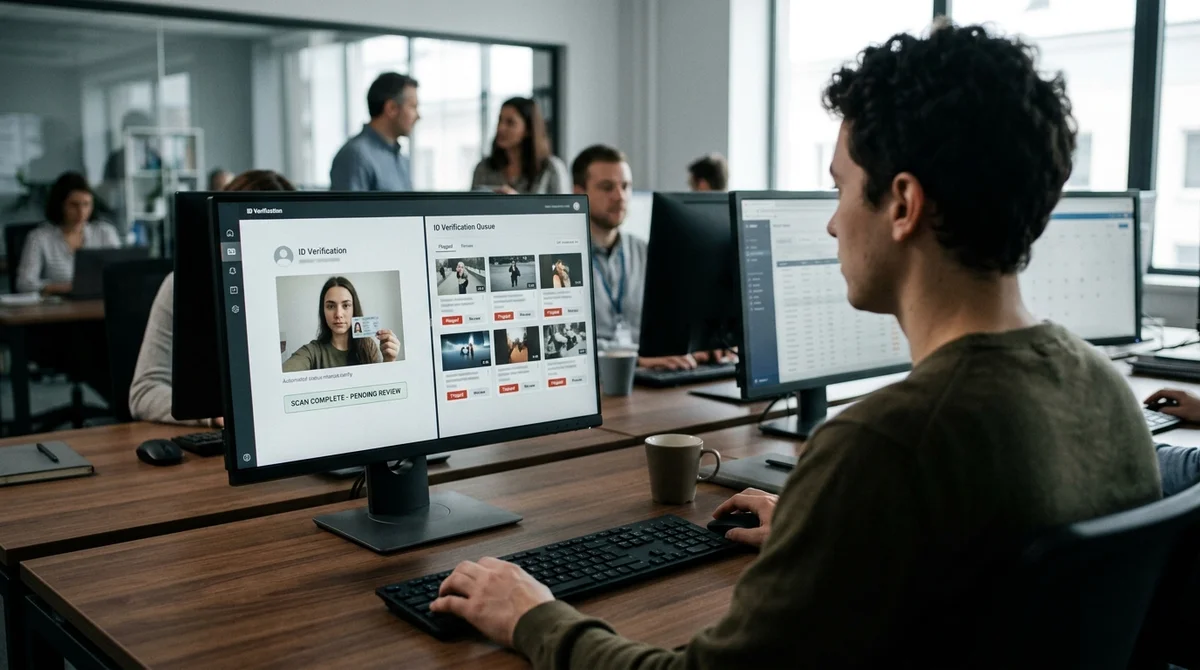
YouTube is expanding its AI-powered likeness detection program for deepfakes to all users over 18. Almost any adult can now ask the platform to monitor for videos in which their face may have been generated or manipulated.
How the check works
The feature is built around a selfie scan. A user completes a short selfie-style face scan, and YouTube then uses that sample to look for similar faces in uploaded videos.
If the system spots a likely match, it does not automatically remove the video or make the decision on the person's behalf. Instead, it notifies the owner of the face, who then decides whether to file a removal request. This approach keeps the user in control and reduces the risk of wrongful takedowns based on a model signal alone.
YouTube has already said that the number of removal requests filed through this mechanism has been small. That detail matters: the company is trying to show that the tool isn't meant for mass purges, but as a safeguard for cases where a fake genuinely affects someone's reputation, safety, or right to their own likeness. For the platform, it's also a way to shift the fight against deepfakes from a reactive mode, where complaints arrive after the fact, toward earlier detection of potentially harmful content.
According to
YouTube, the number of removal requests has been "very small."
Who can use it
YouTube first tested the tool with content creators, for whom the risk of fakes is especially visible: fake interviews, ads using someone else's face, and clone videos. The program then expanded beyond creators to some public figures — officials, politicians, and journalists.
Now the company is taking the next step and opening the system to all adult users. That moves the feature from targeted protection for at-risk groups to a baseline consumer tool.
In practice, this means deepfake detection is no longer limited to people in the public eye: an ordinary user can use it too if they're worried about a fake video featuring their own face. With generative services on the rise, the shift makes sense: the risk of personal fakes is no longer just a celebrity problem. And this is no longer a niche scenario. For now, YouTube is talking specifically about users 18+, so the program is expanding broadly, but not without an age restriction.
What YouTube will do
The new setup doesn't promise perfect automated control, but it does make the process itself clear. YouTube handles monitoring and initial detection of similar faces, while the user gets a clear entry point for next steps.
In product terms, this is an important compromise between safety, privacy, and freedom to publish: the system helps surface a possible problem without becoming a fully locked-down filter. It also takes some of the manual work of hunting for suspicious videos off the user's plate.
- complete a selfie scan to create a reference face
- wait while the service checks YouTube for similar likenesses
- receive a notification if there's a likely match
- decide whether to file a content removal request
The key point is that YouTube doesn't promise to remove every match with a single click. The person first has to confirm that the video actually uses their likeness or affects their right to their image, and only then start the removal process.
That leaves room to review disputed cases, context, and possible algorithm errors, and it shows the company is rolling out anti-deepfake mechanics cautiously, without turning them into an unchecked complaint tool.
What it means
YouTube is turning deepfake protection from a privilege for creators and politicians into a mainstream platform feature. If the mechanism proves convenient and accurate, users will get a more practical way to protect their face and reputation, and video services will take another step toward personalized moderation of AI content.
For the company itself, it's also a test of how AI-powered search can strengthen personal complaints without fully automating decisions. If the experiment works, other major video platforms will very likely adopt the same approach.
- Nov 1, 2026Pika Labs releases open video model H3 Flex: 6 steps instead of 50
- Nov 1, 2026Google's StreamVibe video agent beats other models by 10.7% on response timing and quality
- Oct 31, 2026AI cartoon series: a 24-second episode built ten ways, the best cost 162 credits
- Oct 31, 2026Anthropic: Fold Subagents Back Into a Single Loop — One Customer's Tasks Ran Twice as Fast
Key Questions Answered
How the check works?
The feature is built around a selfie scan. A user completes a short selfie-style face scan, and YouTube then uses that sample to look for similar faces in uploaded videos. If the system spots a likely match, it does not automatically remove the video or make the decision on the person's behalf. Instead, it notifies the owner of the face, who then decides whether to file a removal request. This approach keeps the user in control and reduces the risk of wrongful takedowns based on a model signal alone. YouTube has already said that the number of removal requests filed through
Who can use it?
YouTube first tested the tool with content creators, for whom the risk of fakes is especially visible: fake interviews, ads using someone else's face, and clone videos. The program then expanded beyond creators to some public figures — officials, politicians, and journalists. Now the company is taking the next step and opening the system to all adult users. That moves the feature from targeted protection for at-risk groups to a baseline consumer tool. In practice, this means deepfake detection is no longer limited to people in the public eye: an ordinary user can use it too
What YouTube will do?
The new setup doesn't promise perfect automated control, but it does make the process itself clear. YouTube handles monitoring and initial detection of similar faces, while the user gets a clear entry point for next steps. In product terms, this is an important compromise between safety, privacy, and freedom to publish: the system helps surface a possible problem without becoming a fully locked-down filter. It also takes some of the manual work of hunting for suspicious videos off the user's plate. complete a selfie scan to create a reference face wait while the service che
Test Frontier LLMs & Autonomous Agents in One Workspace
Run Claude Opus 5.5, GPT-6, Gemini 3.1, and DeepSeek side-by-side in Nomad AI (nomadnet.ai) — unified model routing, deep research, and multimodal workflows under one subscription.
The AI world, distilled — once a week
Seven stories that actually mattered, hand-picked. No noise, no reposts, no press releases.
Done! Check your inbox for a confirmation.