Zoetis CEO: AI strengthens the company's veterinary business
Zoetis, the world's largest manufacturer of veterinary medicines, is betting on AI. CEO Kristin Peck told Bloomberg that algorithms are already helping diagnose animal diseases before symptoms appear, speed up drug development, and predict infectious outbreaks in herds. She said the sector is "incredibly resilient" in crises: pet owners and agribusiness do not cut spending on animal health even during recessions.
AI-processed from Bloomberg Tech; edited by Hamidun News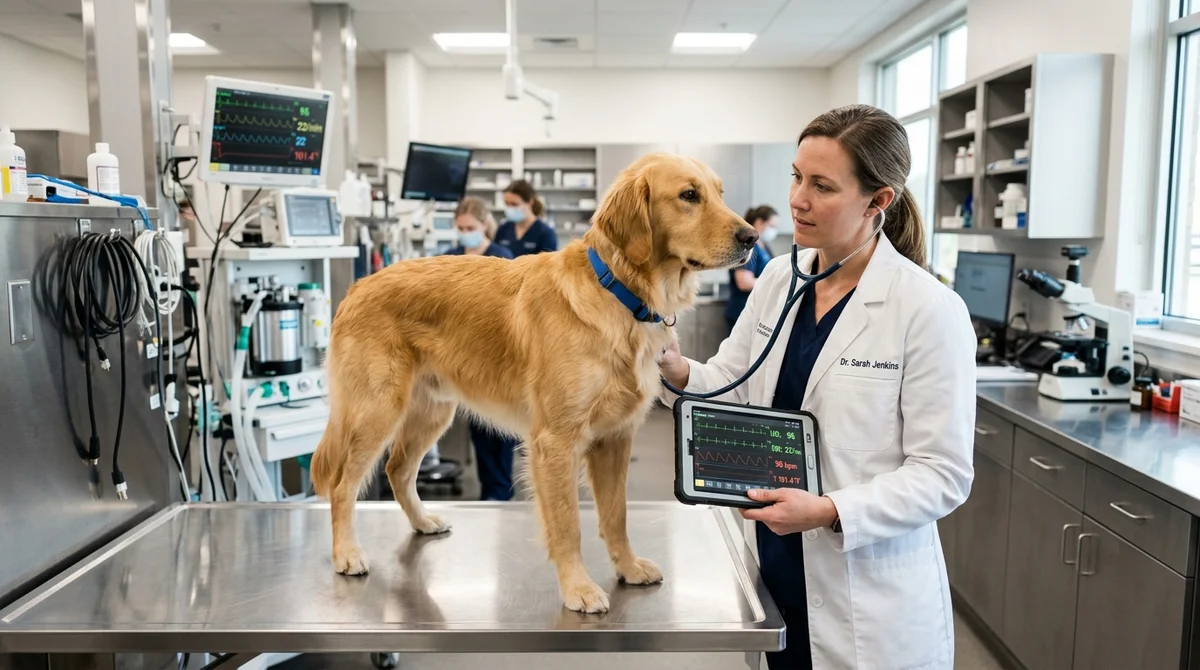
Zoetis CEO: artificial intelligence strengthens the company's veterinary business
Zoetis CEO Christine Peck told Bloomberg how artificial intelligence is transforming veterinary medicine — and why animal health business remains one of the most stable sectors in the healthcare industry.
Zoetis and the bet on AI
Zoetis is the world's largest veterinary pharmaceutical company, spun out from Pfizer in 2013. Annual revenue exceeds $9 billion, with presence in more than 100 countries. The product line includes vaccines, antiparasitic drugs, antibiotics, and diagnostic solutions for both companion animals and livestock. According to Peck, artificial intelligence is already embedded in the company's operational processes. Key areas of application:
- Early diagnosis of diseases based on behavioral patterns and wearable device data
- Biometric analysis through smart collars, sensors, and embedded microchips
- Acceleration of drug development — from molecule discovery to clinical trials
- Prediction of infectious disease outbreaks in cattle herds
- Personalization of treatment regimens based on accumulated data about a specific animal
Why the industry is "incredibly resilient"
According to Peck, veterinary medicine historically demonstrates high resilience to economic downturns. Pet owners continue to spend on their pets' health even during crises — this market has grown several times over the past decade. In the United States, there are more than 90 million domestic cats and dogs, and average spending on veterinary care steadily grows year after year. In the agricultural segment, resilience is ensured by a different mechanism: animal health is directly linked to food security. Peck emphasized that food production is a basic need that is not abandoned even in recession. This is what makes the veterinary business structurally protected from most market risks.
How AI solves the main problem of veterinary medicine
Traditional veterinary medicine faces a fundamental problem: animals cannot describe symptoms in words. A veterinarian is forced to rely on external signs and laboratory data, which often appear already at late stages of disease — when treatment is more expensive and complex. AI changes this logic.
Algorithms analyze indirect signals: changes in motor activity, feed consumption, body temperature, heart rate — all collected by wearable devices in real time. The system is able to identify alarming patterns before symptoms become clinically obvious, and warn the owner or veterinarian in advance. Zoetis actively invests in digital diagnostic platforms and is deploying them in partner clinics around the world.
The strategic goal is a transition from reactive to preventive medicine: not "treat when sick," but "prevent weeks before the first symptoms."
What this means
Veterinary medicine is becoming one of the unexpected growth points for AI technology in healthcare. Zoetis demonstrates that a sector protected from crises and digital transformation is a beneficial combination, not a contradiction. For developers and investors, this is a signal: the animal health niche is undervalued in terms of AI potential.
Want to stop reading about AI and start using it?
AI News is a curated feed of AI/tech news. Hamidun Academy teaches you to use AI systematically in your work.
The AI world, distilled — once a week
Seven stories that actually mattered, hand-picked. No noise, no reposts, no press releases.
Done! Check your inbox for a confirmation.