Musk admitted under oath: xAI used OpenAI models for distillation when building its systems
Under oath, Elon Musk effectively confirmed that xAI used OpenAI models to train its own systems through distillation. Answering lawyers' questions, he did not deny the fact and said it is standard practice in the AI industry. Meanwhile, OpenAI's terms of use explicitly prohibit using its outputs to train competing systems. If the court finds this was a violation, the precedent will affect the entire industry.
AI-processed from Wired; edited by Hamidun News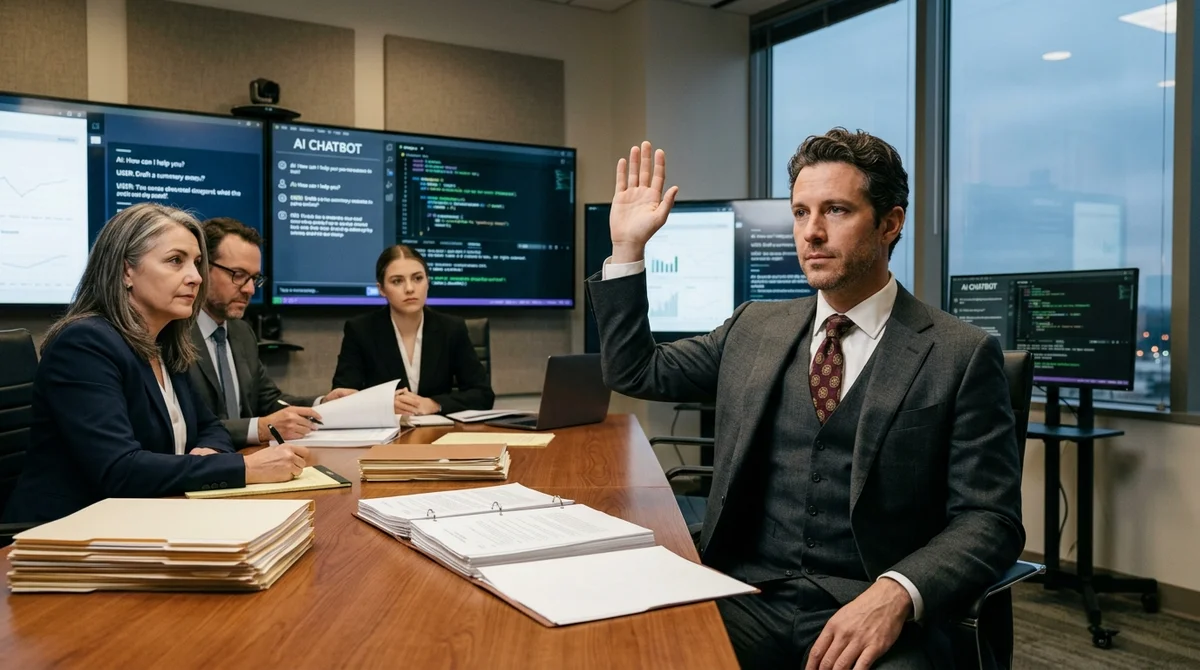
Elon Musk, during sworn testimony, effectively confirmed that xAI used OpenAI's models for distillation when training its own systems. When questioned by attorneys, he did not deny the use of competing models and stated that this is standard practice across the entire AI industry.
What happened at the deposition
Musk gave testimony as part of legal proceedings related to his ongoing conflict with OpenAI. The testimony was made public through the court proceedings: according to the transcript, attorneys directly asked whether xAI used output data from OpenAI's models when training Grok. Musk effectively confirmed this, citing industry norms.
Distillation is a neural network training technique in which one model learns to reproduce the behavior of another, larger model. This allows creating compact and efficient systems without enormous computational costs. The technique is widespread in the industry, but its application in this case raises serious legal questions. OpenAI's terms of use explicitly prohibit using the output data of its models to train competing AI systems. If xAI violated this provision, we're no longer talking about industry norms, but about potential breach of contract.
The "everyone does it" argument
Musk built his defense around the thesis that such practices are widespread. This is partly true: the boundaries around AI training data remain blurred, and many companies use synthetically generated data or distillation from other models.
- OpenAI allegedly used YouTube data when training GPT-4, despite contradicting the platform's terms
- Meta released Llama, whose dataset contained texts generated by ChatGPT; the company later removed them at OpenAI's request
- Several Chinese AI startups were accused of distilling OpenAI's models to create cheap alternatives
- Synthetic data from one model became raw material for training others — and this is rarely disclosed publicly
Nevertheless, sworn testimony means one thing: Musk himself documented the fact for the court. Now OpenAI can use his testimony in its interests.
The Musk-OpenAI conflict
Musk is one of OpenAI's founders, having invested approximately 50 million dollars in the company at its inception. In 2018, he left the board of directors, citing a conflict of interest with Tesla. After that, he consistently attacked the company publicly and in 2024 sued it — accusing it of abandoning its original non-profit mission. Alongside the lawsuits, Musk founded xAI and launched Grok — a competing chatbot available to users of the X platform. Against this backdrop, the admission that Grok could have been trained on OpenAI's data puts him in an awkward position: the company he's attacking in court turned out to be part of his own technology stack.
"This is standard practice for AI labs,"
Musk stated during his deposition.
What it means
The story raises a question that has long been brewing in the AI industry: are model usage terms legally binding if their violation is effectively unverifiable? If the court recognizes distillation of competing models as a breach of contract, the precedent will affect the entire industry — from major labs to startups building products on top of others' APIs.
Want to stop reading about AI and start using it?
AI News is a curated feed of AI/tech news. Hamidun Academy teaches you to use AI systematically in your work.
The AI world, distilled — once a week
Seven stories that actually mattered, hand-picked. No noise, no reposts, no press releases.
Done! Check your inbox for a confirmation.