Antioch raises $8.5M to become the Cursor for robot developers
Startup Antioch has raised $8.5 million in seed funding to build simulation tools for robot developers. The company wants to be the Cursor of physical AI, embedding AI directly into how robotic systems are designed and trained. The analogy is deliberate: Cursor radically changed software development, and Antioch intends to do the same for physical machines. The potential audience runs to hundreds of thousands of engineers worldwide.
AI-processed from TechCrunch; edited by Hamidun News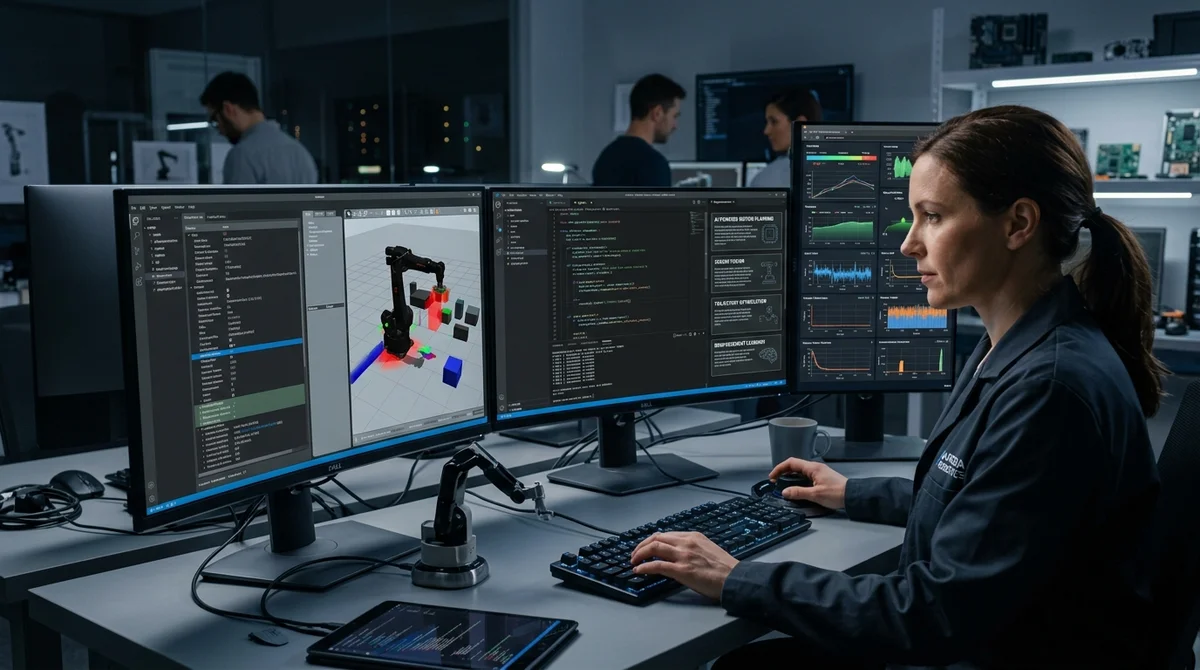
Startup Antioch has raised $8.5 million in a seed round. The money will go toward simulation tools for a new generation of robot developers. The company pitches itself as the Cursor for physical AI: the same principle of transforming a working tool through built-in AI, but aimed not at programmers writing code but at engineers building physical machines.
The comparison with Cursor is deliberate and apt. In a few years, Cursor went from a little-known code editor to one of the fastest-growing tools in the history of the tech industry. Its secret is simple: AI is built into the workflow rather than bolted on as an optional add-on. Developers don't switch between tabs and tools. Context, suggestions, code generation and refactoring all happen where the work happens. Antioch aims to reproduce that effect for physical machines by rethinking how engineers design, test and train robotic systems.
Physical AI is one of the hottest areas of 2026. After the rise of language models, venture capital and big technology companies shifted their attention to systems that act in the real world: industrial robots, autonomous vehicles, humanoid platforms and smart warehouses. Figure AI, Physical Intelligence, Boston Dynamics and dozens of other companies have raised several billion dollars combined over the past two years. The market is hot, but the infrastructure layer of tools for robot developers is only now taking shape.
The key problem in building robotic systems is the gap between simulation and reality, the so-called sim-to-real gap. A model that works flawlessly in a virtual environment often behaves unpredictably on contact with the physical world: a different material, different lighting, unexpected vibration. Antioch intends to narrow exactly this gap. The next-generation tools are meant to let developers iterate faster, reproduce real-world physics more accurately and lower the overall cost of developing robotic systems.
Traditional simulation environments such as Gazebo, NVIDIA Isaac Sim, MuJoCo and PyBullet are powerful and well developed, but they demand significant expertise and time to learn. An engineer moving from academia to a startup often spends weeks on setup and configuration instead of building the system itself. Antioch is betting on accessibility and speed: if its tool works as intended, developers will be able to focus on what really matters.
An $8.5 million seed round is a solid starting sum for a niche with heavy infrastructure demands. Real-time physics simulation, integration with modern ML frameworks and support for different robot form factors all require serious investment in team and technology. NVIDIA has been investing actively in the segment for several years through its Isaac platform, and Google DeepMind works on simulation for reinforcement learning. Even so, the space for independent developer tools remains open.
Antioch is a sign that the infrastructure layer of physical AI is starting to take shape in earnest. Language AI got its Cursor, GitHub Copilot and LangChain, and that radically sped up development. Physical AI doesn't have such tooling yet. Whoever builds the standard working tool for robot developers first will gain a structural advantage in a market that is only beginning to open up.
- Nov 2, 2026Bun creator uses Claude Code to port 750K lines from Zig to Rust in 11 days
- Nov 2, 2026mcp-linter finds 18 undescribed parameters in Anthropic's filesystem server
- Nov 2, 2026The Verge reviewer builds a $50 Meta Muse Charm alternative with Claude Code
- Nov 2, 20268 Skills for video in Claude Code: from 244 pixel effects to rough-cut editing
Build & Ship Production AI Agents Without Boilerplate Code
Start your free 72-hour trial at Hamidun Academy (academy.hamidun.com) — interactive lessons on Claude Code & Cursor, live Tech Radar, and production agent templates.
The AI world, distilled — once a week
Seven stories that actually mattered, hand-picked. No noise, no reposts, no press releases.
Done! Check your inbox for a confirmation.