Wikipedia vs. AI: How to Fight 'Machine' Text
The Wikipedia community has developed a tool for spotting and avoiding the traits typical of AI-generated text. Paradoxically, the same tool can also mask the machine origin of content, creating new challenges for the fight against disinformation. The tool grew out of a list of markers that volunteers compiled over several years.
AI-processed from Ars Technica; edited by Hamidun News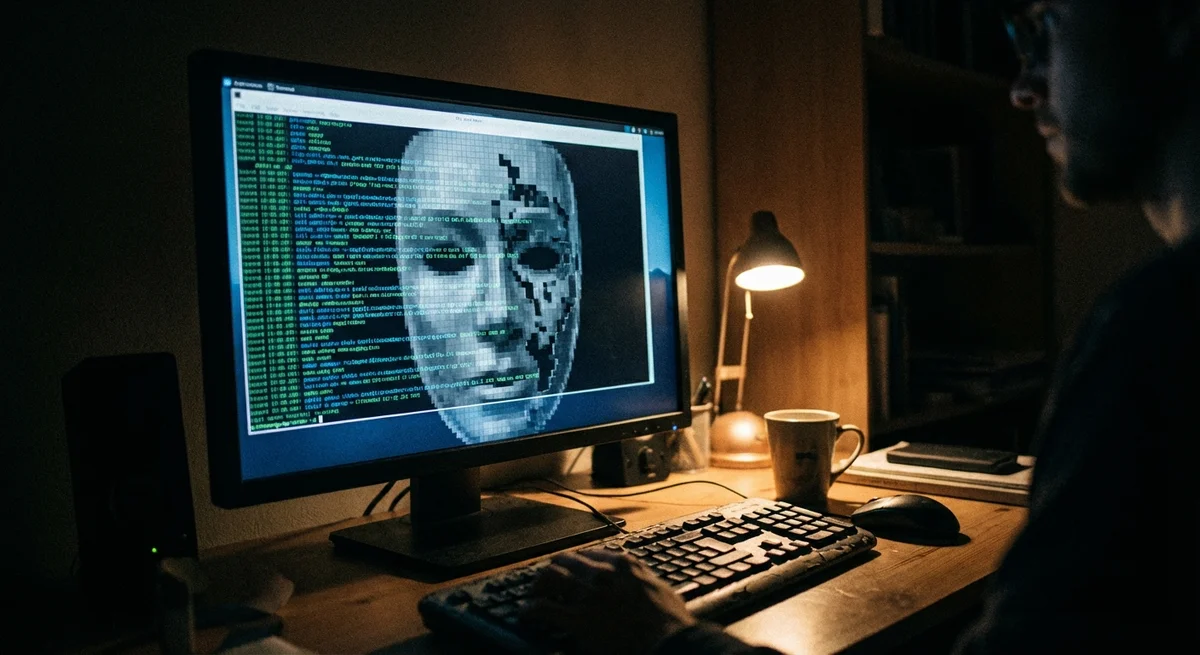
An interesting struggle is unfolding in the world of artificial intelligence. On one hand, neural networks produce more and more content, which raises the question of whether information is authentic. On the other, enthusiasts are looking for ways to detect "machine" text and tell it apart from text written by humans. One of the most striking examples of this struggle is a project that started inside Wikipedia.
For several years, Wikipedia volunteers painstakingly collected and cataloged the signs that give away text generated by artificial intelligence. The result is a detailed list of "markers" pointing to the machine origin of content: specific phrases, unusual sentence structure, repetition, a lack of emotional coloring, and so on. The list became a kind of guide for anyone trying to separate truth from fiction in the age of AI's boom.
The irony is that this list was used to build a plugin that helps... hide the signs of "machine" text. Now anyone can use the tool to "edit" text generated by a neural network and make it read more like something a human wrote. That raises new questions for the community: how do you fight disinformation if telling it apart from the truth keeps getting harder?
Such a plugin cuts both ways. On one hand, it can help improve the quality of AI-generated text and make it more readable and understandable for people. On the other, it opens new opportunities for bad actors, who may use it to spread fake news and manipulate public opinion. This is especially relevant in the context of political campaigns and social conflicts.
In the long term, this situation may erode trust in information online. Users will increasingly doubt the authenticity of text, images and video, creating fertile ground for conspiracy theories and alternative facts. To prevent that, we need new methods of detecting and fighting disinformation, along with better digital literacy among the public.
One solution may be more advanced algorithms that analyze text at a deeper level and detect hidden signs of machine origin. Another option could be systems that track the provenance of content and verify its authenticity. Either way, fighting disinformation in the age of AI is a complex, multifaceted task that requires joint effort from experts, developers and users.
- Nov 2, 2026Researchers release AVID dataset: 68.1% of targets have a bounding box side of just 8–16 pixels
- Nov 2, 2026Karpathy Built HackerTube, a Catalog of 6,454 Videos, in Two Hours with Claude Code
- Nov 2, 2026Cosmos generated training video for drones: detector mAP@50–95 up 10.3%
- Nov 2, 2026Karpathy builds a YouTube clone with 6454 videos from Hacker News recommendations in two hours
Test Frontier LLMs & Autonomous Agents in One Workspace
Run Claude Opus 5.5, GPT-6, Gemini 3.1, and DeepSeek side-by-side in Nomad AI (nomadnet.ai) — unified model routing, deep research, and multimodal workflows under one subscription.
The AI world, distilled — once a week
Seven stories that actually mattered, hand-picked. No noise, no reposts, no press releases.
Done! Check your inbox for a confirmation.