Anthropic CEO Dario Amodei Criticizes Nvidia at Davos
At the World Economic Forum in Davos, Anthropic CEO Dario Amodei sharply criticized the policies of the US administration and of American chipmakers. The main point of contention was plans to sell technology to China. The situation is extraordinary because one of the chief targets of the criticism was Nvidia, a key partner of and investor in Anthropic. The episode highlights a growing conflict between national security concerns and the commercial interests of the biggest players in the semiconductor market, amid an AI arms race.
AI-processed from TechCrunch; edited by Hamidun News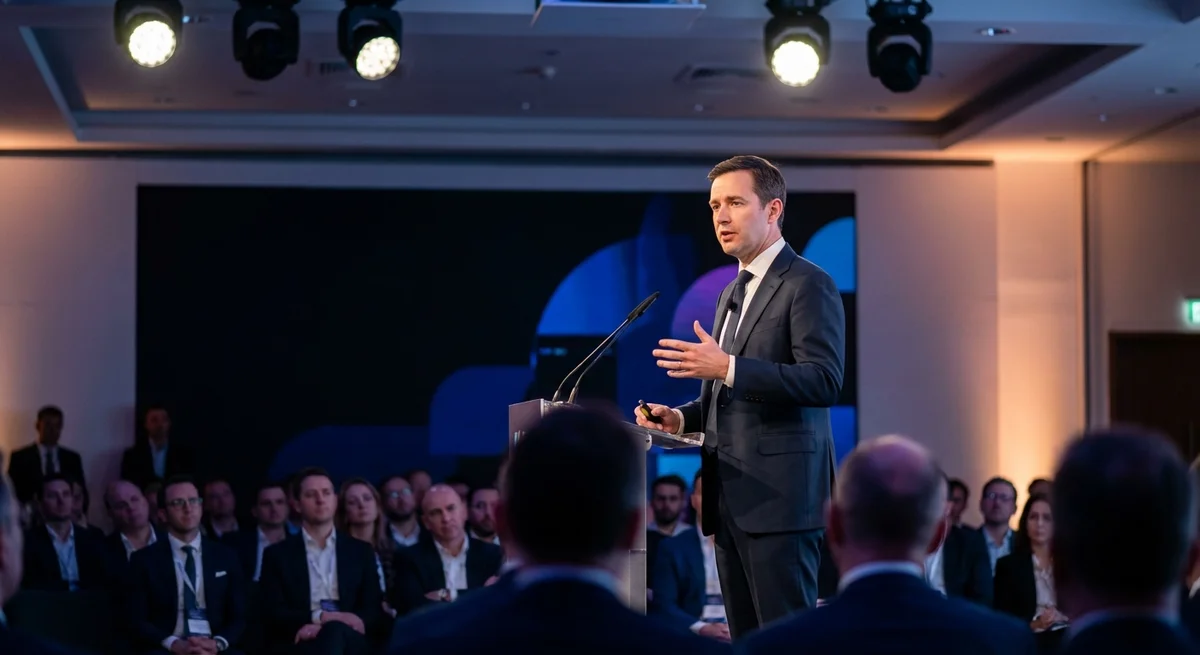
At the World Economic Forum in Davos, Anthropic CEO Dario Amodei unexpectedly delivered sharp criticism of both US administration policy and American chipmakers. The main target of his displeasure was plans to sell advanced artificial intelligence technology to China. The situation looks extraordinary given that one of the chief targets of the criticism was Nvidia, which is not only a key hardware supplier for AI systems but also a major investor in and strategic partner of Anthropic. The episode highlights a growing conflict between national security concerns and the commercial interests of the biggest players in the semiconductor market, amid a fast-moving AI arms race.
The criticism has its roots in geopolitical tension over technology development. The US wants to preserve its leadership in artificial intelligence, fearing that handing advanced chips and related technology to China could boost its military and economic potential. In response, American authorities have introduced a series of export restrictions aimed at limiting China's access to the most powerful AI chips. However, as Amodei's criticism implies, these measures meet resistance from technology companies that see huge commercial potential in the Chinese market. Nvidia, as the dominant player in AI accelerators, sits at the center of this standoff, balancing government demands against the drive for profit growth.
A closer look at Amodei's statement shows that his criticism targets not only specific export restrictions but also the overall strategy. He apparently believes the current approach may be counterproductive, potentially slowing global AI development and creating unfair advantages for competitors not subject to such restrictions. Notably, Amodei chose the World Economic Forum, where world business and political leaders gather, to air his grievances against Nvidia. That points to how serious his intentions are, and to his readiness to confront even his closest partner. The stance may stem from Anthropic's wish, as a company actively developing AI models, to secure the widest possible access to the advanced computing power needed to train and deploy its technology.
The consequences of such a statement could be many-sided. First, it may increase pressure on the US administration to revise its export policy, possibly toward a more flexible approach that takes commercial interests into account. Second, it may put Nvidia in an awkward position, forcing it to defend its stance more openly or look for compromise solutions.
For Anthropic, despite the potential risks to its relationship with Nvidia, this may be a step toward positioning itself as a leader ready to defend principles of openness and global technology development, even when that runs against current policy. More broadly, the episode underscores the growing difficulty of managing technological progress amid global competition and national interests, especially in an area as strategically important as artificial intelligence.
In conclusion, Dario Amodei's speech in Davos became a vivid example of how the interests of business, national security and technological progress intersect. The criticism of Nvidia, despite the partnership, demonstrates the depth of disagreement over the regulation and export of AI technology. The case shows that the era of rapid AI development brings not only innovation but also serious geopolitical and economic challenges, which require a balance between the drive for leadership and the need for global cooperation.
- Nov 2, 2026Karpathy builds a YouTube clone with 6454 videos from Hacker News recommendations in two hours
- Nov 2, 2026Karpathy used Claude to build HackerTube from 6,454 videos recommended on Hacker News
- Nov 2, 2026Arca gives AI agents finance tasks lasting up to 10 days, but leaves the trades to humans
- Nov 2, 2026Anthropic needs to grow revenue 32% a year to cover $850 billion in contracts
Test Frontier LLMs & Autonomous Agents in One Workspace
Run Claude Opus 5.5, GPT-6, Gemini 3.1, and DeepSeek side-by-side in Nomad AI (nomadnet.ai) — unified model routing, deep research, and multimodal workflows under one subscription.
The AI world, distilled — once a week
Seven stories that actually mattered, hand-picked. No noise, no reposts, no press releases.
Done! Check your inbox for a confirmation.