RTX 60 in 2028: Nvidia Has Finally Traded Gamers for Neural Networks
Nvidia is pushing mass production of the RTX 60 to the end of 2027, which means the cards will not reach store shelves before 2028. There are two reasons: a sharp rise in memory prices and the company's wish to devote all its manufacturing capacity to AI chips. Even the interim RTX 50 Super series will arrive later than planned. Jensen Huang has bet on the enterprise sector and language model training, leaving home users with aging hardware. It is an important signal: the era of affordable, frequently refreshed gaming hardware has officially ended.
AI-processed from 36Kr (36氪); edited by Hamidun News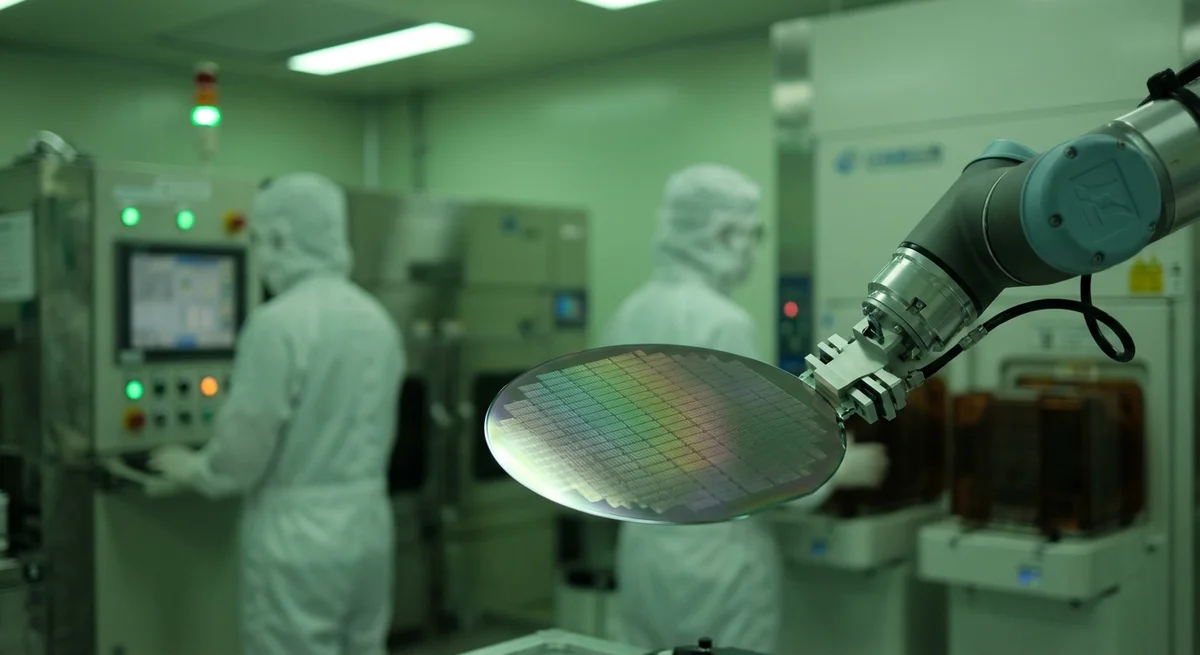
Remember when Nvidia was a company for people who liked to play video games in the evening? Those days now seem to be officially history, replaced by an era of total AI dominance. Fresh reports from insiders at The Information paint a rather bleak picture for anyone who planned to upgrade their PC in the next couple of years.
Nvidia has decided to push the launch of its next-generation RTX 60 graphics cards to the end of 2027, which means ordinary users will get them at best by 2028. The reasoning is both prosaic and cynical. First, the industry has hit another round of memory price increases, which makes consumer cards less profitable to build.
Second, and this is the main point, Nvidia is deliberately shifting its manufacturing capacity toward chips for training neural networks. When a single Blackwell accelerator earns the company tens of thousands of dollars in profit, bothering with gaming cards that sell for around fifteen hundred simply stops being interesting. The situation is made worse by the fact that the delay hits even interim products.
The RTX 50 Super lineup, which many were awaiting as a lifeline, will also arrive later than planned. This sets a dangerous precedent for the market. If we were once used to a two-year refresh cycle for flagships, Nvidia is now effectively stretching the life of current generations to five or six years.
This is not just a technical hiccup but a fundamental shift in Jensen Huang's strategy. The company no longer wants to be the "heart of the gaming PC"; it wants to be the "brain of global AI." For the industry, this means a long period of stagnation in the consumer segment.
Game developers will have to target older hardware, which will slow the progress of graphics. On the other hand, the decision confirms how high the stakes are in the arms race between OpenAI, Google and Meta*. Nvidia understands that every spare transistor now has to work on training new GPTs and Claudes, not on rendering shadows in Cyberpunk.
It is striking how quickly the company has forgotten the loyal audience that fed it for decades. Gamers now find themselves in the position of "poor relatives" at the feast of large language models. If the memory shortage persists and demand for AI accelerators keeps growing exponentially, 2028 may well turn out to be an optimistic forecast.
We are entering an era in which a graphics card becomes a luxury item not because of crypto miners, but because silicon has become too valuable to spend on entertainment. Bottom line: Nvidia has officially acknowledged that AI takes priority over the gaming market. Are you ready to stick with your RTX 3060 until 2028, or is it time to move to cloud gaming?
*Meta has been designated an extremist organization and is banned in Russia.
- Nov 2, 2026TensorFold 1.2.0 boosts Qwen3.8-27B throughput on M3 Ultra by 44.2% at 16 streams
- Nov 1, 2026Local models lose to Opus and Codex: 0.21 on a MacBook versus 1.00 for Codex
- Nov 1, 2026Habr author fine-tunes YOLOv8l on dental X-rays and pushes mAP50 to 0.642
- Nov 1, 2026Voice bots built on LLMs turn to Jev, a fast classifier, for decisions in 200–500 ms
Test Frontier LLMs & Autonomous Agents in One Workspace
Run Claude Opus 5.5, GPT-6, Gemini 3.1, and DeepSeek side-by-side in Nomad AI (nomadnet.ai) — unified model routing, deep research, and multimodal workflows under one subscription.
The AI world, distilled — once a week
Seven stories that actually mattered, hand-picked. No noise, no reposts, no press releases.
Done! Check your inbox for a confirmation.