OpenAI gets personal: why the company's lawyers are knocking on critics' doors
OpenAI has changed how it deals with opponents: company representatives now come to critics' homes with demands and threats. It is a new level of pressure in an industry that used to make do with lawyers' letters. The dispute over safety and harsh non-disclosure agreements is heating up. While Sam Altman talks about saving humanity, his team seems busy saving the company's reputation by any means. For the industry, this is an alarming signal: the line between corporate ethics and intimidation has been erased for good. The bottom line: OpenAI is ready to protect its secrets even at the cost of former employees' personal safety.
AI-processed from Futurism; edited by Hamidun News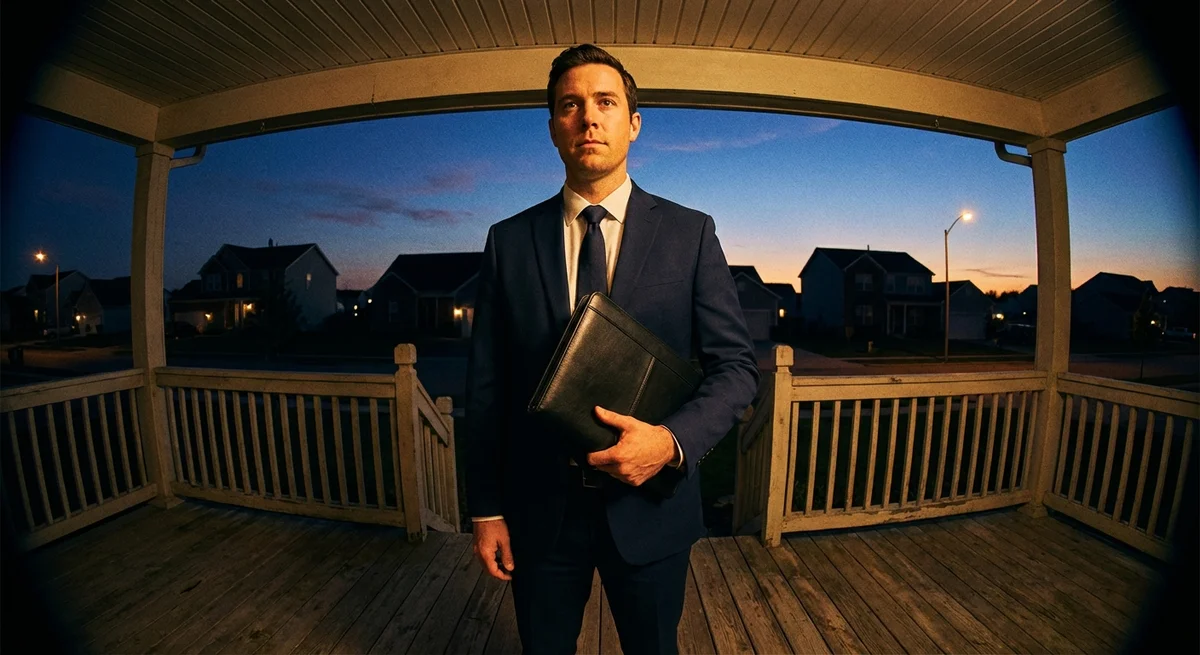
Imagine you are drinking your morning coffee when people in formal suits knock at your door. They are not couriers, or even tax inspectors. They are representatives of OpenAI, a company that promises us a bright future with artificial general intelligence but so far seems better at methods straight out of a corporate espionage textbook. The world's most valuable private company sending people to critics' home addresses sounds like the setup of a mediocre techno-thriller, yet in today's AI industry it is becoming everyday reality.
Just a couple of years ago, OpenAI was seen as a group of idealists trying to make technology available to everyone. Today the word Open in its name looks like bitter irony. We have already seen scandals over incredibly harsh non-disclosure agreements that stripped departing employees of the right to any criticism, under threat of losing stock options worth millions of dollars. Leopold Aschenbrenner and other safety researchers have already felt the heavy hand of Sam Altman's lawyers. But home visits are a move into a different league, where digital security turns into physical pressure.
Why now? OpenAI is at a critical point in its development. The company is trying to raise new billions in investment while fighting constant leaks about the capabilities of future models and internal conflicts on its board of directors. When hundreds of billions of dollars and leadership in the defining technology race of the century are at stake, ethics and the reputation of a good neighbor take a back seat. The problem is that such methods build a culture of total silence in Silicon Valley, in an industry where transparency and open discussion of risks are vital to the survival of humanity itself.
When we talk about OpenAI's critics, we mean not internet haters but former employees and experts who understand the architecture of the models deeply and see the real risks. The fact that the company knows their home addresses and is ready to use that information for personal visits shocks even seasoned tech-sector veterans. It sets a dangerous precedent: if the largest player on the market is allowed to intimidate experts outside the office, other startups will quickly adopt the practice. Instead of scientific debate, we get a game of silence under the gun of the legal department.
Sam Altman often speaks of the need for government regulation of AI, but his own management methods resemble a closed, authoritarian structure. If OpenAI truly aims to build safe AGI, such visits to opponents look counterproductive at the very least. They undermine trust not only in the company itself but in the whole concept of safe AI development. After all, if you cannot answer criticism honestly in the media, you end up sending people to apartment doors.
For the industry, this is an important wake-up call. We are watching the fight for dominance in AI turn into a war of annihilation against any opposition. While Anthropic or Google try to play at openness, OpenAI chooses the path of maximum control. The only question is how far it is willing to go to silence critics. Today it is a visit with questions; tomorrow it may be a full-scale legal war against anyone who dares doubt the safety of its next model.
The bottom line: OpenAI has finally dropped the mask of the friendly startup. Are we ready to entrust humanity's future to a company that uses debt-collector methods to fight criticism?
- Nov 2, 2026Meta's Muse assistant keeps dossiers on loved ones and gets root on Ubuntu by default
- Nov 1, 2026Local models lose to Opus and Codex: 0.21 on a MacBook versus 1.00 for Codex
- Nov 1, 2026Kimi scores 96.2% on a 1C database analytics test and emerges as a fallback if Claude access is blocked
- Nov 1, 2026OpenAI Rewrites GPT Behavior Rules: Five Values and a Chain of Command
Ship AI Faster with Founders, Engineers & Weekly Architecture Reviews
Inside Vibe Club (hamidun.com/club) — weekly live masterminds with Zhemal Khamidun, Tech Radar, full LMS access, and 370+ production Claude Code skills.
The AI world, distilled — once a week
Seven stories that actually mattered, hand-picked. No noise, no reposts, no press releases.
Done! Check your inbox for a confirmation.