Memory Revolution: AI Is Reshaping the Storage Market
The surge in memory-maker stocks is tied to the rise of AI. Investors believe AI is changing the market's cyclical character, which they say justifies the companies' high valuations. Demand for memory chips is growing exponentially as AI training and operation require huge volumes of memory.
AI-processed from Bloomberg Tech; edited by Hamidun News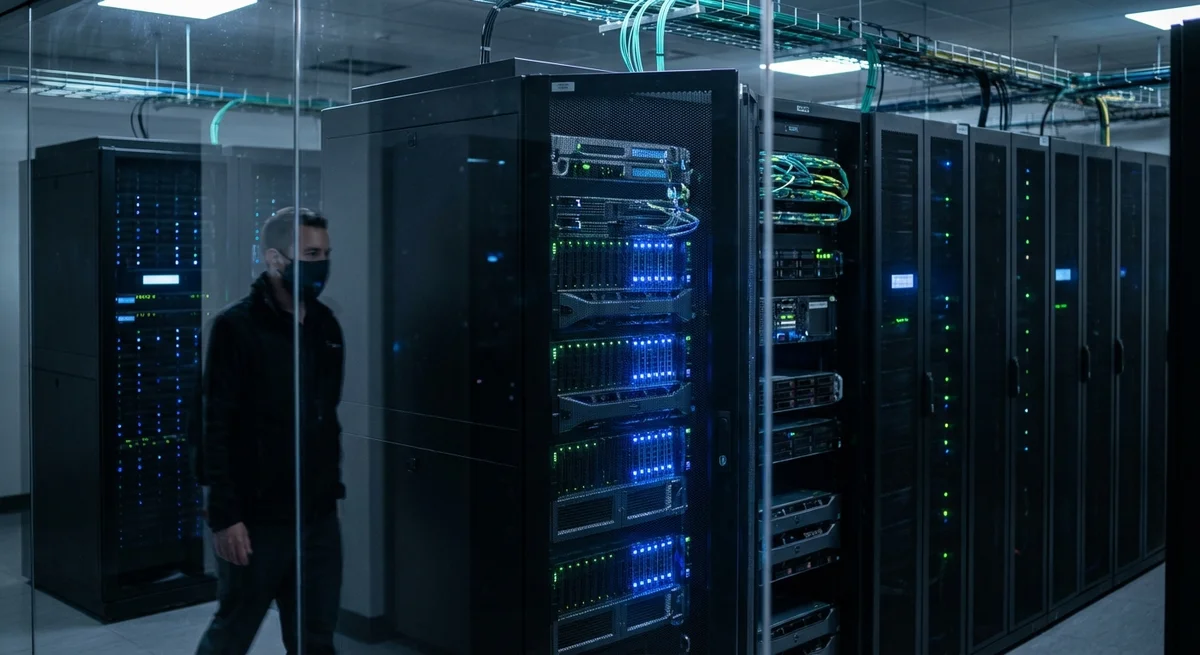
The memory market is going through something unprecedented. Shares of companies that make memory chips and data storage have become the hottest asset on the stock market. And, remarkably, investors show no concern about the sudden jump in these companies' value. The reason is a fundamental shift driven by the rapid development of artificial intelligence, which many believe is transforming the cyclical nature of this industry.
Traditionally, the memory market is prone to sharp swings. Periods of high demand and shortages give way to phases of overproduction and falling prices. But with the arrival and spread of AI technologies, which require huge volumes of memory for training and operation, demand for memory chips is growing exponentially. That sets the stage for steadier, longer-term growth.
High-performance memory such as HBM (High Bandwidth Memory), used in graphics processors (GPUs) and specialized AI accelerators, is in particular demand. Companies able to produce and supply such memory in large volumes find themselves in a strong position. Analysts note that growth in HBM demand significantly exceeds supply, which pushes prices up and increases manufacturers' profits.
AI's impact on the memory market is not limited to rising demand. It also spurs innovation and the development of new, more efficient and faster types of memory. Companies are investing heavily in research and development to meet AI's growing needs. This, in turn, leads to new technologies and products that may change the market landscape.
What does this mean for users and the industry as a whole? First, we can expect memory chip prices to keep rising, especially for high-performance solutions. That may affect the cost of computers, servers and other devices that use memory. Second, competition in the memory market will intensify as companies fight for market share and the chance to meet growing demand. Third, we will see memory technology continue to advance, aimed at improving performance and efficiency.
In conclusion, artificial intelligence is having a deep and lasting effect on the memory market. It not only drives demand growth but also fosters innovation and changes the market's structure. Investors seem convinced that this time really is different, and that the memory market will keep growing thanks to AI.
Test Frontier LLMs & Autonomous Agents in One Workspace
Run Claude Opus 5.5, GPT-6, Gemini 3.1, and DeepSeek side-by-side in Nomad AI (nomadnet.ai) — unified model routing, deep research, and multimodal workflows under one subscription.
The AI world, distilled — once a week
Seven stories that actually mattered, hand-picked. No noise, no reposts, no press releases.
Done! Check your inbox for a confirmation.