Дата-центры для ИИ подняли счета за электричество старейшего кирпичного завода Огайо на 90%
141-летний кирпичный завод Belden Brick Company из Огайо столкнулся с 90-процентным ростом расходов на электроэнергию — и проследил причину: дата-центры для…
AI-processed from TNW; edited by Hamidun News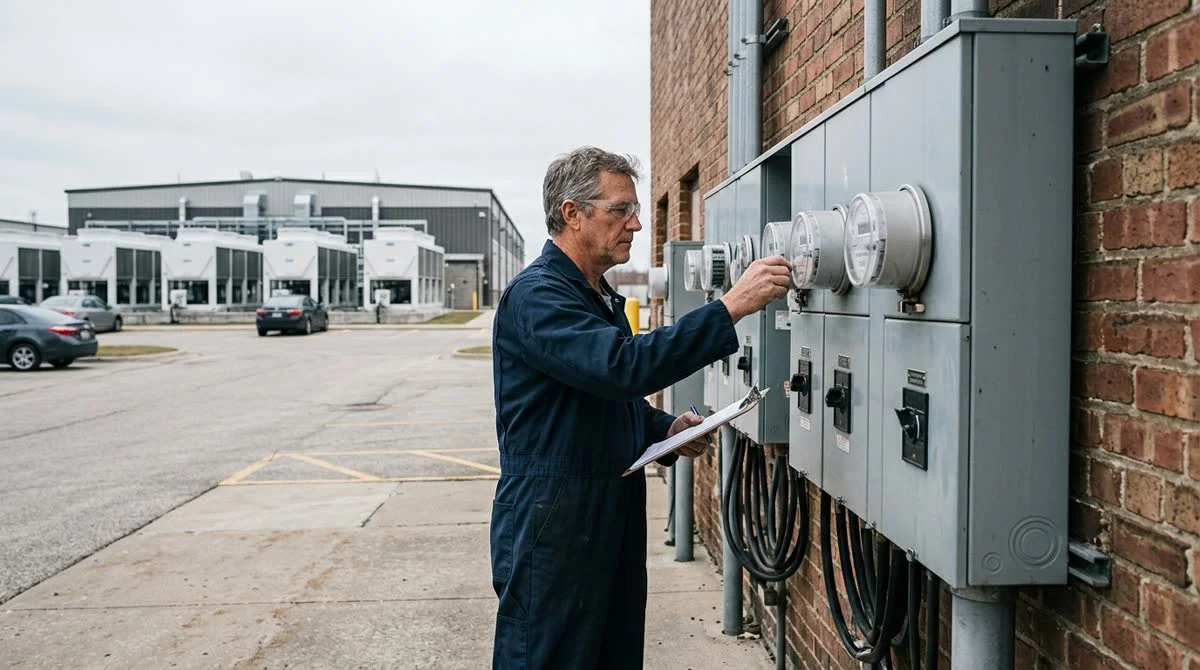
Belden Brick Company's electricity bills in Sugarcreek, Ohio, rose 90% in 2025 — and the company traced the main cause of the spike: a wave of data center construction in the region, built to provide computing power for the AI industry.
Who suffered and how?
Belden Brick Company is not just another provincial factory. The 141-year-old brick manufacturer from Sugarcreek built structures throughout America: the company's bricks are laid in the walls of the historic Alamo fort and the campus buildings of Notre Dame University. Over more than a century of operation, the company survived wars, recessions, and industrial crises — while electricity expenses remained a predictable and stable budget line item.
In 2025, this order was disrupted. The electricity bill rose 90% — and the company identified the main cause: data centers that have begun to proliferate across the region to serve growing demand for AI computing.
- Increase in electricity expenses — 90% in 2025
- Belden Brick Company was founded 141 years ago, located in Sugarcreek, Ohio
- The company's bricks were used in the Alamo fort and Notre Dame University
- The main source of growth — data centers for AI infrastructure in Ohio
Why did the "Rust
Belt" become an attraction zone for data centers?
The "Rust Belt" states — Ohio, Pennsylvania, Indiana, Michigan — over the past several years have become one of the main regions for building new data centers. A combination of factors makes them attractive: affordable land compared to the overheated coast, developed industrial energy infrastructure, historically low electricity rates, and aggressive tax incentives that states offer to technology investors.
Major technology companies have actively taken advantage of these conditions. However, the arrival of computing infrastructure changes the energy balance of the region: a single large data center consumes as much electricity as a small industrial town. When dozens of such facilities appear in a region, they begin to compete for energy capacity with traditional consumers — factories, farms, utilities — and drive up wholesale rates.
Who pays for AI boom infrastructure?
The Belden Brick story is a particular case of an escalating systemic conflict. Traditional industrial enterprises, households, and farms, unrelated to the AI economy, de facto subsidize the computing infrastructure of technology giants. The mechanism is simple: when rates for the entire network rise because of the load from new consumers, everyone connected to the network pays more — regardless of whether they use AI products or not.
A similar situation is being observed not only in Ohio — it is already characteristic of Virginia, Texas, and other states with high concentrations of data centers. A number of American energy regulators have begun to study how to distribute infrastructure costs between technology companies and other energy network consumers. However, concrete solutions remain absent, and bills continue to rise.
The traditional manufacturing sector of the United States as a whole is in a vulnerable position: it lacks the political weight of technology giants and the ability to easily pass costs to the end consumer. Brick, steel, and paper factories — these are industries that have supported employment in the "Rust Belt" for decades and now face a new form of pressure on operating expenses.
What this means
The energy footprint of AI ceases to be an abstract climate problem and becomes a direct financial blow to traditional manufacturing business. For a company that has made bricks for 141 years and receives no benefits from the AI boom, a 90% increase in bills in a single year is not statistics — it is a real burden on the business model. As data centers continue to spread across industrial regions of the United States, the question of fair distribution of infrastructure expenses of the AI economy will become increasingly politically acute.
Want to stop reading about AI and start using it?
AI News is a curated feed of AI/tech news. Hamidun Academy teaches you to use AI systematically in your work.
The AI world, distilled — once a week
Seven stories that actually mattered, hand-picked. No noise, no reposts, no press releases.
Done! Check your inbox for a confirmation.