Optical display systems are the key to AI glasses: CICC analysis
According to a CICC report, optical display systems are one of the key components of AI glasses. Meta kicked off the AI glasses era in 2023, and the market is expected to grow explosively in 2025. Government subsidies in 2026 could boost demand. Waveguide solutions are a promising direction, one that could eventually replace smartphones. *Meta is designated an extremist organization and banned in the Russian Federation.
AI-processed from 36Kr (36氪); edited by Hamidun News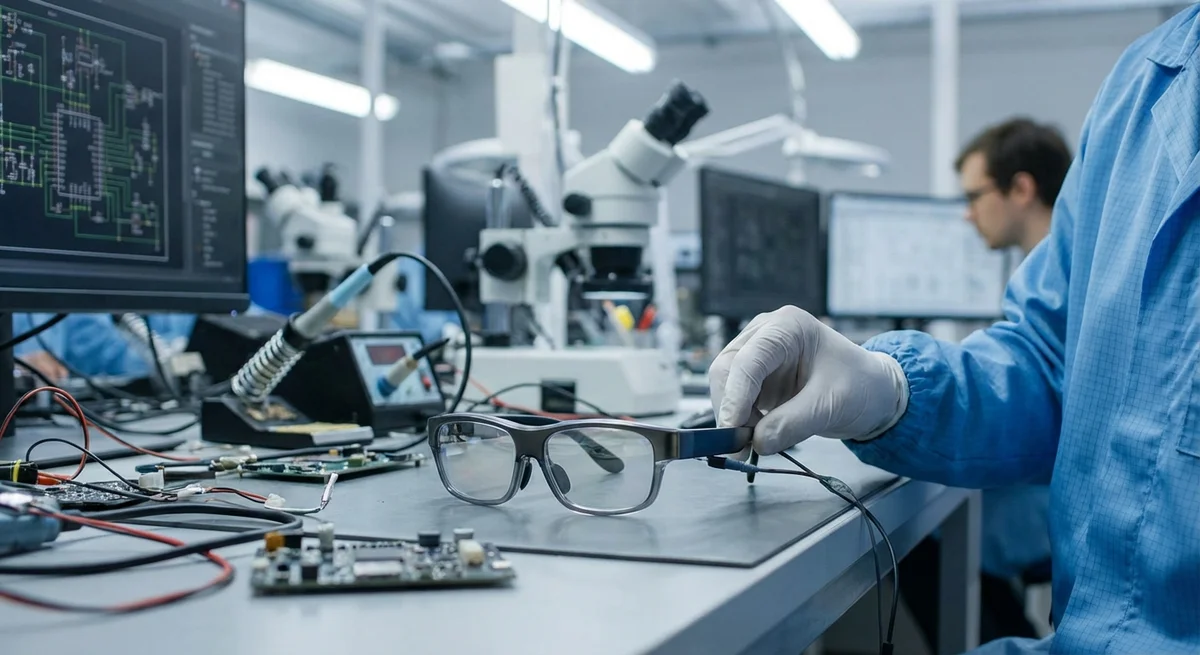
Analysts at CICC, a leading Chinese investment firm, have identified optical display systems as one of the most important components in the development of AI glasses. In a recent report, they argue that technological breakthroughs in this area will shape the future of wearable AI devices. The AI glasses market is on the verge of significant growth.
After Meta launched its AI glasses in September 2023, the industry is gearing up for a period of rapid development. CICC predicts that 2025 will be the year AI glasses "explode," and expects giants such as Google to bring products to market in 2026-2027. Government support could add further momentum: AI glasses are slated to join a state subsidy program in 2026, which will likely drive a significant increase in consumer demand.
However, AI glasses development runs into a so-called "impossible triangle": manufacturers have to trade off cost, weight, performance, and battery life. AI audio glasses and AI camera glasses have already reached a certain level of maturity, while AI+AR glasses with displays are still in active development. This is where optical display systems play a decisive role.
CICC considers waveguide solutions the most promising direction for optical systems in AI glasses. The technology enables compact, lightweight displays that project images directly onto the retina. Once waveguide technology matures enough, AI glasses will be able to replace smartphones and become a personal multimedia hub.
The outlook for the AI glasses industry looks very promising. As the technology advances and component costs fall, AI glasses will become increasingly affordable and capable. Ultimately, they could transform how people interact with the digital world, giving users new ways to work, play, and communicate.
Notably, the success of AI glasses depends heavily on solving problems with power consumption and usability. Only then will they be able to win widespread adoption and become a full replacement for smartphones. In conclusion, the CICC report highlights the importance of optical display systems for the development of AI glasses.
Technological breakthroughs in this area, especially in waveguide solutions, will shape the future of wearable AI devices and open up new possibilities for how people interact with technology. Government support and falling component costs will also play an important role in driving growth in the AI glasses market.
*Meta is designated an extremist organization and banned in the Russian Federation.
- Nov 1, 202616 models tested on 7 search tools: Exa averaged 10.5 out of 14, SearXNG about 3
- Nov 1, 2026Google's StreamVibe video agent beats other models by 10.7% on response timing and quality
- Nov 1, 2026OpenAI Rewrites GPT Behavior Rules: Five Values and a Chain of Command
- Nov 1, 2026Voice bots built on LLMs turn to Jev, a fast classifier, for decisions in 200–500 ms
Ship AI Faster with Founders, Engineers & Weekly Architecture Reviews
Inside Vibe Club (hamidun.com/club) — weekly live masterminds with Zhemal Khamidun, Tech Radar, full LMS access, and 370+ production Claude Code skills.
The AI world, distilled — once a week
Seven stories that actually mattered, hand-picked. No noise, no reposts, no press releases.
Done! Check your inbox for a confirmation.