Anthropic in talks with Microsoft over Maia 200 chips for AI inference
Anthropic is in talks with Microsoft about using Maia 200 chips for language model inference. Microsoft unveiled the processors in January 2026 as a cost-efficient option for running finished AI models. So far, Microsoft has not deployed them in its own Azure cloud infrastructure. The talks reflect fierce competition for compute capacity.
AI-processed from 3DNews AI; edited by Hamidun News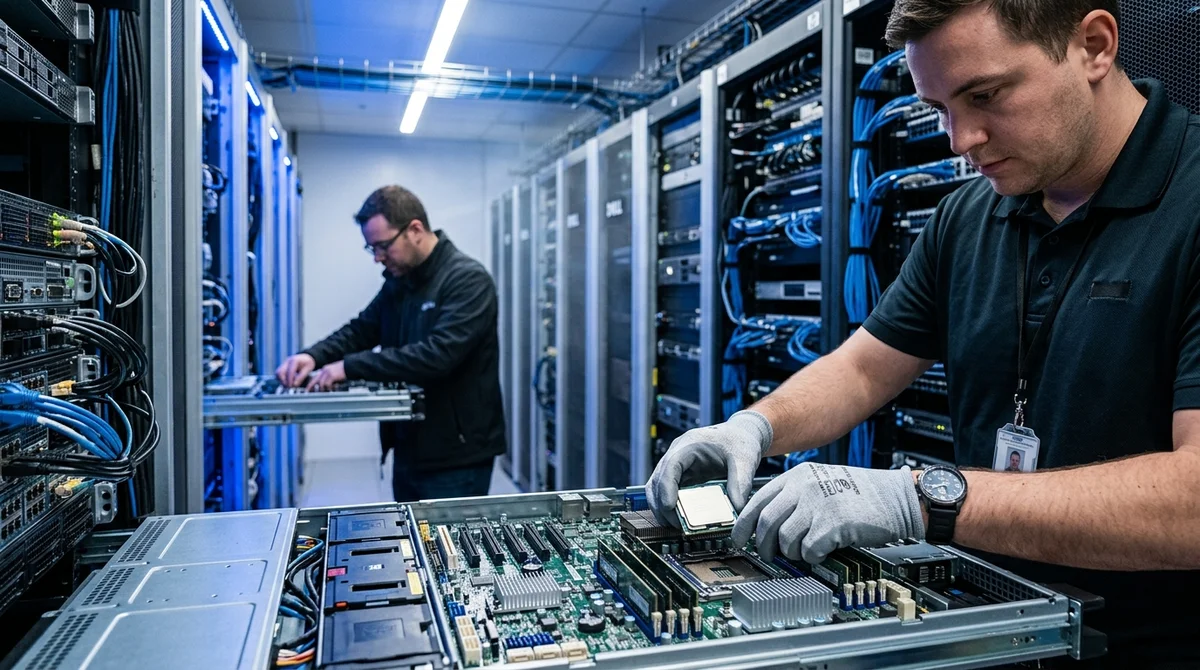
Anthropic is in talks with Microsoft about using Maia 200 chips for inference of its AI models. It is a telling signal of growing compute scarcity and of leading AI startups' willingness to use any alternative resources available.
What is Maia 200
Microsoft unveiled the Maia 200 chips in January 2026 as a specialized inference processor, built to run already trained language models in production. Unlike training GPUs, inference processors are optimized for speed and energy efficiency, allowing companies to cut significantly the cost of operating large AI services.
Maia 200 is positioned as a more affordable and energy-efficient alternative to expensive GPUs such as the NVIDIA H100. That makes it especially attractive to companies that urgently need to scale services without a catastrophic rise in infrastructure costs.
Notably, Microsoft itself has not yet deployed Maia 200 on its Azure cloud platform, even though almost a year has passed since the official unveiling. That creates an interesting situation: outside buyers such as Anthropic could potentially get access to these chips and test them in real production conditions before Microsoft begins full-scale use in its own data centers.
Why compute is in such short supply
Demand for AI compute is growing exponentially. Each new generation of large language models needs more power for both training and inference. Startups such as Anthropic, OpenAI, Mistral and others compete on technology quality and also in a fierce fight for access to computing hardware.
NVIDIA de facto dominates the AI GPU market, but production capacity lags behind demand. The queue for large purchases can stretch to months. Microsoft is trying to diversify its supply sources by investing in NVIDIA and developing its own processors. The Anthropic–Microsoft talks make sense: both sides want hands-on experience with alternative solutions.
- Explosive demand for inference for ChatGPT-style commercial services
- Limited supply of high-performance NVIDIA GPUs
- Long development cycles for competitors' in-house chips
- The need to combine different types of hardware for flexibility
What each side gets
For Anthropic, adopting Maia 200 means potentially lower operating costs and strategic independence from NVIDIA for inference workloads. For Microsoft, it is a chance to show the market that its inference processor is truly production-ready and appeals to serious players in the AI industry.
If Anthropic starts running Maia 200 in real production workloads, it would attract other potential customers and validate the approach. Success, however, depends on three critical factors: performance relative to cost, competitive pricing and supply reliability. Microsoft must guarantee steady output, or Anthropic will quickly return to the more proven NVIDIA GPUs.
What this means
Diversifying sources of compute is becoming a strategic priority for AI companies. A successful Maia 200 deployment at Anthropic could speed up the development of alternative chips, easing monopoly pressure and opening new paths to infrastructure optimization.
- Nov 1, 2026Local models lose to Opus and Codex: 0.21 on a MacBook versus 1.00 for Codex
- Nov 1, 2026Kimi scores 96.2% on a 1C database analytics test and emerges as a fallback if Claude access is blocked
- Nov 1, 2026OpenAI Rewrites GPT Behavior Rules: Five Values and a Chain of Command
- Nov 1, 2026Google admits AI Mode cuts search revenue, shares fall 15%
Key Questions Answered
What is Maia 200?
Microsoft unveiled the Maia 200 chips in January 2026 as a specialized inference processor, built to run already trained language models in production. Unlike training GPUs, inference processors are optimized for speed and energy efficiency, allowing companies to cut significantly the cost of operating large AI services. Maia 200 is positioned as a more affordable and energy-efficient alternative to expensive GPUs such as the NVIDIA H100. That makes it especially attractive to companies that urgently need to scale services without a catastrophic rise in infrastructure costs
Why compute is in such short supply?
Demand for AI compute is growing exponentially. Each new generation of large language models needs more power for both training and inference. Startups such as Anthropic, OpenAI, Mistral and others compete on technology quality and also in a fierce fight for access to computing hardware. NVIDIA de facto dominates the AI GPU market, but production capacity lags behind demand. The queue for large purchases can stretch to months. Microsoft is trying to diversify its supply sources by investing in NVIDIA and developing its own processors. The Anthropic–Microsoft talks make sens
What each side gets?
For Anthropic, adopting Maia 200 means potentially lower operating costs and strategic independence from NVIDIA for inference workloads. For Microsoft, it is a chance to show the market that its inference processor is truly production-ready and appeals to serious players in the AI industry. If Anthropic starts running Maia 200 in real production workloads, it would attract other potential customers and validate the approach. Success, however, depends on three critical factors: performance relative to cost, competitive pricing and supply reliability. Microsoft must guarantee
Test Frontier LLMs & Autonomous Agents in One Workspace
Run Claude Opus 5.5, GPT-6, Gemini 3.1, and DeepSeek side-by-side in Nomad AI (nomadnet.ai) — unified model routing, deep research, and multimodal workflows under one subscription.
The AI world, distilled — once a week
Seven stories that actually mattered, hand-picked. No noise, no reposts, no press releases.
Done! Check your inbox for a confirmation.