U.S. Senate Approves Law Allowing Lawsuits Against Deepfakes
The U.S. Senate passed the DEFIANCE Act, allowing victims of deepfakes created without their consent to sue the content creators. The bill aims to protect against the unauthorized use of individuals' images and requires social media platforms to promptly remove such content.
AI-processed from The Verge; edited by Hamidun News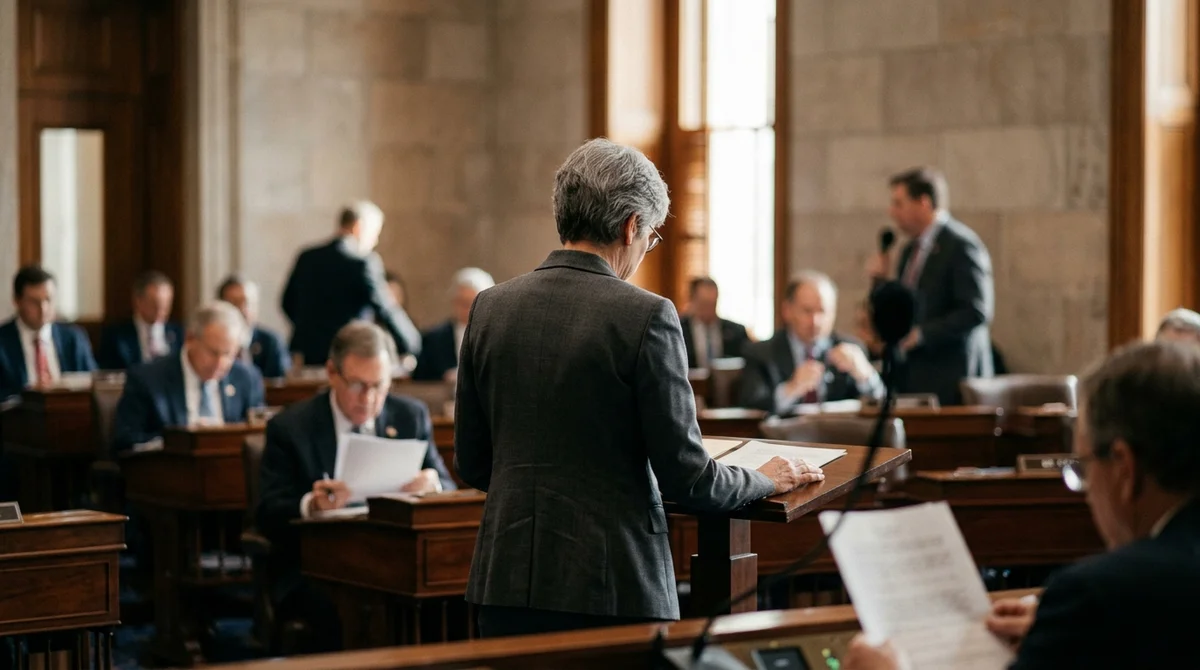
The US Senate unanimously approved legislation that could provide people whose images were used to create sexually explicit deepfakes without their consent with a new way to protect their rights. This is the Disrupt Explicit Forged Images and Non-Consensual Edits Act (DEFIANCE Act), which will allow victims to sue those who created these images in order to obtain compensation for the damage caused.
The adoption of this law is an important step in combating the spread of deepfakes and protecting individual rights in the digital environment. Deepfakes created using artificial intelligence technologies are becoming increasingly realistic and can cause serious harm to the reputation and mental health of victims. Existing laws often prove insufficient to effectively combat this phenomenon, so the adoption of the DEFIANCE Act is timely and necessary. This law complements the Take It Down Act, which criminalizes the distribution of intimate images created without consent and requires social networks to promptly remove such content.
The DEFIANCE Act creates a mechanism of civil liability for deepfake creators. This means that victims will be able to recover monetary compensation from them for moral damage, lost profits, and other damages resulting from the distribution of deepfakes. It is important to note that the bill concerns only those cases where images were created without the consent of the person depicted in them. This means that it does not extend to cases where a person gave consent to the creation of the image, even if it was subsequently misused.
The adoption of the DEFIANCE Act has important implications for the artificial intelligence industry and social networks. On one hand, this could encourage AI technology developers to create more effective methods for detecting and preventing the creation of deepfakes. On the other hand, social networks will be required to more actively combat the spread of deepfakes on their platforms, which may require them to invest in new technologies and resources.
For users, this means enhanced protection against unlawful use of their images in the digital environment. They now have an additional tool to protect their rights and hold accountable those who abuse AI technologies. However, it is important to understand that the DEFIANCE Act is just one step in combating deepfakes. It is necessary to continue work on improving legislation and developing effective technical solutions for detecting and preventing the creation of deepfakes.
In conclusion, the adoption of the DEFIANCE Act is an important step in protecting individual rights in the era of digital technologies. This law creates a mechanism of civil liability for deepfake creators and requires social networks to more actively combat the spread of such content. However, to effectively combat this phenomenon, it is necessary to continue working on improving legislation and developing effective technical solutions.
Want to stop reading about AI and start using it?
AI News is a curated feed of AI/tech news. Hamidun Academy teaches you to use AI systematically in your work.
The AI world, distilled — once a week
Seven stories that actually mattered, hand-picked. No noise, no reposts, no press releases.
Done! Check your inbox for a confirmation.