США встраиваются в азиатские цепи поставок для суверенности в AI-индустрии
США активно встраиваются в азиатские цепи поставок критических компонентов для AI. Это стратегический ход для обеспечения независимости от китайских поставщиков
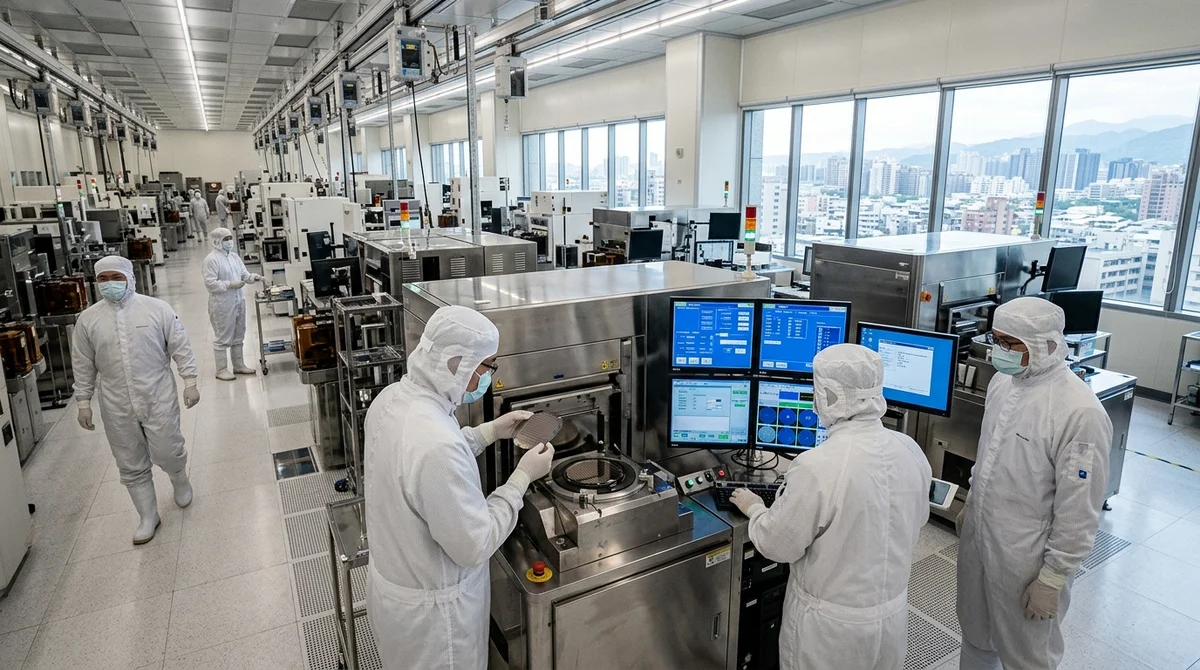
Despite the Beijing summit and diplomatic attempts by the USA and China to find common ground, the American administration is not freezing the race for AI dominance. On the contrary, the United States is deepening its embedding into Asian supply chains of critical components—chips, semiconductors, rare earths.
Sovereignty Through Partnerships
The USA understands a simple truth: in the 21st century, the AI race is won not only through algorithms, but through control of hardware. A chip is the language everyone speaks. That's why the States choose not isolation, but embedding into global networks. Embedding, however, does not mean dependence. The USA is actively building deep partnerships with key Asian players—South Korea, Taiwan, Japan. They don't just buy, but create joint ecosystems for manufacturing, R&D, and innovation. This is a long-term strategy to bypass Chinese competitors through strengthening allies.
USA's Asian Partners
First and foremost, this concerns three pillars:
- South Korea (Samsung, SK Hynix) — leaders in memory production and advanced processes, powerful industrial base
- Taiwan (TSMC) — 54% of global chip manufacturing market, absolute leader in advanced technology nodes
- Japan — equipment, rare materials, precision components from Sony, Canon, Mitsubishi
With each partner, the USA creates joint projects: factory expansion, synchronization of standards, mutual protection of intellectual property. Investments go into capacities that will be controlled by the West and protected from Chinese company penetration. The goal is single: break critical links in the chain with Beijing and make it impenetrable to competitors.
Diplomatic Facade
Officially, the USA and China discuss "rules of the game" in AI at the Beijing summit—risks, ethics, safety. Pleasant words, declarations of peaceful coexistence. But these words mask reality: while negotiations are happening, a quiet war for supply chains is taking place. The USA is embedding into Asia, China is accelerating its own processor development (Huawei HiSilicon, SMIC). Both are preparing so that at the moment of conflict, they will be independent. Diplomacy is a maneuver, not a truce.
"Independence in critical technologies is not a choice, but a matter of national security," strategists in
Washington believe.
Risks and Uncertainty
The embedding strategy is not without risks. First, Taiwan remains a geopolitical volcano—conflict could erupt at any moment. Second, the USA's Asian allies themselves seek balance between the West and Beijing: South Korea trades with China, Japan is economically dependent on it. Third, technologies change rapidly, and today's cutting-edge chip may become obsolete tomorrow. But there is no alternative. Complete isolation doesn't work, complete openness is too risky. Embedding through allies looks like the most realistic compromise.
What This Means
The AI race is transforming from a technological into a geopolitical struggle for control over materials, manufacturing, and standards. Companies that rely on open global supply chains risk becoming hostages to politics. For investors and startups, this translates into a concrete threat: choose partners not only by price and quality, but by their position in the global architecture of power. Today you're a developer on TSMC base, tomorrow you're dependent on American policy toward Taiwan.