US and Philippines Speed Up Development of 4,000-Acre AI Hub in Asia
The US and the Philippines have started developing an AI and logistics hub in Southeast Asia that has no precedent in the region and will cover more than 4000 acres. A senior US government official said the project is moving "very, very fast." The initiative aims to build local technology clusters, attract American investors over the long term and reshape the region's global supply chains.
AI-processed from Bloomberg Tech; edited by Hamidun News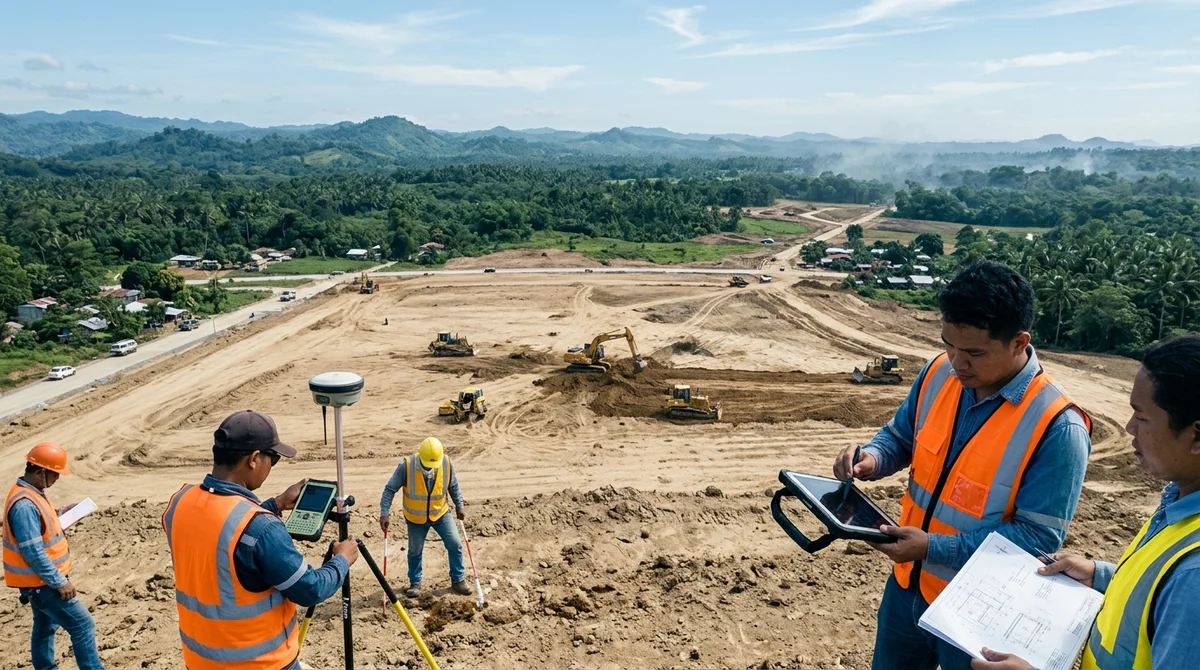
The US and the Philippines are launching an unprecedented project to build a major artificial intelligence hub and manufacturing supply chain on 4000 acres of land in Southeast Asia. According to a senior US government official, the initiative is moving "very, very fast" and is becoming central to long-term US strategy in the region.
Scale and architecture of the project
This is not an ordinary office park or research center. It is an integrated ecosystem that combines AI development, manufacturing, logistics and workforce training. The 4000-acre site will house R&D laboratories, manufacturing complexes, workforce retraining centers, office buildings and residential districts for the specialists it draws in.
Several factors explain the choice of the Philippines: a young, technically educated population (median age around 25), an already developed IT outsourcing sector with experience serving American clients, a geostrategic position at the center of Southeast Asia, and proximity to key trade routes.
Protecting American investment
The central element of the initiative is a legal and economic environment that guarantees long-term protection for the investments of American corporations. Washington is working with Manila on special investment statuses, tax incentives, guarantees against expropriation and other mechanisms to make the project attractive to large-scale American capital. This is part of a broader strategy to strengthen American economic influence in Asia, where most of the world's economic growth is taking place and where the US is in intense competition with China for dominance in artificial intelligence.
Geostrategic benefits
The project carries several layers of strategic value for the US. First, it diversifies AI production and development outside American territory, which reduces risk and makes it possible to attract global talent. Second, it strengthens ties with a key Asian ally amid competition with China. Third, it builds more resilient global supply chains that are not concentrated in one country or region but spread across friendly jurisdictions.
- Attracting major American tech companies (Microsoft, Google, Meta, OpenAI)
- Creating tens of thousands of high-paying jobs in the IT sector
- Developing a regional startup and innovation ecosystem
- Diversifying manufacturing and R&D risks outside the US
- Strengthening a long-term alliance with an ally in Asia
What this means
The initiative signals a shift in high-tech development strategy. Rather than concentrating everything in Silicon Valley and at home, the US is moving more development and manufacturing to friendly countries. This lets it strengthen its influence, attract talent and hedge against a range of risks at the same time.
For the Philippines, it is a historic moment: a chance to transform its economy and become a true Asian hub of technological innovation.
- Nov 1, 2026Local models lose to Opus and Codex: 0.21 on a MacBook versus 1.00 for Codex
- Nov 1, 2026Kimi scores 96.2% on a 1C database analytics test and emerges as a fallback if Claude access is blocked
- Nov 1, 2026OpenAI Rewrites GPT Behavior Rules: Five Values and a Chain of Command
- Nov 1, 2026Google admits AI Mode cuts search revenue, shares fall 15%
Key Questions Answered
What are the key details on Scale and architecture of the project?
This is not an ordinary office park or research center. It is an integrated ecosystem that combines AI development, manufacturing, logistics and workforce training. The 4000-acre site will house R&D laboratories, manufacturing complexes, workforce retraining centers, office buildings and residential districts for the specialists it draws in. Several factors explain the choice of the Philippines: a young, technically educated population (median age around 25), an already developed IT outsourcing sector with experience serving American clients, a geostrategic position at the
What are the key details on Protecting American investment?
The central element of the initiative is a legal and economic environment that guarantees long-term protection for the investments of American corporations. Washington is working with Manila on special investment statuses, tax incentives, guarantees against expropriation and other mechanisms to make the project attractive to large-scale American capital. This is part of a broader strategy to strengthen American economic influence in Asia, where most of the world's economic growth is taking place and where the US is in intense competition with China for dominance in artifici
What are the key details on Geostrategic benefits?
The project carries several layers of strategic value for the US. First, it diversifies AI production and development outside American territory, which reduces risk and makes it possible to attract global talent. Second, it strengthens ties with a key Asian ally amid competition with China. Third, it builds more resilient global supply chains that are not concentrated in one country or region but spread across friendly jurisdictions. Attracting major American tech companies (Microsoft, Google, Meta, OpenAI) Creating tens of thousands of high-paying jobs in the IT sector Dev
Ship AI Faster with Founders, Engineers & Weekly Architecture Reviews
Inside Vibe Club (hamidun.com/club) — weekly live masterminds with Zhemal Khamidun, Tech Radar, full LMS access, and 370+ production Claude Code skills.
The AI world, distilled — once a week
Seven stories that actually mattered, hand-picked. No noise, no reposts, no press releases.
Done! Check your inbox for a confirmation.