Маск проиграл суд против Альтмана и OpenAI из-за истечения сроков
Суд в Калифорнии отклонил иск Маска против OpenAI и Альтмана: девять присяжных единогласно решили, что исковое заявление подано слишком поздно. Маск требовал ве
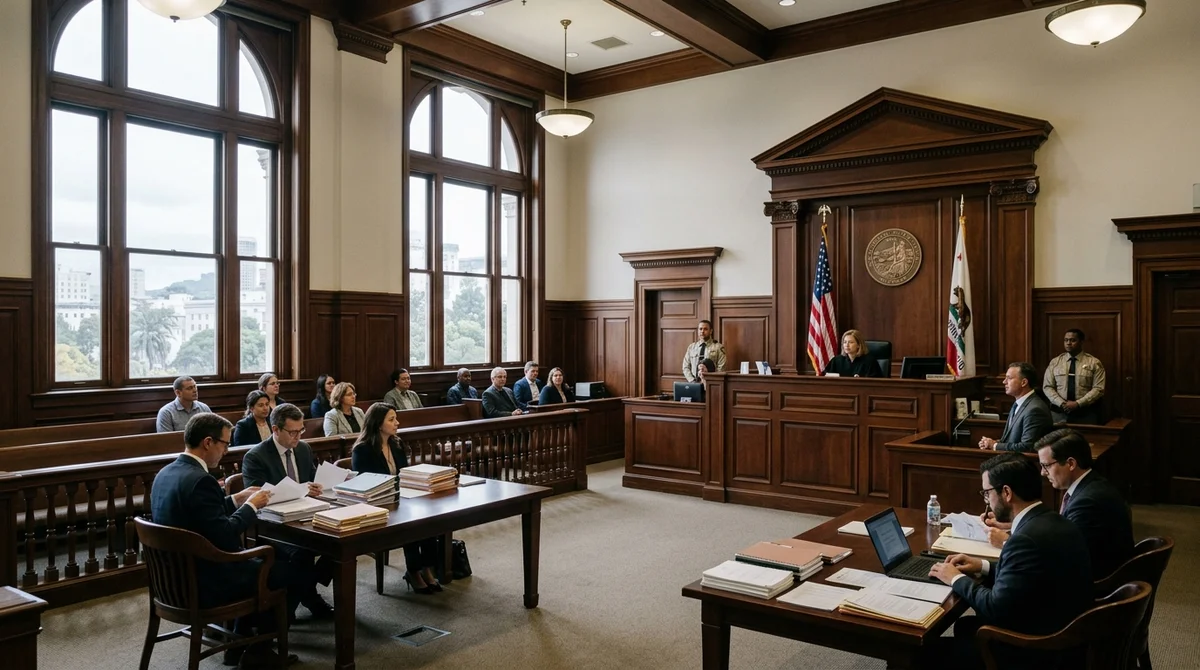
California court dismissed Elon Musk's lawsuit against OpenAI and the company's co-founders. Nine jurors unanimously decided: the complaint was filed too late, and the statute of limitations does not allow the case to proceed on the merits.
Unanimous jury decision
The jurors concluded that Musk violated the statutory deadline for filing a lawsuit. In American litigation, this is called statute of limitations — a time restriction on filing lawsuits. The court cannot review cases after this period expires, regardless of their merits. Musk requested case review and damages, but the fact of being late stopped the legal process at the initial stage.
History of the conflict
Musk wanted to force OpenAI to return to its status as a non-profit organization. Here's what he was challenging in court:
- Conversion of OpenAI into a commercial structure with profit rights
- Multi-billion dollar partnership with Microsoft
- Departure from the original mission of developing safe AI
- Management decisions that violated, in his view, the original agreements
Musk co-founded OpenAI in 2015 together with Altman. In 2018, he stepped away from the company. Years later, when OpenAI became a global leader in AI and received massive funding, Musk sued, demanding restoration of non-profit status.
Why statutes of limitations matter
The jurors did not deliberate whether Musk was right. They established a factual fact: the lawsuit was filed too late. The statute of limitations in the USA is a fundamental principle of justice. Lawsuits have time frames (usually 4–6 years, depending on the type of claim) so that people don't hang in legal uncertainty for years and so that courts aren't overwhelmed with archaic cases. Musk waited several years after the events that displeased him, and this became a critical factor.
What this means
Musk's direct legal assault on OpenAI and Altman is closed. The court did not rule on who was right on the merits. It simply means that Musk can no longer challenge the OpenAI and Microsoft partnership in court — at least not in this case. In parallel, he is developing his own AI through xAI, but the conflict with his former company in court has come to an end.