Маск проиграл суд OpenAI: присяжные приняли решение за два часа
Жюри из девяти человек вынесло решение в пользу OpenAI в судебном разбирательстве с Маском. На обсуждение потребовалось только два часа. Судья немедленно утверд
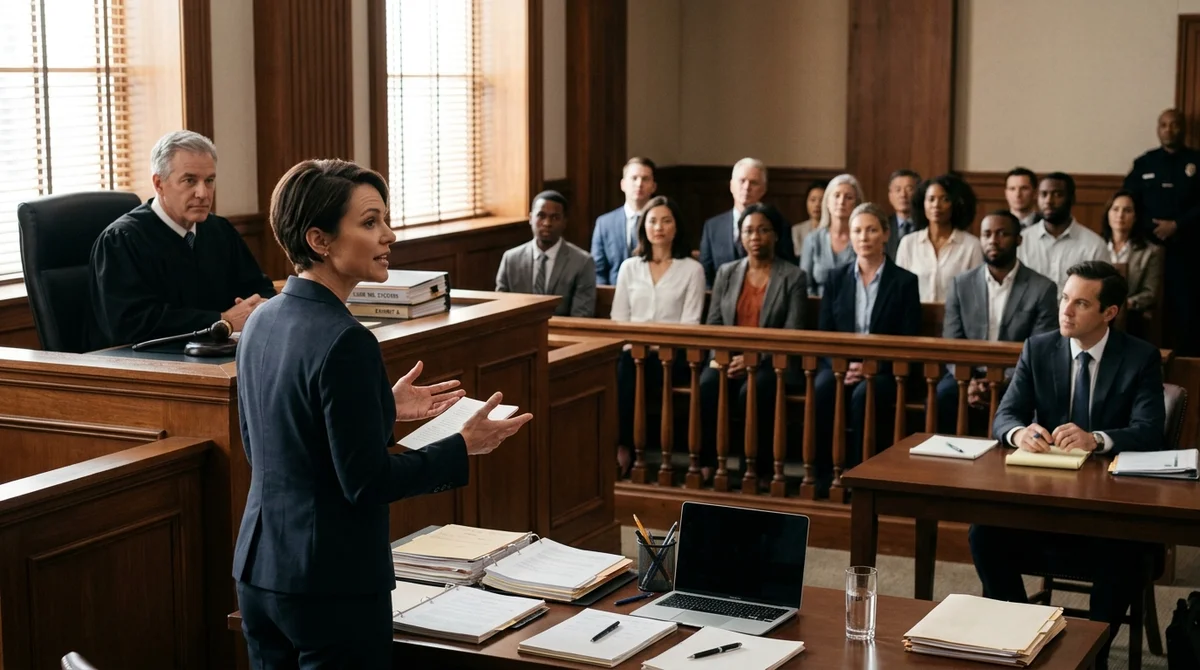
Jurors recognized OpenAI as the winner in the lawsuit against Musk. It took only two hours to deliver the verdict. The judge immediately affirmed the jury's decision as the final judgment.
The
History of the Dispute Between Musk and OpenAI Musk founded OpenAI in 2015 as a nonprofit organization with an ambitious mission — to develop safe artificial intelligence in the interests of all humanity, not for the profit of individual shareholders. He personally invested substantial amounts in the startup and attracted funding from other influential investors. Initially, it seemed like it would be an open project to develop AI models accessible to everyone. However, in 2018, Musk resigned from the board of directors, officially citing a conflict of interest with Tesla, the company where he focused on developing autonomous systems. Reportedly, there were also disagreements over OpenAI's development strategy.
How OpenAI Changed After Musk's departure, the company began to transform.
In 2023, OpenAI created a commercial division (OpenAI LP) to attract investment in developing advanced models — GPT-4, GPT-5, and others. This was a necessary step: modern AI requires serious financial investment. Developing new models alone costs billions of dollars. Musk viewed this transformation as a betrayal. He believed that a nonprofit organization with a noble mission had turned into an ordinary corporation focused on investor profits.
Allegations in
Court Musk filed a lawsuit, making serious claims against OpenAI: The company violated the fundamental condition of its establishment by becoming a commercial entity OpenAI deviated from its original mission of developing AI in the interests of humanity * Demand: either restore the company's status as a pure nonprofit organization or pay compensation for his investments On the surface, this looked like a serious legal case that could drag on for years of litigation and appeals. Large technology corporations often defend themselves in court for months. But the jurors sided with a completely different party.
Quick Jury Decision The verdict in favor of OpenAI was delivered in just two hours.
This speed says much about the level of confidence the jurors had. Either the evidence was so compelling that there was no doubt, or the legal position was so clear and obvious that discussion did not require lengthy deliberation. The jurors concluded that: The transformation of OpenAI's structure was completely lawful The company had the right to create commercial divisions * Musk lost control and legal claims after leaving the board of directors ## What This Means for the Industry This verdict establishes an important precedent.
It shows that even the founder of a major company cannot use the courts to return it to its original form if it has changed on lawful grounds. For Silicon Valley, this is a critically important decision. It gives companies confidence that they can evolve, change business models, and transform their status without constantly fearing lawsuits from early founders.