Meta to lay off 8,000 employees for $145 billion in AI investment
Meta is beginning its largest workforce reduction in three years. Layoffs of 8,000 people and the cancellation of 6,000 open positions are scheduled for May 20.
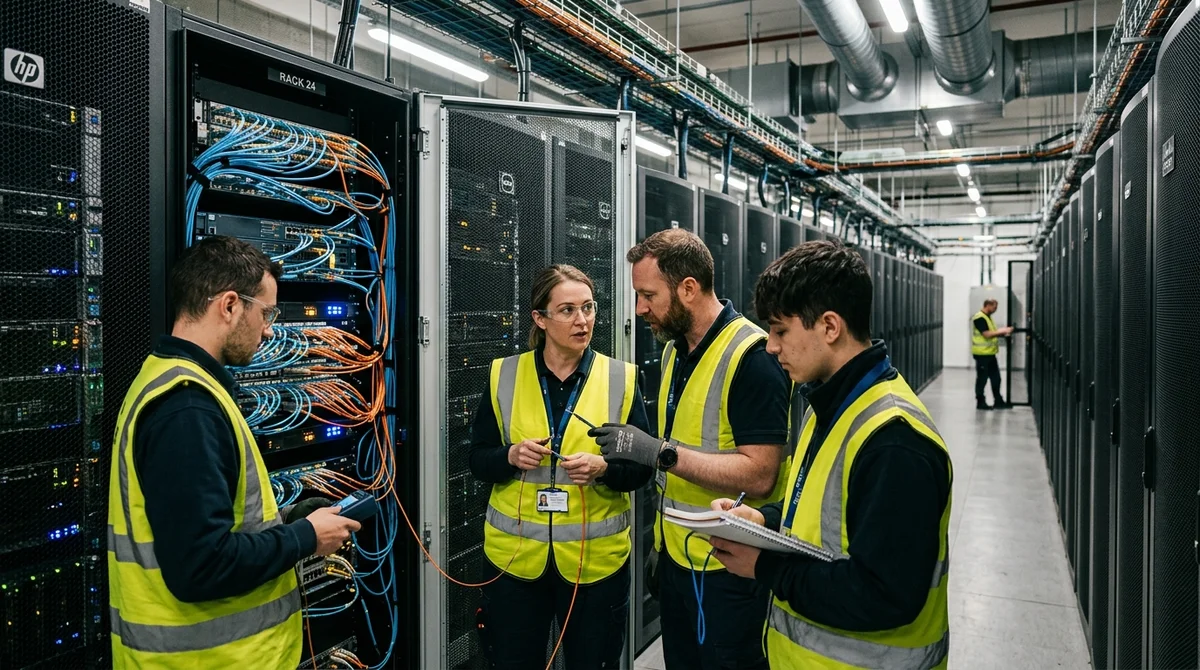
Meta begins the largest workforce reduction since 2023: on May 20, layoffs of 8,000 people and cancellation of 6,000 open positions are scheduled.
Scale of Layoffs
This is the largest single-round reduction in Meta's history since the restructuring three years ago. The wave will affect employees across all company divisions — from marketing and design to internal support services and coordination. The company openly refuses roles it considers less critical to artificial intelligence and AI infrastructure development. Against the backdrop of mass layoffs, Meta paradoxically continues to actively hire specialists in AI, machine learning, and data engineering — just in different positions and for focused projects.
AI Investment — $145 Billion vs. People
Simultaneously with the layoffs, Meta announces record profits and plans to invest $145 billion in AI infrastructure development over the coming years. This is a striking and demonstrative choice: the company literally redistributes money from one pocket (employee salaries) to another (servers, chips, and data center electricity). Zuckerberg's logic is simple and harsh: computational resources and neural networks are more important for the future than a growing workforce of generalist developers that the company hired over the last five years.
- Expenses for purchasing and deploying AI chips and high-performance servers
- Development of proprietary processors (Trainium for training, Inferentia for inference)
- Construction and expansion of data centers worldwide, including new regions
- Integration of artificial intelligence into Facebook, Instagram, WhatsApp, and other products
- Direct competition with OpenAI, Google, Microsoft in the race for leadership in LLM and generative AI
Why the Upheaval Right Now
Meta is not cutting workforce for the first time, but the scale of this round reflects a new reality in the tech industry: the company is completely reorienting toward an AI-first approach. The years when Facebook could develop through traditional means (hire engineers, ship features, users grow on their own) are over. Zuckerberg believes that the speed of AI model development and deployment will become the main competitive advantage, and for this you need cutting-edge infrastructure, not a large staff of standard developers. Now everything depends on who first creates the most powerful AI infrastructure and gains an advantage in training and deployment speed.
Signal to the Industry and Investors
Meta's workforce reductions against the backdrop of record profits — this is a powerful and clear signal to the entire tech industry and investors. The company demonstrates it is willing to sacrifice current workforce size and familiar organizational structure in favor of future possibilities. This could inspire other major players toward similar reorientation, especially if Meta truly gains practical advantage in AI performance over the next 1-2 years.
What This Means
Zuckerberg is fully betting on the idea that the future belongs to automation and artificial intelligence, not traditional scaling of developer headcount. This is not merely a budget cut, but a fundamental reassessment of how tech companies are built in the era of large language models. The outcome of this experiment will show whether the "bet on machines" strategy can be more effective than the traditional model focused on human capital and team development.
*Meta is recognized as an extremist organization and is prohibited in the Russian Federation.