Musk wanted to buy control of OpenAI with a Tesla board seat
Court filings show that in 2017 Elon Musk was actively trying to gain control of OpenAI and was willing to use any means. He offered Sam Altman a seat on Tesla’s board of directors in exchange for control of the startup. Musk did not even object to a commercial structure, as long as the company ended up under his influence.
AI-processed from 3DNews AI; edited by Hamidun News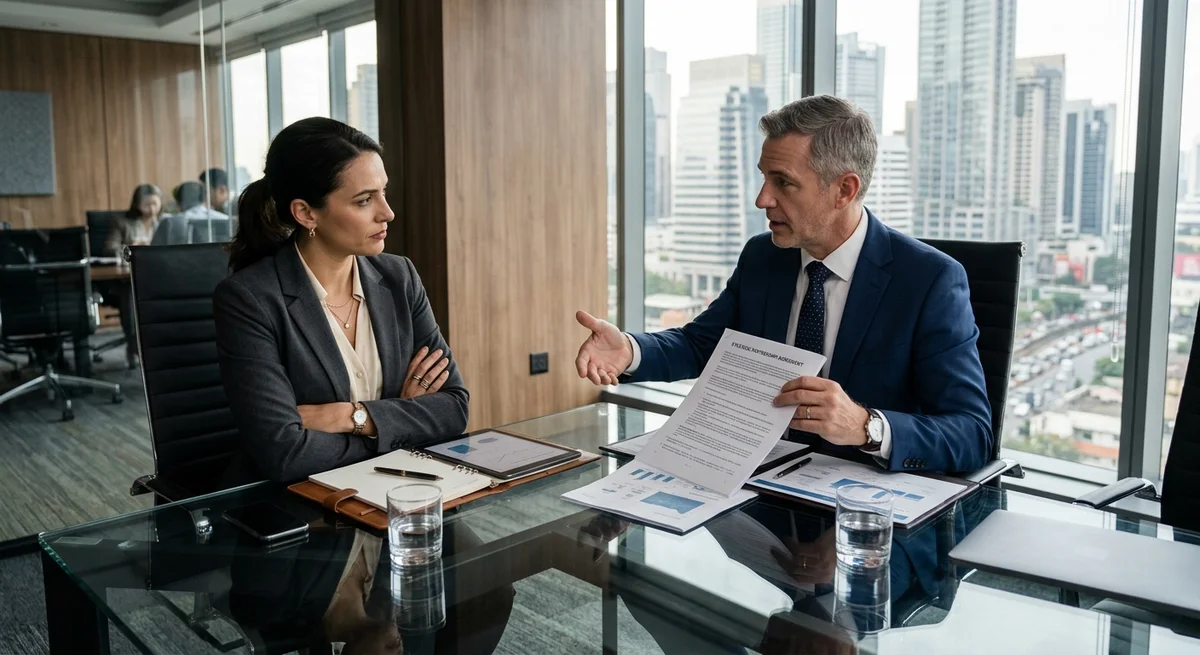
Musk wanted to seize control over OpenAI with a Tesla board seat
During court proceedings this week, new details emerged about how in 2017 Elon Musk actively tried to gain control over OpenAI and bring Sam Altman to his side.
Musk wanted to subordinate OpenAI
In 2017, Elon Musk was a co-founder of OpenAI, but his actual role in the company was limited and unclear. Court documents testify that Musk expected much greater control and influence over strategic decisions. He was even willing to accept the idea of creating a commercial structure for OpenAI — something that would later happen with the emergence of OpenAI Inc. in 2023. The idea of a commercial model was displeasing to Musk only if it were outside his control. Musk's main condition was crystal clear: the company had to fall under his influence. This meant that he was to determine the fate of artificial intelligence technology. Musk believed that OpenAI was too important a project to remain independent.
Offer of a Tesla board seat
The most intriguing element of the disclosed documents is Musk's proposal to Sam Altman. Musk was planning to offer him a seat on Tesla's board of directors as a tool to gain control over OpenAI. This was not merely a gesture, but a calculated strategy: a position on the board of a leading company could be seductive to Altman. Musk calculated that such an offer would compel Altman to agree to his conditions. A seat at Tesla is not only status, but also access to the company's resources, influence over its direction of development, and financial benefits. By Musk's calculations, Altman should not have refused.
"It was a classic move: you give me what I need, and I give you a seat
on the board of directors," — as witnesses later described meetings between them.
Why it didn't work
The history of disappointment began back then. In 2018, Musk was forced to leave OpenAI's board of directors supposedly due to a conflict of interest with Tesla. In reality, the conflict was in the vision of the future: Musk did not support the idea of a commercial development model, which became the only way for the company to attract the necessary investment capital. Today, Musk openly criticizes OpenAI for commercialization and cooperation with Microsoft. The irony is that it was Musk himself in 2017 who was willing to agree to a commercial structure — provided that it would be under his management.
- Musk demanded complete control over OpenAI
- Altman refused to submit to Musk's conditions
- Musk left the board of directors in 2018
- OpenAI developed without his influence and became a global leader in AI
- Musk now criticizes the choice that he himself proposed, but only for himself
What this means
Court documents once again confirm: even technology giants cannot dictate the conditions for the development of artificial intelligence. Musk's attempt was ambitious, but history has shown that the market develops independently of the will of individual personalities. OpenAI became successful because it retained independence from Musk's influence. The company developed into a world leader in generative artificial intelligence, launching ChatGPT and building a billion-dollar business. Musk was left with criticism and his xAI, trying to catch up.
Need AI working inside your business — not just in your newsfeed?
I build production AI for companies — custom CRM, internal tools, autonomous agents, workflow automation. Owned by you, shaped to your process, no per-seat tax. Built by Zhemal Khamidun, CPO of AlpinaGPT (AI platform, 6,000+ users).
The AI world, distilled — once a week
Seven stories that actually mattered, hand-picked. No noise, no reposts, no press releases.
Done! Check your inbox for a confirmation.