BadCo.AI on why car dealerships need AI orchestration instead of disconnected tools
BadCo.AI proposes a strategic shift for car dealerships: forget disconnected AI tools and move to orchestration — a unified system that manages the entire buyer journey. From personalized search to test drives, financing, and service.
AI-processed from TNW; edited by Hamidun News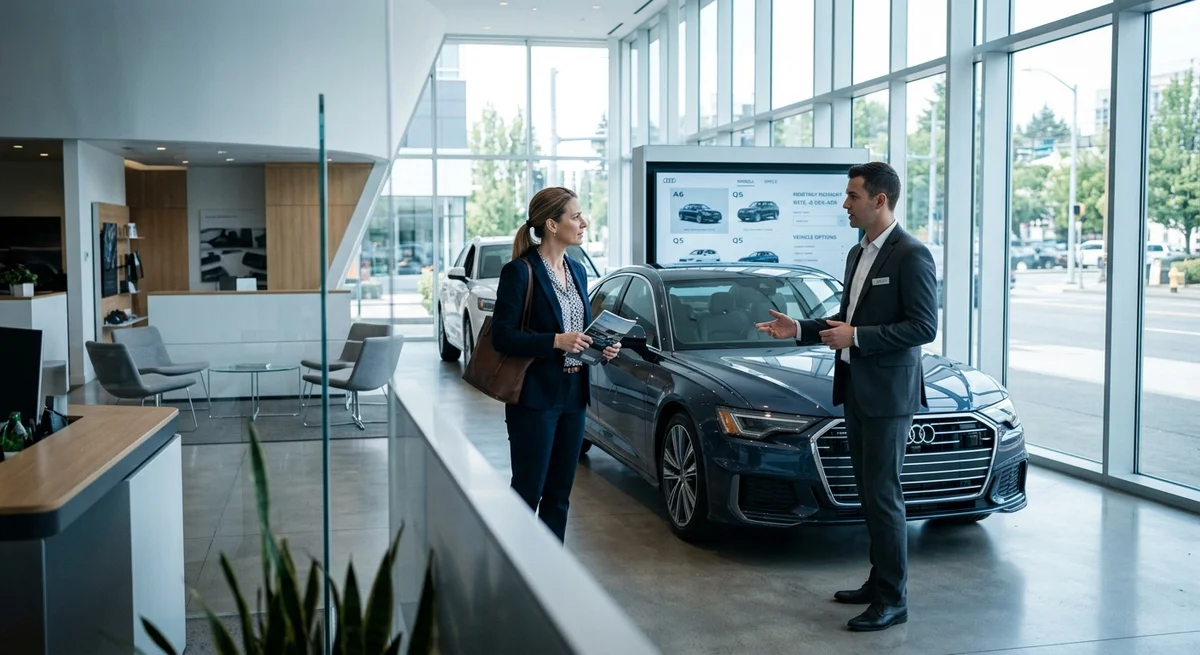
BadCo.AI argues that the future of automotive retail is determined not by a set of separate AI tools, but by orchestration systems that connect the entire customer journey into a single flow.
What is AI Orchestration
AI orchestration is not isolated bots and algorithms working in isolation, but a platform that coordinates the work of all components: CRM systems, recommendation algorithms, financing tools, document management, inventory management. The system sees the customer as a whole and adapts each stage of interaction to their needs and context.
BadCo.AI notes that today many dealerships use a fragmented technology stack — one tool selects a car by parameters, another calculates credit, a third manages test drive bookings. There is no connection between them, and customer information is not accumulated in a single repository. The result: a customer can tell a chatbot they're looking for a sedan under 2 million rubles, while the corresponding manager in the CRM will recommend SUVs in a different price category.
How Orchestration Will Transform Dealerships
Imagine the customer journey in an "orchestrated" dealership: a customer comes to the website, and the system immediately determines their preferences based on past visits, search history, and financing history. It recommends not just a list of cars, but the most relevant models with personalized loan terms, test drive schedule, and service information. Here's what changes in detail:
- Vehicle recommendations change in real time, taking into account requests, clicks, and the customer's CRM status
- Financing terms adapt to credit history, income, and family status — without new forms
- Test drive booking is integrated into the flow — the system selects available slots and the right manager
- After purchase, the system transitions the customer to a service track, offering maintenance, insurance, and trade-in options
- The history of all interactions is visible in a single interface — for both the customer and dealership staff
This changes the internal logic of the dealership. Instead of managers manually linking data from different systems, the orchestrating platform does this automatically, giving teams a complete picture of the customer in real time.
Why This is Critical Now
Consumers expect from automotive retail the same seamless experience as from e-commerce. They don't want to fill out a form in a chatbot, then repeat the information to a manager, then again to the bank. They want the system to remember their budget and preferences and work without friction. Orchestration allows dealerships to offer a unified path with minimal friction and retain customers longer. If a dealership sees that a customer was looking at electric cars but hesitated due to price, the system can offer more favorable credit or a lease option at the right moment.
"The ecosystem of automotive retail is becoming increasingly connected, and AI helps synchronize it at the speed of real consumer needs," —
BadCo.AI emphasizes its approach.
What This Means for Dealerships and the Market
AI orchestration is a transition from separate "tools" to holistic "ecosystems." Dealerships that implement such systems will be able to offer a faster and more personalized customer journey, reduce friction at each stage, and retain customers for the long term: service, insurance, trade-in, repeat purchase. For startups, this is a signal that the market is ready to pay for integrated platforms rather than point solutions. For automakers and dealers — this is a warning: if you don't synchronize your technology stack, you could lose customers to online competitors offering exactly the same seamless experience.
Key Questions Answered
What is AI Orchestration?
AI orchestration is not isolated bots and algorithms working in isolation, but a platform that coordinates the work of all components: CRM systems, recommendation algorithms, financing tools, document management, inventory management. The system sees the customer as a whole and adapts each stage of interaction to their needs and context. BadCo.AI notes that today many dealerships use a fragmented technology stack — one tool selects a car by parameters, another calculates credit, a third manages test drive bookings. There is no connection between them, and customer informati
How Orchestration Will Transform Dealerships?
Imagine the customer journey in an "orchestrated" dealership: a customer comes to the website, and the system immediately determines their preferences based on past visits, search history, and financing history. It recommends not just a list of cars, but the most relevant models with personalized loan terms, test drive schedule, and service information. Here's what changes in detail: Vehicle recommendations change in real time, taking into account requests, clicks, and the customer's CRM status Financing terms adapt to credit history, income, and family status — without new
Why This is Critical Now?
Consumers expect from automotive retail the same seamless experience as from e-commerce. They don't want to fill out a form in a chatbot, then repeat the information to a manager, then again to the bank. They want the system to remember their budget and preferences and work without friction. Orchestration allows dealerships to offer a unified path with minimal friction and retain customers longer. If a dealership sees that a customer was looking at electric cars but hesitated due to price, the system can offer more favorable credit or a lease option at the right moment. "Th
Build & Ship Production AI Apps with Vibe Coding
Join Zhemal Khamidun's hands-on Vibe Coding Intensive at hamidun.com/vibecoding — master Claude Code, Cursor, and autonomous agentic workflows.
The AI world, distilled — once a week
Seven stories that actually mattered, hand-picked. No noise, no reposts, no press releases.
Done! Check your inbox for a confirmation.