Bandcamp becomes first to ban AI music: protecting artists or populism?
Bandcamp has announced a ban on AI music on its platform, becoming the first major platform to do so. Using AI to create music or to imitate other artists is prohibited. The decision comes amid growing artist discontent with AI. The ban reflects mounting concern among musicians, and the reaction in the music community has been mixed.
AI-processed from The Verge; edited by Hamidun News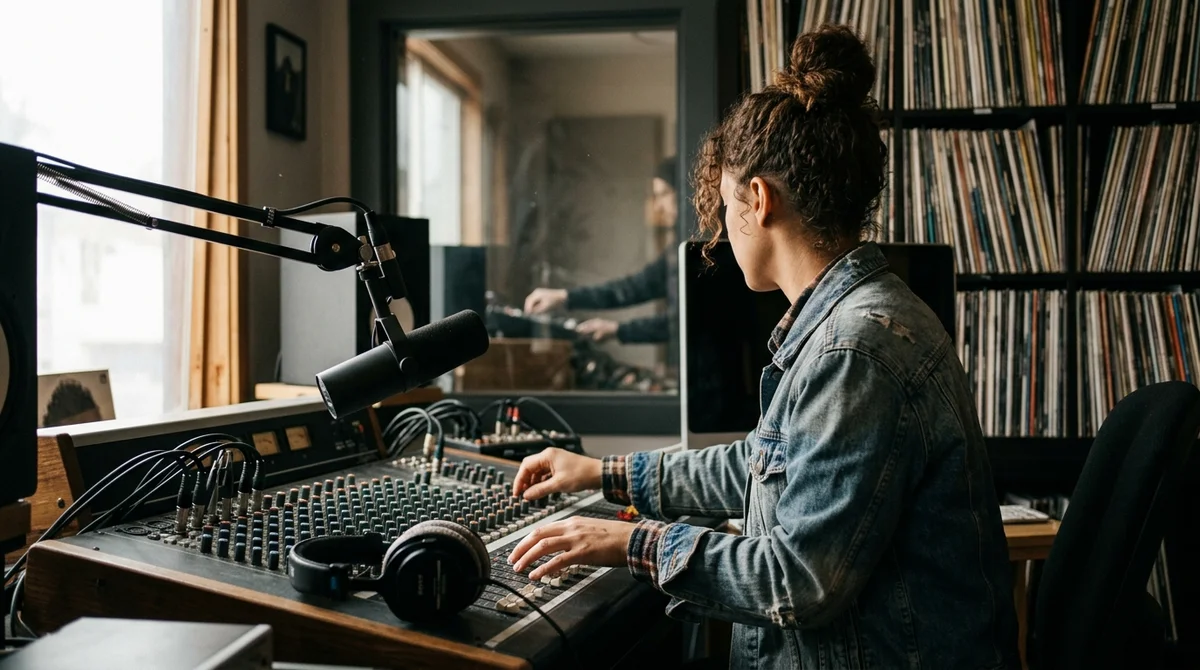
Bandcamp, known for its support of independent artists, has taken a bold step, becoming the first major music platform to fully ban content created by artificial intelligence. In an official statement on Reddit, the company stressed that music and audio "generated wholly or in substantial part by AI" will not be allowed on the platform and will be removed. The move has drawn a mixed reaction in the music community, splitting it between those who welcome the protection of copyright and creative freedom and those who see AI as a new tool for experimentation and innovation.
Bandcamp's decision responds to growing concern among musicians that their work is being used to train AI models, which then generate content imitating their style. Many artists fear that the spread of AI music will devalue their work and cut their income. Spotify previously introduced similar rules restricting the use of AI to imitate other artists, but Bandcamp went further by banning AI music outright.
Bandcamp's ban covers not only music generated entirely by AI but also content in which AI was used to a substantial degree. This means that even if a musician used AI to create individual elements of a composition, such as drum parts or synthesizer sounds, their track may be removed from the platform. Bandcamp also prohibits using AI to imitate other artists or musical styles, a rule aimed at preventing deepfakes and content that misleads listeners.
Bandcamp's decision has serious implications for the entire music industry. On one hand, it could set an example for other platforms and help strengthen the protection of musicians' copyright and creative freedom. On the other, it could limit room for experimentation and innovation in music. Many musicians use AI to create new sounds, instruments and compositions, and Bandcamp's ban may take that option away from them.
Ultimately, the future of AI in music depends on how a balance is found between protecting copyright and encouraging innovation. Bandcamp's decision is an important step in that direction, but it also raises many questions that remain unanswered. Will other platforms be able to follow suit? How will a "substantial degree" of AI use be defined? And how will the ban affect the development of the music industry as a whole?
Bandcamp has taken a clear stance in defense of artists, but the long-term consequences of the decision remain to be seen. It may be the start of a new era in the music industry, in which copyright and creative freedom are better protected than ever. Or it may be a temporary measure that will be revisited as technology evolves and views on the role of AI in music change. One thing is clear: the debate over AI in music is only beginning.
Test Frontier LLMs & Autonomous Agents in One Workspace
Run Claude Opus 5.5, GPT-6, Gemini 3.1, and DeepSeek side-by-side in Nomad AI (nomadnet.ai) — unified model routing, deep research, and multimodal workflows under one subscription.
The AI world, distilled — once a week
Seven stories that actually mattered, hand-picked. No noise, no reposts, no press releases.
Done! Check your inbox for a confirmation.