Chinese AI hardware suppliers struggle to keep up with demand due to component shortages
Chinese AI hardware suppliers are facing a serious problem: demand for their products far exceeds production capacity. Shortages of critical components are slow
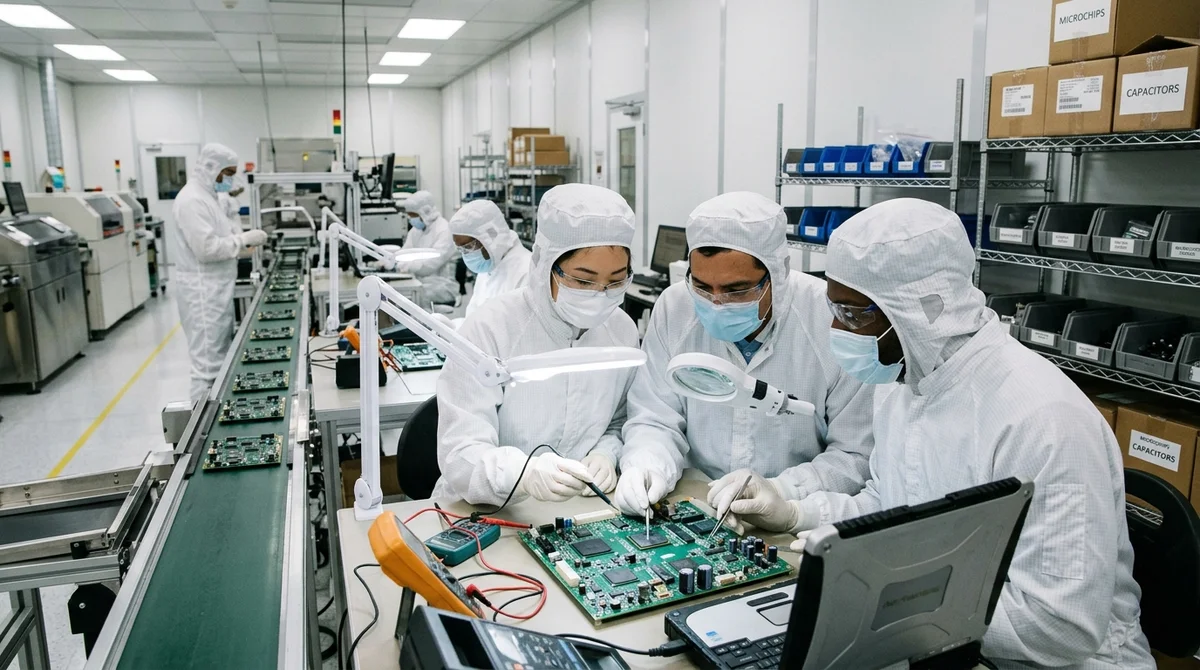
Chinese AI Equipment Suppliers Struggle to Meet Demand Amid Component Shortages
Chinese suppliers of AI equipment are facing a critical problem — demand for their products is growing faster than they can produce. A shortage of components has become a bottleneck in the supply chain, affecting both the local and global market.
Why
Demand Surged The accelerating development of AI technologies has led to a surge in demand for specialized equipment. Companies worldwide are investing in building data centers and upgrading infrastructure to support machine learning models. Chinese manufacturers, both local and subsidiaries of international companies, have become the first line of supply for the Asian market. But production capacity is lagging. Critical components—from high-performance processors to expensive cooling systems—are experiencing acute shortages. This is not simply a delay in deliveries: it is about bottlenecks that are freezing the entire production pipeline.
Chain Reaction When one component is in short supply, the entire project stalls.
Manufacturers either have to wait or look for alternatives, which may be more expensive or less performant.
- Raw material and logistics costs are rising Lead times for finished systems are increasing 2-3 times over Prices for AI equipment are going up Startups and small companies are losing competitiveness International suppliers are switching to other manufacturers This situation creates not only economic pressure but also a geopolitical component. Export restrictions on critical technologies from some countries make it difficult to find alternatives.
Global
Effect Chinese suppliers serve customers throughout Asia, including India, Southeast Asia, and Eastern Europe. Delays in China mean delays for the entire region, affecting AI development plans in countries that depend on this supply chain.
"Manufacturers are beginning to reconsider supply strategies, diversifying suppliers and regions," say market analysts.
Companies that are able to are diversifying suppliers and manufacturing regions. This adds cost but reduces the risk of dependency on a single source.
What
It Means The shortage of AI equipment in China is a signal that the infrastructure underlying the global AI boom is still being built in a rush. Those who can ensure stable supplies gain a competitive advantage. For the rest of the market, it means that prices for AI systems will remain elevated and availability will be limited for several more years.