Chinese AI Hardware Suppliers Can't Keep Up With Demand Amid Component Shortages
Chinese AI hardware suppliers face an acute problem: demand for their products far outstrips their production capacity. Shortages of critical components are slowing output and pushing prices up. The impact will ripple across the entire Asian AI market.
AI-processed from Bloomberg Tech; edited by Hamidun News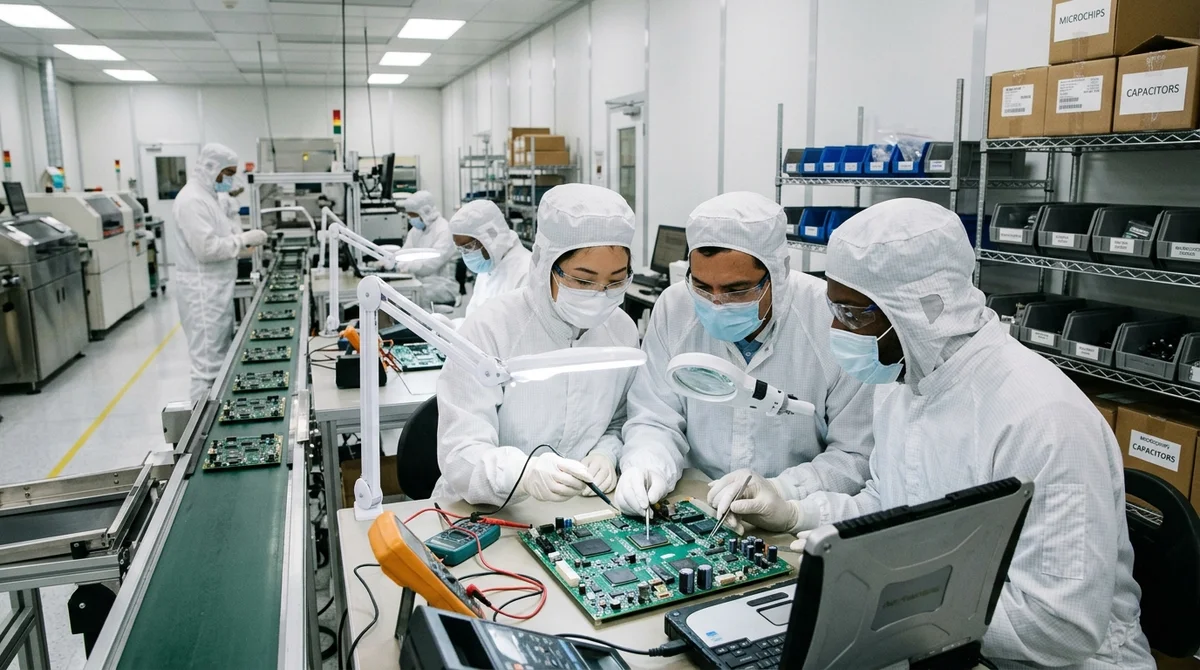
Chinese AI hardware suppliers face a critical problem: demand for their products is growing faster than they can produce them. Component shortages have become a supply chain bottleneck, affecting both the local and global markets.
Why demand took off
Rapid progress in AI has triggered a surge in demand for specialized hardware. Companies around the world are investing in new data centers and infrastructure upgrades to support machine learning models. Chinese manufacturers, both local firms and subsidiaries of international companies, have become the first line of supply for the Asian market.
But production capacity is lagging behind. Critical components, from high-performance processors to expensive cooling systems, are in acute shortage. The problem goes beyond delayed shipments: these bottlenecks freeze the entire production pipeline.
The chain reaction
When a single component is missing, the whole project stalls. Manufacturers either have to wait or look for alternatives that may be more expensive or deliver lower performance.
- Raw material and logistics costs are rising
- Delivery times for finished systems are growing 2-3 times longer
- AI hardware prices are going up
- Startups and small companies are losing competitiveness
- International suppliers are switching to other manufacturers
The situation creates economic pressure and adds a geostrategic dimension. Export restrictions on critical technologies imposed by some countries make it harder to find alternatives.
The global effect
Chinese suppliers serve customers across Asia, including India, Southeast Asia, and Eastern Europe. Delays in China mean delays for the entire region, affecting AI development plans in the countries that depend on this supply chain.
"Manufacturers are starting to rethink their supply strategies by
diversifying suppliers and regions," market analysts say.
Companies that can are diversifying their suppliers and production regions. This adds cost but reduces the risk of depending on a single source.
What this means
The AI hardware shortage in China signals that the infrastructure behind the global AI boom is still being built in a rush. Those who can secure stable supply gain a competitive advantage. For the rest of the market, AI system prices will stay elevated and availability will remain limited for several more years.
Key Questions Answered
Why demand took off?
Rapid progress in AI has triggered a surge in demand for specialized hardware. Companies around the world are investing in new data centers and infrastructure upgrades to support machine learning models. Chinese manufacturers, both local firms and subsidiaries of international companies, have become the first line of supply for the Asian market. But production capacity is lagging behind. Critical components, from high-performance processors to expensive cooling systems, are in acute shortage. The problem goes beyond delayed shipments: these bottlenecks freeze the entire pro
What are the key details on The chain reaction?
When a single component is missing, the whole project stalls. Manufacturers either have to wait or look for alternatives that may be more expensive or deliver lower performance. Raw material and logistics costs are rising Delivery times for finished systems are growing 2-3 times longer AI hardware prices are going up Startups and small companies are losing competitiveness International suppliers are switching to other manufacturers The situation creates economic pressure and adds a geostrategic dimension. Export restrictions on critical technologies imposed by some countrie
What are the key details on The global effect?
Chinese suppliers serve customers across Asia, including India, Southeast Asia, and Eastern Europe. Delays in China mean delays for the entire region, affecting AI development plans in the countries that depend on this supply chain. "Manufacturers are starting to rethink their supply strategies by diversifying suppliers and regions," market analysts say. Companies that can are diversifying their suppliers and production regions. This adds cost but reduces the risk of depending on a single source.
Ship AI Faster with Founders, Engineers & Weekly Architecture Reviews
Inside Vibe Club (hamidun.com/club) — weekly live masterminds with Zhemal Khamidun, Tech Radar, full LMS access, and 370+ production Claude Code skills.
The AI world, distilled — once a week
Seven stories that actually mattered, hand-picked. No noise, no reposts, no press releases.
Done! Check your inbox for a confirmation.